
24/7 Customer Support

Free returns

Same-day & Next-day Delivery

Quality Guaranteed
Download the APP
Categories
Navigating the world of premium Japanese sake can be a rewarding journey, and the name Dassai often stands out as a benchmark for quality. Produced by the innovative Asahi Shuzo brewery, Dassai has captured the attention of enthusiasts worldwide. However, with labels like Dassai 45, 39 and 23, it can be challenging to know where to start or which bottle is the right fit for your palate or occasion.
As a Joybuy Product Recommendation Officer, my role is to help you understand these distinctions. This guide is designed to demystify the numbers, explain the unique characteristics of each sake and help you confidently select the perfect bottle, whether you're looking to buy Dassai sake online for a special dinner, a thoughtful gift or simply to enjoy a moment of refined flavour.
Before we explore the specific bottles, understanding a few key terms will help you appreciate what makes Dassai Junmai Daiginjo sake so sought after.
Here are our recommendations from the Dassai collection, each offering a distinct experience.
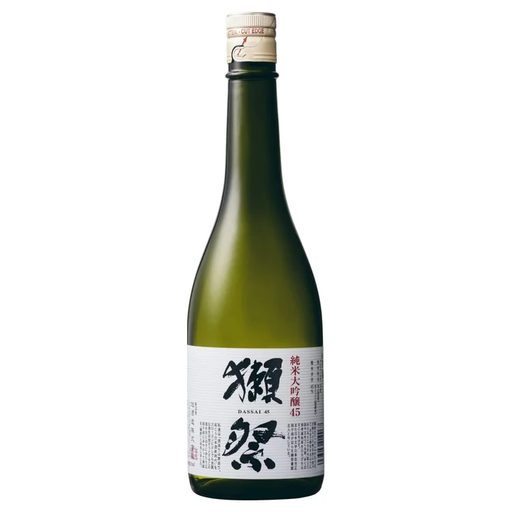
Why It Stands Out: Dassai 45 is often considered the gateway to the world of premium Dassai. With its Yamadanishiki rice polished to 45%, it delivers a beautifully balanced and accessible flavour profile. The aroma is fresh and inviting, with notes of white peach, Asian pear and a hint of cantaloupe. On the palate, it is remarkably smooth with a clean finish, showcasing the brewery's signature style of elegance and fruit-forward character.
Pros:
Who is it for? This is an ideal choice for those new to Junmai Daiginjo sake or anyone seeking a high-quality, reliable bottle for regular enjoyment. Its balanced nature makes it a fantastic companion for a wide range of dishes, from sashimi and grilled seafood to light stir-fries.
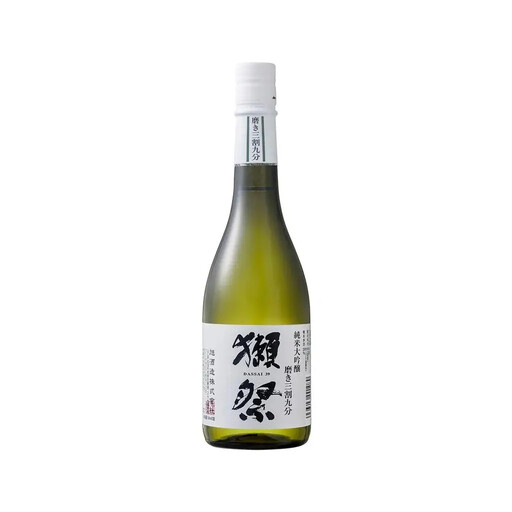
Why It Stands Out: As the polishing ratio drops to 39%, Dassai 39 reveals a greater level of refinement and aromatic complexity. It presents a more delicate and layered bouquet, with notes of white peach and pear complemented by subtle floral and citrus hints. The texture is exceptionally silky, and the flavour profile is a harmonious blend of bright fruit and gentle rice umami, leading to a crisp, lingering finish.
Pros:
Who is it for? Dassai 39 is for the sake drinker who appreciates nuance and is looking for a more sophisticated experience. It is an excellent choice for celebrating a small milestone or for a fine dining setting. This sake shines when served lightly chilled in a wine glass to concentrate its delicate aromas.
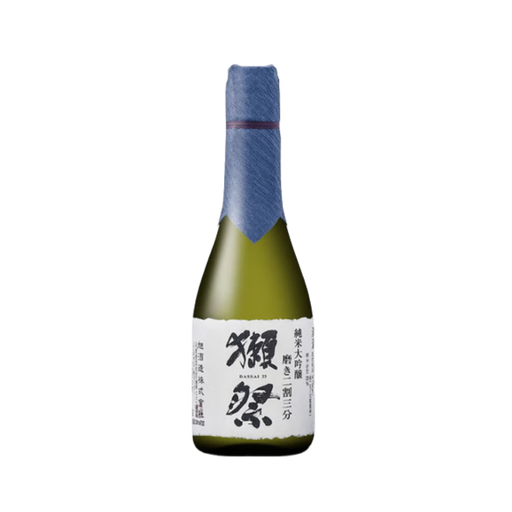
Why It Stands Out: Dassai 23 is the pinnacle of the Asahi Shuzo brewery's craft. Polishing the Yamadanishiki rice down to just 23% of its original size is a feat of precision that results in a sake of extraordinary purity and finesse. The aroma is ethereal and subtle, with graceful notes of melon, pear and delicate white flowers. The palate is incredibly smooth, light and clean, with a precise balance of delicate fruitiness and bright acidity. The finish is long, clean and memorable.
Pros:
Who is it for? Dassai 23 is for special occasions, discerning connoisseurs or as a truly impressive gift. It is a sake to be savoured and contemplated, pairing best with very delicate dishes like oysters, scallops or high-quality sashimi that will not overpower its subtle character.
While Dassai offers a remarkable journey through the world of Junmai Daiginjo, it is just one part of a rich and diverse landscape. If you are interested in exploring other styles, breweries or classifications, there is a wide array of choices available.
Discover our full collection of Japanese sake to find your next favourite bottle.
1. How should I serve Dassai Junmai Daiginjo sake? For all Dassai Junmai Daiginjo sakes, it is recommended to serve them lightly chilled, typically between 10-12°C. Serving them too cold can mute their delicate aromas. Using a white wine glass instead of a traditional small sake cup (ochoko) is also a great way to appreciate the complex bouquet.
2. What is a good Dassai food pairing? The ideal Dassai food pairing depends on the bottle.
3. How long does Dassai sake last after opening? Once opened, it is best to store the bottle refrigerated with the cap tightly sealed. To enjoy its optimal flavour and aroma, you should aim to consume it within a week. After this period, the sake will not spoil but its delicate characteristics may begin to fade.