What to check when buying
Start with the department’s application and remote-access requirements. Then assess memory, storage and screen size against where you will do most of your work.
| Concern |
What to check |
Who this matters to |
| Course software and operating system |
Confirm required applications, remote-lab access and any processor restrictions with your department. If you need Windows Subsystem for Linux, check the Windows version against Microsoft’s requirements. |
I need the laptop to run my module’s tools and connect to any required remote lab without a platform mismatch. Around 36% of consumers put software compatibility first. |
| Memory and storage |
Compare the exact configuration with Heriot-Watt University’s suggested 16 GB memory and at least 512 GB storage; check upgrade options if considering less. |
With coursework files and several study applications open, I want capacity that suits how I plan to work. For around 29% of consumers, memory and storage are the primary concern. |
| Screen size and carrying |
Compare dimensions and weight as well as screen size, based on whether the laptop will travel regularly or stay mainly on a desk. |
My desk is small, but I still need a screen I can work on comfortably and a laptop I can take to class. That balance comes first for around 21% of consumers. |
| Long-term fit and warranty |
Check the exact specification, warranty terms and any model-specific repair or upgrade options. |
I expect to use one laptop across my course, so I want to understand its configuration and support terms before committing. Around 14% of consumers make long-term fit their first concern. |
Joybuy product choices
These models offer both compact 14-inch formats and larger built-in screens for desk-based study. Match any choice to your department’s software and remote-access requirements before ordering.
 No image available
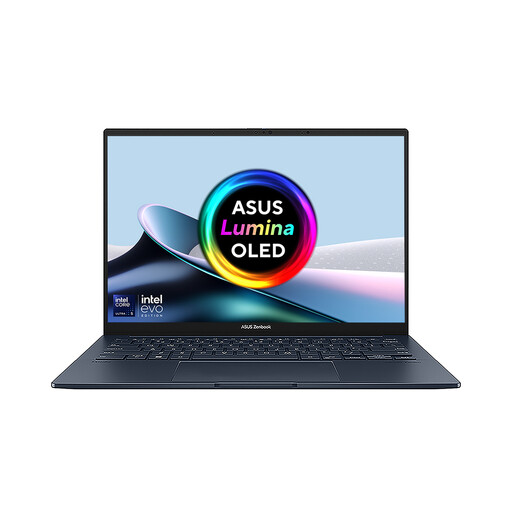
ASUS Zenbook DUO UX8406CA-QL135W, dual 14-inch OLED
Consider the dual-screen format if you want built-in workspace at a student-room desk. This configuration names an Intel Core Ultra 7 255H, 16 GB LPDDR5X memory and a 1 TB SSD. Confirm the exact display resolution and compatibility with your course applications.
View on Joybuy
 No image available
Lenovo LOQ Essential 15ARP11, 15.6-inch FHD
Consider this larger-screen configuration if most of your study happens at a desk. Its name specifies an AMD Ryzen 7 170, 16 GB memory, a 1 TB SSD, GeForce RTX 5050 graphics and a 144 Hz FHD display. Check that its carrying weight and course-software compatibility suit your routine.
View on Joybuy
 No image available
HP OmniBook X Flip 16-as0004na, 16-inch 2-in-1
The 16-inch touchscreen format may suit study mainly at a fixed desk. This configuration names an Intel Core Ultra 5 226V, 16 GB memory, a 512 GB SSD and Windows 11 Home. Check its weight if you will carry it often, as well as the applications your course requires.
View on Joybuy
 No image available
ASUS Vivobook 14 X1407QA-LY003W, Quiet Blue
The 14-inch format is worth considering if desk space and carrying matter to you. This Snapdragon X configuration specifies 16 GB memory and a 512 GB SSD; its onboard memory has a stated maximum of 16 GB. Confirm that every required application and remote-access tool works with its Windows ARM platform before choosing it.
View on Joybuy
 No image available
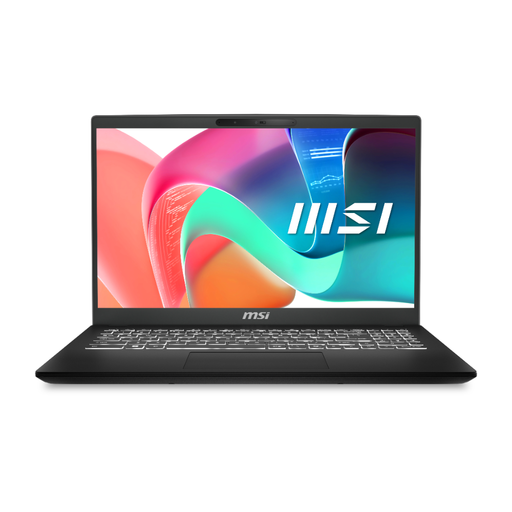
MSI Modern C2RMG-282UK, 9S7-15H431-282
Consider its 15-inch FHD screen if you want a larger built-in workspace. The named configuration has an Intel Core 5 processor, 16 GB DDR IV memory and a 512 GB SSD. Confirm the installed operating-system version before relying on Windows Subsystem for Linux, and check your course applications separately.
View on Joybuy
Common questions
What specification should I start with for data-science study?
Start by checking your course requirements, then consider 16 GB of memory and a 512 GB SSD if you are choosing a new laptop. Heriot-Watt University suggests an Intel i5 or AMD Ryzen 5 processor, 16 GB of memory and at least 512 GB of storage in its general student guidance, while noting that programme needs can differ.
Can I use a Chromebook for a data-science course?
Only choose one if your department confirms that its required software and assessment tools will work on it. Heriot-Watt University advises caution because Chromebooks cannot run some programmes’ required software; that guidance is not a blanket rule for every course.
When does a Windows laptop make sense?
A Windows laptop is a route to consider when your course requires Windows applications or you plan to use Linux command-line tools through Windows Subsystem for Linux. Microsoft says that WSL supports Linux distributions and command-line tools on Windows 10 version 2004 or later, or Windows 11; check your other required applications independently.
What if a newly bought laptop is faulty?
For a faulty laptop bought from a UK trader, the Consumer Rights Act 2015 explanatory notes to section 23 describe a right to seek repair or replacement at the trader’s expense. Keep your proof of purchase and a record of the fault; a change-of-mind return is a separate issue.


