
24/7 Customer Support

Free returns

Same-day & Next-day Delivery

Quality Guaranteed

Unlock Your Welcome Offers: FREE Delivery | Up to 80% OFF | Free 30-day JoyPlus trial
Download the APP
A day moisturiser with SPF can simplify your morning routine by combining hydration and sun protection in one product. However, not every SPF face moisturiser offers the same level of coverage, finish or skin comfort. A low SPF may be suitable for everyday errands but less appropriate for prolonged outdoor exposure, while a richly moisturising formula can feel uncomfortable on oily or combination skin.
The right choice depends on more than the number printed beside “SPF”. Before buying, check the protection level, texture, ingredients, finish and whether you need complexion coverage as well as hydration.
A foundation with SPF or tinted moisturiser with SPF can provide useful additional protection, but many people apply less makeup than the amount used during SPF testing. This can reduce the protection received in practice. Makeup should not automatically replace a dedicated sunscreen when spending substantial time outdoors.
For longer exposure, apply a suitable broad-spectrum sunscreen generously and reapply as directed, particularly after sweating, swimming or towelling. A day cream with sun protection is more practical for routine activities such as commuting, shopping or working indoors near windows.
SPF is only one part of the decision. A product with SPF 30 may feel too rich, leave unwanted shine or contain fragrance that does not suit your preferences. Conversely, an SPF15 product may provide a lighter cosmetic finish but may not meet your needs for extended outdoor use.
Look for clearly stated UVA and UVB protection, and consider how and where you will use the product. In the UK, sunlight exposure still occurs on cloudy days, so a daily facial moisturiser with sun protection can be useful throughout the year.
Terms such as anti-ageing day cream, wrinkle smoothing cream and firming moisturiser can describe a broad range of products. They do not guarantee a particular result for every user. Instead, inspect the ingredient list and identify features that match your routine, such as niacinamide, glycerin, hyaluronic acid, vitamin derivatives or emollients.
Also check for fragrance, alcohol and potential allergens if your skin is sensitive. Always follow the packaging directions and stop using a product if irritation occurs.
SPF indicates protection against UVB-related sunburn under standard test conditions. It does not, by itself, tell you the full level of UVA protection. Check whether the packaging specifies broad-spectrum or UVA protection and follow the recommended application amount.
A moisturiser with sun protection should be applied evenly to the face and neck as the final morning skincare step. Allow it to settle before applying makeup. Reapplication is important during extended exposure.
An oil-free label does not automatically mean a product is suitable for every oily complexion. Finish, layering and your existing cleanser or serum also affect how the formula feels.
If hydration is your main priority, a simple daily facial moisturiser may be easier to layer and less likely to conflict with other skincare. Niacinamide moisturiser formulas can appeal to shoppers looking for a multi-benefit routine, while products with tint can even the appearance of complexion without the coverage of traditional foundation.
Tinted moisturiser with SPF generally offers lighter coverage. Foundation with SPF usually provides more visible colour correction, but it should be viewed as makeup with added protection rather than a replacement for dedicated sunscreen during outdoor exposure.
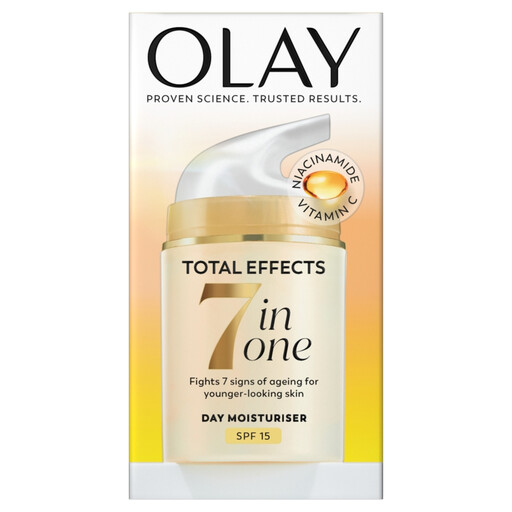
Why This Fits Their Persona: A practical entry point for shoppers who want hydration, niacinamide and a lightweight daytime formula in one 50ml moisturiser for regular UK routines.
The oil-free formula is described as fast absorbing, helping avoid the heavy or greasy feel that can discourage daily use.
Contains niacinamide and panthenol; offers SPF15 and is listed for dry, normal and oily skin types.
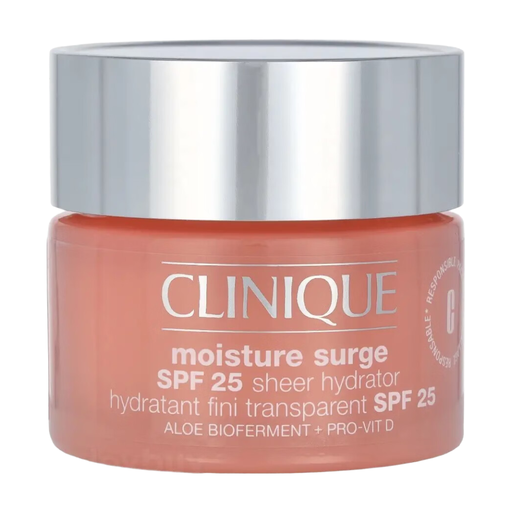
Why This Fits Their Persona: Suits shoppers prioritising a comfortable, sheer finish and hydration under makeup, including those who prefer a fragrance-free formula.
Its pink application texture is designed to blend sheer, helping users see where the product has been spread rather than guessing at coverage.
Oil-free and fragrance-free; includes hyaluronic acid and SPF25 with a sheer finish.
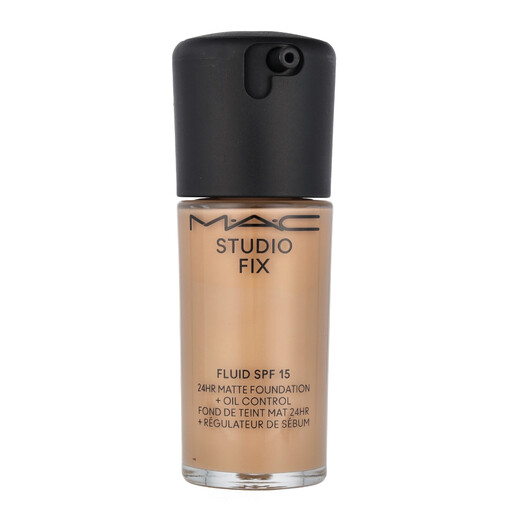
Why This Fits Their Persona: A foundation-led option for workdays, events or situations where medium-to-full buildable coverage and a soft matte finish are more important than a barely-there tint.
The SPF15 label is clear, so it is easier to recognise that additional sunscreen may be needed for extended outdoor exposure.
Provides medium-to-full buildable coverage; the formula is described as waterproof, transfer-resistant, sweat-resistant and humidity-resistant.
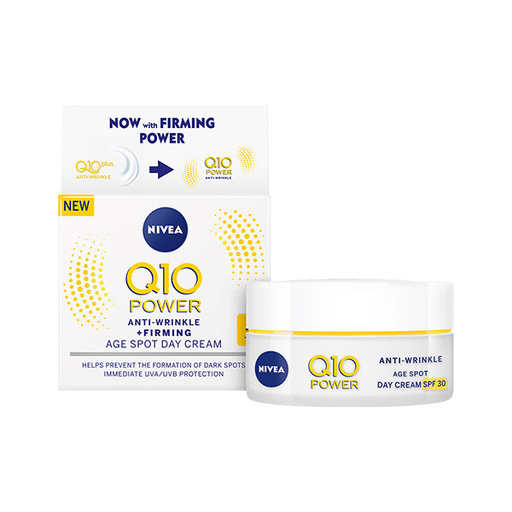
Why This Fits Their Persona: Suitable for shoppers seeking a richer anti-ageing day cream with SPF30 and added hydration for a more nourishing morning routine.
The product information identifies its SPF30 level and Q10, creatine and hyaluronic acid ingredients without requiring buyers to rely on vague “youthful” wording alone.
Contains Q10, creatine and sodium hyaluronate; provides SPF30 in a 50ml day cream format.
We have compiled a complete, real-time list of products that fully satisfy these strict selection criteria and UK safety regulations.
It can be convenient for normal daily activities, but the level of protection depends on how much you apply and the product’s stated UVA and UVB protection. For long periods outdoors, use a dedicated sunscreen, reapply as directed and consider shade, clothing and a hat.
Yes. Apply the moisturiser evenly, allow it to settle and then use foundation sparingly. A foundation with SPF can add another layer of protection, but the amount normally applied may not be enough to provide the labelled SPF on its own.
Shelf life varies by product and storage conditions. Check the open-jar symbol, expiry information and packaging instructions. Replace the product if its smell, colour or texture changes, or if it is past the stated period after opening.