
24/7 Customer Support

Free returns

Same-day & Next-day Delivery

Quality Guaranteed

Unlock Your Welcome Offers: FREE Delivery | Up to 80% OFF | Free 30-day JoyPlus trial
Download the APP
A day moisturiser with SPF can simplify your morning routine by combining hydration, skincare ingredients and sun protection in one product. However, not every face moisturiser with SPF suits every skin type or level of outdoor exposure.
The main challenge is separating useful product information from broad marketing language. A cream described as “anti-ageing” may mainly provide moisturising ingredients and a low SPF, while a lightweight formula may contain fragrance or alcohol that some sensitive users prefer to avoid. The right choice depends on the protection level, finish, ingredients and how you plan to use it.
SPF primarily indicates protection against UVB radiation, which is associated with sunburn. For broader daily protection, look for a product that also states UVA protection, ideally through a UVA circle or clearly described UVA rating on the packaging.
An SPF moisturiser may be suitable for a normal commute, indoor working and brief daytime exposure. It may not provide enough protection for extended time outdoors, holidays, walking, gardening or sport. In those situations, use a dedicated sunscreen, apply enough product and reapply after sweating, swimming or towel drying.
A premium price can reflect packaging, texture, brand positioning or additional ingredients. It does not automatically mean a higher SPF. For example, some luxury anti-ageing moisturisers provide SPF15, while several more accessible options offer SPF30 or SPF50.
Check the label for the actual SPF number, UVA information, size and recommended use rather than relying on phrases such as “multi-protection” or “youth-boosting”.
A rich SPF day cream may feel comfortable on dry skin but heavy on an oily or combination complexion. Conversely, a lightweight SPF moisturiser may leave dry skin needing an additional hydrating layer.
Fragrance, essential oils, denatured alcohol and certain preservatives can also matter if you have known sensitivities. Review the current ingredient list before buying, particularly if you are choosing a brightening moisturiser or anti-wrinkle day cream with several active ingredients.
For everyday UK use, compare SPF15, SPF20, SPF25, SPF30 and SPF50 according to your routine. SPF30 generally offers a higher level of labelled UVB protection than SPF15, but no SPF should be treated as permission for unlimited sun exposure.
Look for clear UVA wording or a UVA symbol. A product described as a moisturiser with UVA and UVB protection is more suitable for shoppers seeking broad daily coverage than one that only displays an SPF number.
Apply your daily facial moisturiser evenly over the face and neck as directed, normally as the final morning skincare step. Using too little can reduce the practical level of protection. If you will be outside for a prolonged period, add dedicated sunscreen and protective clothing.
Check the period-after-opening symbol, batch details and storage guidance. Heat, direct sunlight and repeated exposure to air can affect the product’s condition. A 50ml jar or tube is convenient for home use, while a 100ml lotion may offer better value for applying to both the face and neck.
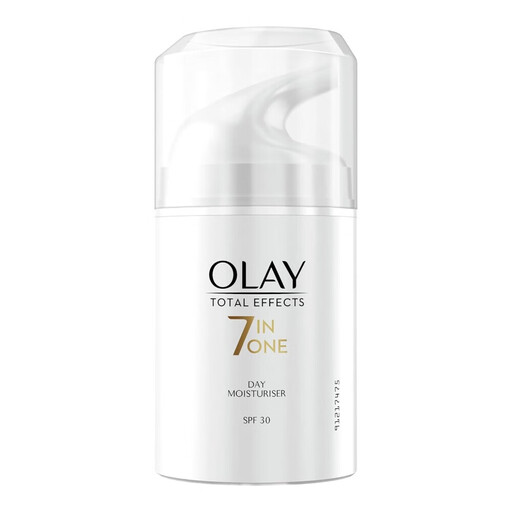
Why This Fits Their Persona: A practical one-step option for UK shoppers who want hydration, daily skincare and SPF30 without buying several separate products.
The SPF30 rating is clearly specified, helping avoid confusing low-SPF marketing with higher everyday coverage. It is also listed as non-greasy and non-pore-clogging.
50ml format; includes niacinamide, glycerin, panthenol and antioxidant vitamin derivatives.
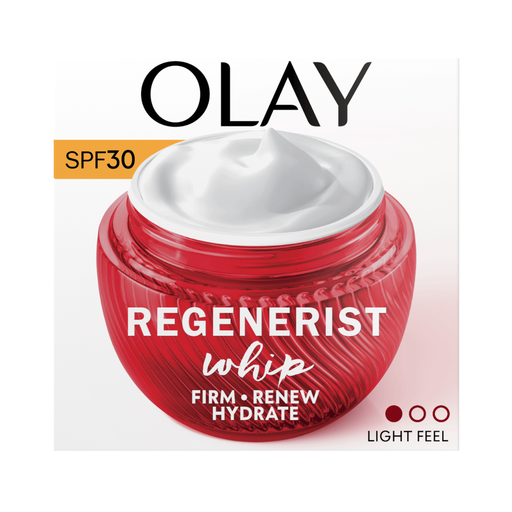
Why This Fits Their Persona: Suits commuters, office workers and make-up users who prefer a matt, shine-free finish rather than a rich cream.
Its product description identifies the finish and texture, rather than leaving “lightweight” undefined. SPF30 is stated for daytime use.
Contains niacinamide, panthenol, sodium hyaluronate and a peptide; listed as non-sticky and non-greasy.
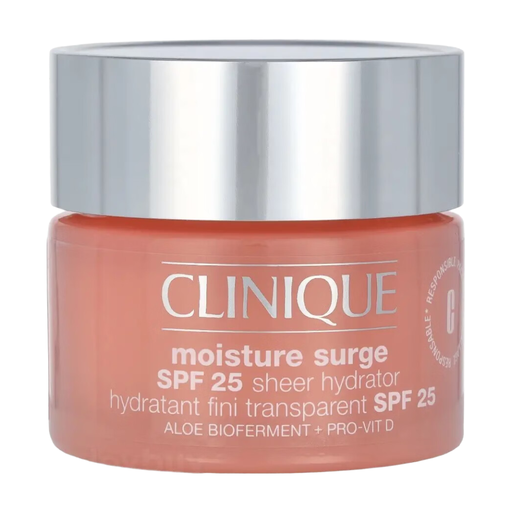
Why This Fits Their Persona: A considered option for shoppers prioritising a sheer, fragrance-free, oil-free formula that can sit beneath make-up.
The product is described as blending sheer without a white cast and is listed as fragrance-free, making its finish and formula easier to assess before purchase.
SPF25; aloe bio-ferment, hyaluronic acid and glycerin; suitable for all listed skin types.
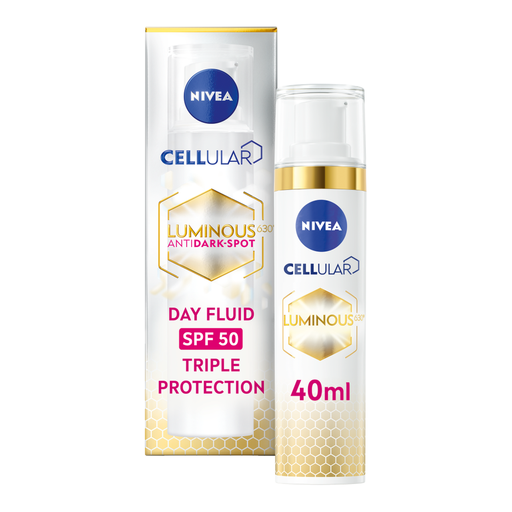
Why This Fits Their Persona: Designed for shoppers who place a higher priority on SPF50, a fluid texture and dark-spot-focused skincare for frequent daytime exposure.
It states SPF50 and includes UVA/UVB filters, so protection is not inferred from anti-dark-spot language alone. The listing also identifies oil control and a mattified finish.
Contains hyaluronic acid, vitamin E and Thiamidol; suitable for all listed skin types, including sensitive skin.
We have compiled a complete, real-time list of products that fully satisfy these strict selection criteria and UK safety regulations.
It can be suitable for routine daytime activities such as commuting or working indoors, provided it offers clearly labelled SPF and UVA protection. For extended outdoor exposure, use a dedicated sunscreen and additional protection such as clothing, a hat and shade.
Choose according to your exposure, personal preference and the product’s UVA information. SPF50 may be more appropriate for frequent outdoor use, while SPF30 is a common choice for general daytime routines. Neither rating removes the need for correct application and reapplication.
Yes, but check the complete ingredient list and texture. Products for mature skin may include niacinamide, peptides, hyaluronic acid or coenzyme Q10, while sensitive-skin shoppers may prefer fragrance-free formulas. Patch-test new skincare and discontinue use if irritation occurs.