Tea drinkers avoiding caffeine
Look for a chai-style herbal infusion or spiced rooibos blend specifically labelled caffeine-free. Decaffeinated black tea is a different choice because traces of caffeine can remain.


Choose a chai-style infusion labelled caffeine-free if avoiding caffeine is your priority; its herbal or rooibos base will taste different from black-tea chai. Choose decaffeinated black tea if you prefer a black-tea base and are happy to add spices, bearing in mind that decaf can retain traces of caffeine. Check the full ingredient list too, particularly for liquorice root during pregnancy.
Look for a chai-style herbal infusion or spiced rooibos blend specifically labelled caffeine-free. Decaffeinated black tea is a different choice because traces of caffeine can remain.
A decaffeinated black tea gives you a tea base for an afternoon chai-style drink. Check whether spices are included; a plain decaf tea needs them added separately.
Check botanicals as well as caffeine wording. The NHS advises avoiding teas containing liquorice root during pregnancy, and Pukka identifies liquorice as an ingredient in its Spiced Vanilla Chai.
Start with the caffeine requirement, then choose the tea base and spice profile you want in your afternoon cup.
Choose it when: You want a ready-blended, caffeine-free spiced infusion, such as Pukka Spiced Vanilla Chai.
Bear in mind: It has no black-tea base, and Pukka's blend contains liquorice.
Choose it when: You want a naturally caffeine-free spiced drink without needing it to be labelled chai.
Bear in mind: Teapigs Spiced Winter Red has a rooibos and orange-spice profile, rather than a black-tea chai base.
Choose it when: A black-tea base matters more to you than avoiding every trace of caffeine.
Bear in mind: Plain decaf black tea needs separately added spices for a chai-style cup.
| Priority | What to check | Your needs |
|---|---|---|
| Caffeine wording | Check whether the individual pack says decaffeinated or caffeine-free, and whether its base is black tea, herbs or rooibos. Twinings explains that decaffeinated tea can retain traces of caffeine. | I want to know whether I am reducing caffeine or choosing a drink labelled caffeine-free. |
| Tea and spices | Read the ingredients for black tea and the spices you want. Pukka lists cardamom, ginger, cinnamon and vanilla in its herbal chai; plain decaf black tea needs spices added separately. | For this tea break, would I rather open a ready-spiced bag or prepare a black-tea drink with my own spices? |
| Botanicals | Read the full ingredient list, not just the caffeine claim. The NHS advises avoiding liquorice-root teas during pregnancy; Pukka identifies liquorice in Spiced Vanilla Chai. | If I need to check an ingredient during pregnancy or for another individual concern, caffeine-free wording alone does not answer that question. |
Decaffeinated black tea may retain traces of caffeine, while a caffeine-free herbal or rooibos infusion has a different base and flavour.
Decide which caffeine wording you need, then check it on the individual pack alongside the ingredients.
‘Chai’ describes the style of drink, not its caffeine content. A plain decaf black tea is not already spiced, either.
Check both the tea base and spice list. If you choose plain decaf black tea, plan to add your preferred chai spices separately.
Caffeine wording does not tell you whether a blend contains liquorice or other botanicals. The NHS advises avoiding teas containing liquorice root during pregnancy.
Read the complete ingredient list; Pukka identifies liquorice in its Spiced Vanilla Chai.
Pukka describes Spiced Vanilla Chai as a caffeine-free herbal chai blend.
Twinings presents decaffeinated teas and chai teas in separate ranges.
Clipper Organic Everyday Decaf is decaffeinated black tea that can be used as a base for a chai-style drink.
Teapigs describes Spiced Winter Red as a naturally caffeine-free rooibos drink with cinnamon, cloves and orange peel.
Tesco's decaf-tea category includes own-label and branded decaffeinated teas.
These options include a ready-spiced herbal chai and decaffeinated black teas you could use as a base for a chai-style drink. The black teas need spices added separately.
 Image unavailable
A ready-spiced, caffeine-free herbal infusion for an afternoon chai-style cup. Its ingredients include cinnamon, ginger, cardamom, vanilla and liquorice root; it is not black tea. The NHS advises avoiding liquorice-root teas during pregnancy.
 Image unavailable
Decaffeinated black tea for a chai-style cup made with separately added spices; it is not a ready-spiced chai. Decaffeinated tea can retain traces of caffeine.
 Image unavailable
Decaffeinated black tea in tea bags that can serve as a base when you add chai spices separately. It is not a ready-made chai, and decaffeinated tea can retain traces of caffeine.
 Image unavailable
Decaffeinated black tea bags for a chai-style drink made with your own spices. This is not a pre-spiced blend, and decaffeinated tea can retain traces of caffeine.
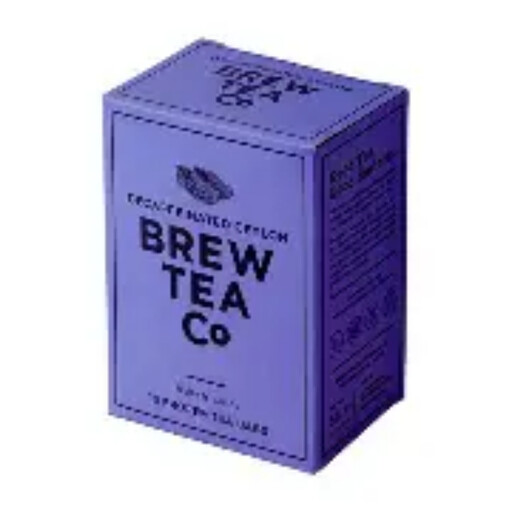 Image unavailable
CO₂-decaffeinated Ceylon black tea in 40 bags, suitable as a base if you plan to add chai spices. It is not a ready-spiced chai, and decaffeinated tea can retain traces of caffeine.
No. Twinings explains that decaffeinated tea can retain traces of caffeine. If avoiding caffeine is the priority, check for a chai-style herbal or rooibos infusion specifically labelled caffeine-free, and expect a different base from black-tea chai.
Pukka describes Spiced Vanilla Chai as a caffeine-free blend with cardamom, ginger, cinnamon and vanilla. It is a herbal infusion rather than black-tea chai, and its ingredients include liquorice.
Yes. Use decaffeinated black tea as the base and add chai spices separately. That gives you control over the spices, but the plain tea is not a ready-made chai and decaf can retain traces of caffeine.
Check the complete ingredient list as well as the caffeine wording. The NHS advises avoiding teas containing liquorice root during pregnancy, and Pukka identifies liquorice in Spiced Vanilla Chai. Ask a midwife, pharmacist or clinician about individual ingredient concerns.