Who is each option for?
The useful distinction is between a caffeine-free herbal infusion and tea that has been decaffeinated; the word ‘chai’ alone does not tell you which is in the cup.
Hosts avoiding caffeine
If you are serving afternoon tea to someone avoiding caffeine, look for an explicit caffeine-free claim on the exact blend. Pukka describes its Vanilla Chai as caffeine-free and herbal; check its ingredients as well as the front-of-pack description.
Black-tea chai drinkers reducing caffeine
If a black-tea base matters to your choice, start with tea explicitly labelled decaffeinated and check whether spices are included. Twinings says minor caffeine traces can remain in decaffeinated tea, while Teapigs states that its regular Chai Tea contains caffeine.
Shoppers checking herbal ingredients
A caffeine-free claim does not describe every ingredient. Pukka lists liquorice in Vanilla Chai; the NHS advises pregnant people to avoid herbal teas containing liquorice root.
What should you check before choosing?
Decide whether caffeine avoidance or a black-tea base matters more, then check the spices and ingredients on the exact product.
| Priority |
What to check |
Your needs |
| Caffeine status |
Look for an explicit caffeine-free or decaffeinated claim. Check whether the base is herbal or made from tea leaves; Twinings says decaffeinated tea may retain minor caffeine traces. |
I want to avoid caffeine, rather than simply choose a tea with caffeine removed. A blend explicitly described as caffeine-free fits that distinction more clearly. |
| Tea base and spices |
Read the ingredient list for black tea and chai spices. Pukka describes a herbal blend with cardamom, ginger, cinnamon and vanilla; Twinings Classic Chai contains 70% black tea and is not presented as decaf. |
For a black-tea cup, I would check a decaf tea and decide whether to add spices separately. For a ready-spiced herbal cup, I would not expect a black-tea base. |
| Ingredient suitability |
Check the full ingredient list, not just ‘herbal’ or ‘chai’. Pukka lists liquorice in Vanilla Chai; NHS pregnancy guidance says to avoid herbal teas containing liquorice root. |
If liquorice root is an ingredient I need to avoid, the caffeine claim alone will not settle my choice. |
| Exact product |
Compare the product name, caffeine wording, ingredients and pack size on the current pack or product page. Do not use a retailer’s search category as a substitute for the exact item’s information. |
I want to know what I am serving guests, especially when similarly named chai and decaf teas have different bases. |
Brand and retailer references
These examples help distinguish product types; a brand name by itself does not establish the caffeine status of every tea it sells.
Pukka
Pukka describes its Vanilla Chai as a caffeine-free herbal infusion rather than a decaffeinated black tea.
- Pukka lists cardamom, ginger, cinnamon and vanilla in the blend.
- Its ingredient listing also includes liquorice, so check whether the blend suits the person drinking it.
Twinings
Twinings offers decaffeinated teas, but its listed Classic Chai is a separate black-tea spice blend.
- Its decaf range provides a route for shoppers who want tea leaves rather than a herbal infusion.
- Twinings says minor caffeine traces may remain in decaf tea; Classic Chai contains 70% black tea and is not labelled decaf.
Clipper
Clipper describes its Organic & Fairtrade Everyday Decaf as decaffeinated black tea.
- Clipper states that it uses carbon dioxide in the decaffeination process for this tea.
- The described Everyday Decaf is plain tea, not a ready-spiced chai blend.
Teapigs
Teapigs Chai Tea is a reference point for a spiced black-tea blend, not a decaf choice.
- Its listed ingredients include Assam black tea, cinnamon, ginger, cardamom and vanilla.
- Teapigs explicitly says this Chai Tea naturally contains caffeine.
Tesco
Tesco’s tea search results show why it is worth checking individual listings rather than treating a search page as one product type.
- The results list both Tesco Decaff Original Tea and Pukka Organic Vanilla Chai.
- Their appearance in the same results does not establish that the Pukka chai is decaffeinated black tea.
Joybuy options for afternoon tea
These options cover a ready-spiced herbal chai and decaffeinated teas that you can consider as a base for a chai-style cup. Check each pack before serving: ‘decaffeinated’ and ‘caffeine-free’ are not interchangeable claims.
 No image available
Pukka Vanilla Chai, 20 herbal tea sachets, 40g
For an afternoon chai-style drink without a black-tea base, Pukka describes Vanilla Chai as a caffeine-free herbal infusion with ginger, cardamom, cinnamon and vanilla. Its ingredient listing includes liquorice; check the pack if you need to avoid it.
View on Joybuy
 No image available
Tetley Decaffeinated Tea, 80 bags, 250g
A decaffeinated tea to consider if you prefer to prepare your own spiced afternoon cup. Check the ingredients for the tea base and any spices before buying; Twinings notes that minor caffeine traces may remain in decaffeinated tea.
View on Joybuy
 No image available
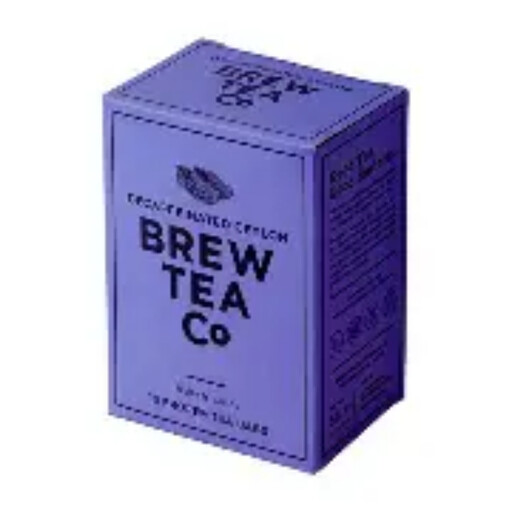
Brew Tea Co CO2 Decaffeinated Tea, 40 bags, 200g
If you plan to add chai spices yourself, check this decaffeinated tea’s current ingredients and brewing instructions first. The decaf description should not be read as a caffeine-free claim; Twinings says decaffeinated tea can retain minor traces.
View on Joybuy
 No image available
Taylors of Harrogate Yorkshire Tea Decaf, 250g
Consider this decaf tea when you would rather choose the tea first and make a spiced serving separately. Check the pack for its ingredients and preparation directions, and do not assume that decaf means caffeine-free.
View on Joybuy
 No image available
Clipper Organic Fairtrade Decaf Everyday, 80 tea bags, 277g
For a chai-style serving, check the ingredients and add spices separately if needed. Confirm the exact pack’s tea base and serving directions before buying; decaffeinated tea may still contain minor caffeine traces.
View on Joybuy
Frequently asked questions
Is decaf chai the same as caffeine-free chai?
No. Twinings says minor caffeine traces can remain in decaffeinated tea, while Pukka describes its Vanilla Chai herbal infusion as caffeine-free. Read the caffeine claim on the exact product rather than relying on ‘chai’ in its name.
Can I serve herbal chai to guests expecting black-tea chai?
You can serve it, but explain the difference: a herbal chai has no black-tea base. Twinings Classic Chai contains black tea, and Teapigs says its black-tea Chai Tea naturally contains caffeine. If guests want both a tea-leaf base and less caffeine, check a decaffeinated tea and whether spices need adding.
How long should I brew a herbal chai?
Follow the instructions for the blend you buy. Pukka gives a general infusion time of 5–10 minutes for its herbal blends, depending on the herbs and preferred strength; a different tea may have different directions.
Is Pukka Vanilla Chai suitable during pregnancy?
Do not treat its caffeine-free claim as a pregnancy-suitability claim. Pukka lists liquorice in Vanilla Chai, and the NHS advises pregnant people to avoid herbal teas containing liquorice root. The NHS also advises avoiding more than four cups of herbal tea a day during pregnancy.
What should I read on the pack before buying?
Check the exact caffeine or decaf wording, ingredient list and pack size. GOV.UK says prepacked-food labelling must be accurate and not misleading; a retailer search result alone does not tell you whether a particular chai is herbal, decaffeinated or regular black tea.


