People with diabetes choosing an unsweetened drink
A brewed chai tea or herbal infusion lets you decide whether to add sugar, syrup, honey or milk. Diabetes UK advises cutting back on sugar in chai and other hot drinks.


Choose a naturally caffeine-free herbal chai if avoiding caffeine is your priority, or make chai with decaffeinated black tea and plain spices if you prefer a tea-leaf base and accept that traces of caffeine may remain. Diabetes UK advises cutting back on sugar in chai, so consider sweeteners and milk separately from the tea or infusion itself.
A brewed chai tea or herbal infusion lets you decide whether to add sugar, syrup, honey or milk. Diabetes UK advises cutting back on sugar in chai and other hot drinks.
Look for an explicit naturally caffeine-free statement on the chai product. Twinings explains that decaffeinated tea can still contain minor traces of caffeine.
Decaffeinated black tea with separately added, unsweetened spices offers a tea-leaf route. Plain decaf tea is not itself a chai blend, and decaf does not mean caffeine-free.
Decide whether you need a caffeine-free infusion or a decaf tea-leaf base, then assess the drink you will actually prepare.
Choose when: Avoiding caffeine matters more to you than having a black-tea base; Pukka and Teapigs describe the named chai-style infusions as caffeine-free.
Trade-off: A herbal infusion is not decaffeinated black-tea chai.
Choose when: You want a tea-leaf base and can accept the minor caffeine traces that Twinings says may remain in decaf tea.
Trade-off: You must add the spices yourself; plain decaf tea is not a ready-made chai blend.
| Priority | What to check | Your needs |
|---|---|---|
| Added sugar | Check the exact pack’s ingredients and nutrition panel. Distinguish a brewable tea or infusion from a sweetened chai-latte powder, concentrate or ready-to-drink product. | I want chai flavour without automatically adding sugar, syrup or honey. Diabetes UK advises cutting back on sugar in chai. |
| Caffeine status | Look for an explicit naturally caffeine-free or decaffeinated statement on the exact product. Twinings identifies chai as a black-tea variety and notes that decaf tea can retain caffeine traces. | If avoiding caffeine matters to me, a product labelled only “chai” does not answer that question. If I accept traces, decaf tea may fit. |
| Milk additions | Consider how much milk or milk alternative goes into the prepared drink, especially if you count carbohydrates. A water-brewed tea and a milk-heavy latte are different preparations. | When I add milk, I need to account for the drink as I make it, rather than judge the tea bag alone. Diabetes UK highlights carbohydrate counting for people with type 1 diabetes. |
| Chai flavour | Check whether the product is a spiced herbal infusion, a chai containing black tea, or plain decaf tea that needs separate spices. | I may prefer a ready-to-brew herbal chai, or I may want to add my own spices to a decaf tea-leaf base. |
| Spice claims | Judge chai spices by the flavour you want, not by a promise to treat diabetes. Diabetes UK states that cinnamon is not a cure for diabetes. | I’m choosing a drink for its taste and caffeine status, not as a replacement for diabetes treatment. |
Chai can contain black tea and therefore caffeine. Twinings also notes that decaffeinated tea can retain minor traces.
Check the exact product for a naturally caffeine-free or decaffeinated statement, according to the level of caffeine reduction you need.
Sugar, syrup, honey or a sweetened mix changes what is in the finished drink. Diabetes UK advises cutting back on sugar in chai.
Check the ingredients and nutrition panel of latte powders and prepared drinks, and consider anything you add to a brewed tea.
Diabetes UK states that cinnamon is not a cure for diabetes.
Choose spices for flavour, not in place of prescribed care.
The carbohydrate in a milk-based chai is relevant to someone who counts carbohydrates; the tea bag alone does not describe the finished drink.
Account for the milk or alternative you use according to your individual diabetes plan.
These references help distinguish caffeine-free chai infusions from decaf teas and conventional chai; they do not establish that every product from a brand has the same caffeine status.
A reference for ready-made herbal chai when avoiding caffeine is the priority.
A chai-style infusion for shoppers interested in a pumpkin-spiced flavour.
A reference for distinguishing decaffeinated tea from chai made with black tea.
A reference for decaf everyday tea or caffeine-free herbal infusions.
A retailer reference for checking decaf teas and speciality chai as separate product types.
These options include a herbal chai infusion and plain decaf teas that can be brewed with separately added, unsweetened chai spices. For each drink, consider any milk or sweetener you add.
 No image available
A brewable herbal chai option for avoiding caffeine; confirm the caffeine-free statement and ingredients on the current pack. Consider milk or sweeteners separately when assessing the prepared drink.
 No image available
A plain decaf tea option if you prefer to add unsweetened chai spices yourself; it is not a ready-made chai blend. Decaf tea can retain caffeine traces, so check the current pack if the residual amount matters to you.
 No image available
A plain decaf tea for brewing with your own unsweetened chai spices, rather than a chai blend. Check the current pack for caffeine and nutrition information relevant to your choice, and consider any additions separately.
 No image available
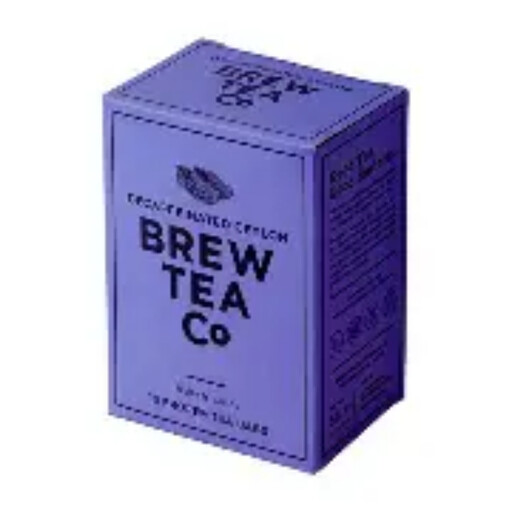
Another plain decaf tea option for adding chai spices separately, not a ready-made chai. Its name identifies CO2 decaffeination; check the current pack if the residual caffeine amount or nutrition information affects your decision.
No. Decaf describes caffeine reduction, not the sugar or carbohydrate in the finished drink. Diabetes UK advises cutting back on sugar in chai; check sweetened mixes and account for any milk or sweeteners you add according to your own plan.
Choose a product explicitly described as naturally caffeine-free if avoiding caffeine is the priority. Decaf tea is an option when you want a tea-leaf base and accept traces of caffeine; Twinings explains that minor traces can remain after decaffeination.
No. Diabetes UK states that cinnamon is not a cure for diabetes. Choose chai spices for flavour, not as a substitute for prescribed treatment.
If you count carbohydrates, account for the milk or milk alternative in the drink you prepare. Diabetes UK highlights carbohydrate counting as particularly important for people with type 1 diabetes.
Check the exact pack’s caffeine statement, ingredients, allergen information and nutrition panel against what matters to you. Do not assume that a chai is decaf, that a herbal infusion has a black-tea base, or that a prepared chai drink is unsweetened.