After-dinner flavour seekers
If you like the sound of caramel, malt or honeycomb notes, compare those descriptions on ground coffee and bean packs. They describe the brands’ intended profiles, not a taste that everyone will perceive in the same way.


Choose ground decaf or beans if you have brewing equipment and want to take time over an after-dinner cup; choose instant when a quick mug matters more. Use the maker’s roast and flavour descriptions to find a direction you like, but do not assume that decaf means caffeine-free.
The useful starting point is how you want to make the coffee after dinner, followed by the flavour direction that appeals to you.
If you like the sound of caramel, malt or honeycomb notes, compare those descriptions on ground coffee and bean packs. They describe the brands’ intended profiles, not a taste that everyone will perceive in the same way.
Instant decaf needs hot water rather than a separate brewer. Kenco describes its decaf as smooth and balanced, while NESCAFÉ describes Original Decaf as bold; those give you different starting points for choosing a flavour.
Ground coffee or beans may fit an unhurried after-dinner routine. Match ground coffee to your brewing equipment, and choose beans only if you have a suitable way to grind and brew them.
Settle the preparation method first, then compare flavour descriptions and the current pack information for the product you choose.
| Priority | What to check | Your needs |
|---|---|---|
| Flavour direction | Compare the stated roast and notes on the exact product. Taylors describes Decaffé with caramel and malt notes; M&S describes its Colombian ground decaf with caramel and blackcurrant notes. These are brand descriptions, not independent taste results. | I would enjoy a rounded after-dinner cup, so those descriptions help me choose what to try first. |
| Caffeine | Check the current pack if a particular caffeine limit matters. Decaffeination removes caffeine but does not, by itself, establish that a coffee contains none. | I want decaf after dinner, but I should not treat the word on the label as a zero-caffeine guarantee. |
| Preparation | Instant dissolves in hot water; coffee bags steep in a cup. Ground coffee needs a suitable brewer, beans need grinding and brewing equipment, and pods need a compatible machine. | On a busy evening, I would rather make one mug with little clean-up; when I have more time, I can prepare a brewed coffee. |
| Equipment fit | Confirm the product form and any stated brewer or pod-system compatibility before buying. Do not assume that every ground coffee or pod suits your setup. | If I already have a cafetière, filter brewer or coffee machine, I want a format I can use with it. |
NESCAFÉ describes its decaffeination process as removing most of the caffeine, rather than all of it. That distinction matters if you have been given a strict individual limit.
Check the current product pack and follow any personalised advice you have received about caffeine.
A ground coffee, whole beans and instant coffee call for different preparation. Even an appealing flavour description is of little use if the format does not fit your evening routine.
Check your brewing equipment first. For a cup made without a brewer, consider instant coffee or a coffee bag.
Pods also require a compatible machine.
Words such as smooth, balanced and bold are brand descriptions, not independent comparisons between these coffees.
Use the stated roast and flavour notes to shortlist a profile, then adjust how you prepare the coffee to suit your taste.
These examples show how particular brand ranges describe their formats and flavours; they are not a ranking of the brands or a list of Joybuy stock.
Original Decaf is an instant option for a mug made with hot water.
Kenco Decaf is an instant, medium-roast option.
Taylors offers Decaffé as ground coffee and beans for a brewed cup.
Tesco’s decaf category provides a way to compare several own-label formats.
M&S lists decaf across ground, instant, coffee-bag and pod formats.
These instant, ground and whole-bean decafs offer different ways to make an after-dinner cup. Check the format and pack details of the individual product before choosing.
 No image available
An instant decaf for a quick after-dinner mug. NESCAFÉ describes Original Decaf as bold; check the pack if a specific caffeine limit matters.
 No image available
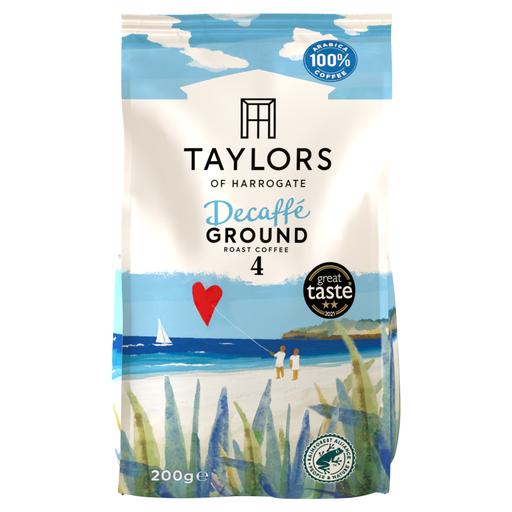
A ground decaf for an after-dinner cup when you have time to brew. Check that the grind and pack directions suit your equipment.
 No image available
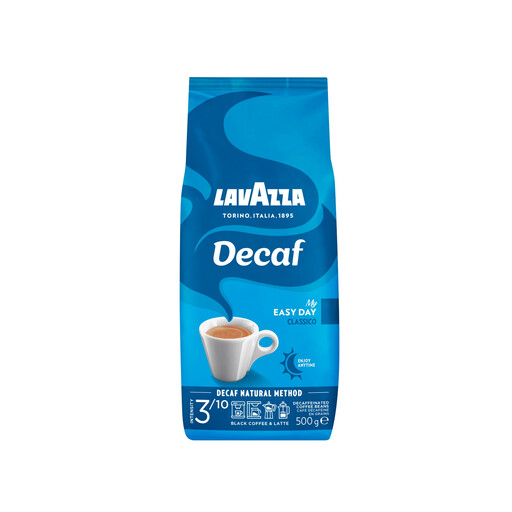
Whole decaffeinated beans for a brewed after-dinner coffee. You will need suitable grinding and brewing equipment; check the pack if a particular caffeine limit matters.
 No image available
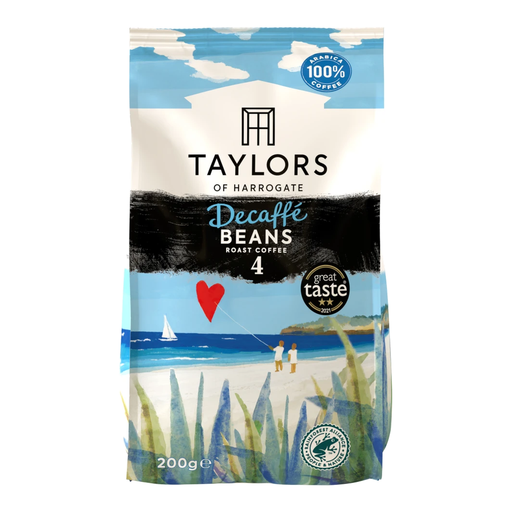
Whole decaf beans for a more involved after-dinner brew. Check that you have a suitable grinder and brewing method, and read the current pack for product details.
 No image available
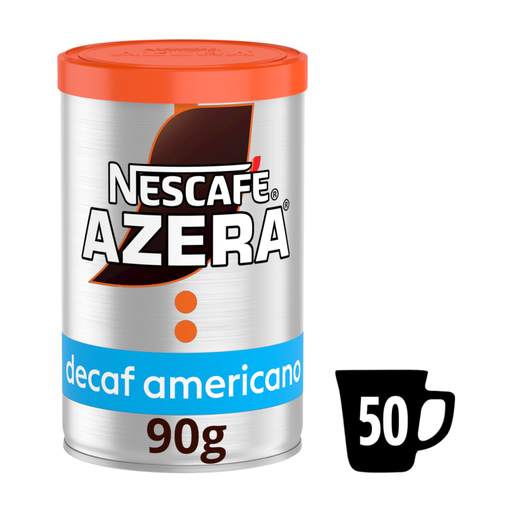
A decaf Americano option for a quick mug after dinner. Check the current pack for its preparation directions, ingredients and any caffeine information relevant to you.
No. Decaffeination removes caffeine, but a decaf description is not a guarantee of zero caffeine. Check the current pack if a specific limit matters to you.
Choose ground coffee if you have a suitable brewer, or beans if you can grind and brew them; both involve more preparation than instant. Instant suits a quick mug, while coffee bags offer a steep-in-cup option.
Start with the maker’s roast and flavour notes: Taylors describes Decaffé with caramel and malt, while NESCAFÉ describes Original Decaf as bold. Treat these as guides to the intended profile, not a promise that everyone will taste the same thing.
Yes, particularly if ingredients, allergens or preparation directions matter to you. M&S advises shoppers to check current labels because product information can change.