Home workers who want 80 counted portions
Coffee bags suit a lunch routine built around one portion per cup, without measuring grounds or using a machine. Tesco lists Taylors Decaffé as 10 coffee bags per pack; eight packs give you 80 separate bags.


Choose counted coffee bags if you want one portion for each lunch: Tesco lists Taylors Decaffé in packs of 10, so eight packs provide 80 bags, not one 80-bag box. Choose instant decaf if measuring from a pack suits your lunch break better; its weight alone cannot tell you whether it will make 80 cups.
Coffee bags suit a lunch routine built around one portion per cup, without measuring grounds or using a machine. Tesco lists Taylors Decaffé as 10 coffee bags per pack; eight packs give you 80 separate bags.
Instant decaf suits a mug prepared from a measured spoonful rather than an individually wrapped bag. If you need a particular number of lunches from a pack, check its preparation guidance rather than relying on the pack weight.
Decaf does not necessarily mean caffeine-free. Check the product label and consider caffeine from other drinks and foods if your total intake matters to you.
Decide whether you need 80 separate portions or simply a supply of decaf coffee, then check how you would make each lunch cup.
| Priority | What to check | Your needs |
|---|---|---|
| Counted portions | Read the coffee-bag count on each pack and set the basket quantity accordingly. Tesco lists Taylors Decaffé as a 10-bag pack; eight packs contain 80 bags. | I want to take one bag for each lunch and know how many portions I have bought. |
| Preparation | Check whether the product is a coffee bag, instant coffee or ground coffee, and whether you have the equipment its directions require. | A bag appeals when I want a single portion without measuring grounds; instant suits me when I would rather measure coffee into a mug. |
| Pack yield | For instant coffee, read the pack's suggested amount per cup. A weight such as 190 g or 300 g is not, by itself, an 80-cup count. | If I am buying for a set number of workdays, I need to work from the pack directions and the amount I actually use. |
| Caffeine | Check the exact decaf product label rather than assuming it contains no caffeine. Consider caffeine from other sources when tracking total intake. | I want to choose a decaf format without treating the word 'decaf' as a caffeine-free guarantee. |
An 80-count hot-drink pack will not meet a coffee-bag requirement if the product is tea.
Check that the title and pack say coffee bags. For the Taylors Decaffé 10-bag pack listed by Tesco, select eight packs if your target is 80 bags.
How long instant coffee lasts depends on the amount used for each mug; a pack weight does not fix the number of lunches it covers.
Use the directions on the specific pack to judge its yield, or choose counted bags if an exact number of separate portions matters.
Decaffeination does not necessarily remove all caffeine, so the distinction matters when tracking intake from several foods and drinks.
Read the product label. For pregnancy-related caffeine guidance, consider the NHS advice on total daily intake rather than assessing a cup of coffee in isolation.
Compare the exact product and pack format, not just the brand name: coffee bags and instant coffee answer different lunch-time needs.
An instant-decaf option for a measured mug at home.
A decaf instant-coffee option for shoppers who prefer a jar to individual bags.
A ground-coffee bag option when one portion per lunch matters.
A retailer listing both decaf instant coffee and Taylors coffee bags.
A retailer listing decaf coffee in more than one preparation format.
A retailer describing both decaf coffee bags and instant coffee for different preparation preferences.
These decaf coffee options suit shoppers considering a measured cup for a home-working lunch rather than buying 80 individually counted coffee bags. Check each pack's directions if cup yield matters.
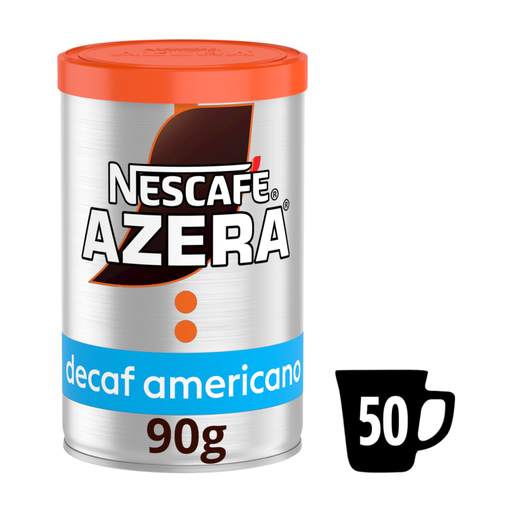 Image unavailable
Consider this 90 g decaf coffee if you would rather prepare a measured lunch cup than use a counted bag. Check its directions to judge how many cups the pack will make.
 Image unavailable
This 300 g decaf coffee is an option if you prefer measuring instant coffee for each home lunch. It does not provide 80 counted bags; check the suggested amount per cup to assess its yield.
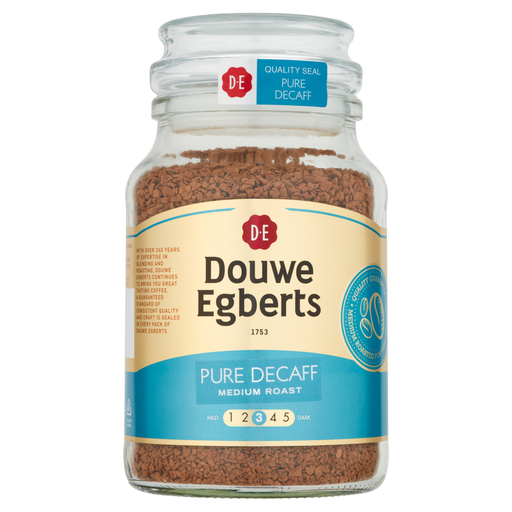 Image unavailable
This 190 g instant decaf coffee suits a lunch routine based on measured servings rather than coffee bags. Read the pack directions for preparation and portion guidance instead of treating its weight as an 80-cup count.
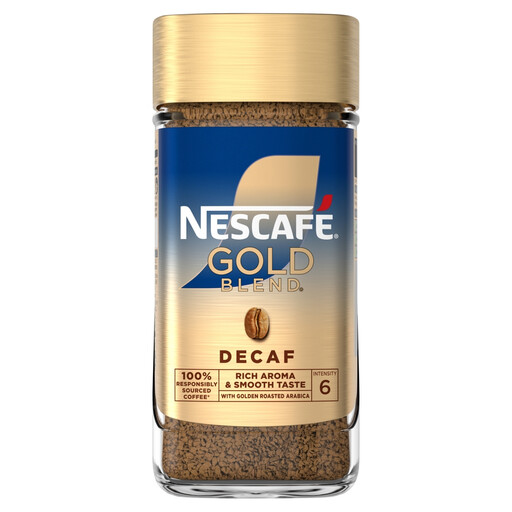 Image unavailable
This 190 g decaf coffee is another option for measured lunch cups rather than individual bags. Check the label's preparation guidance if you are planning for a specific number of workdays.
Eight packs of the Taylors Decaffé 10-bag product listed by Tesco give you 80 coffee bags. Check that the product you select says coffee rather than tea and that your basket contains eight packs.
Choose coffee bags if a counted, individual portion matters more than measuring coffee. Choose instant decaf if you prefer to measure each mug; check its pack directions if you need to estimate how many lunches it will cover.
No: decaf does not necessarily mean caffeine-free. Nescafé describes its decaf process as removing most of the caffeine, so check the exact product label if caffeine intake matters to you.
Decaf should not be treated as a caffeine-free allowance. NHS pregnancy guidance advises a maximum of 200 mg of caffeine a day from all sources, including drinks, foods and some supplements; seek individual clinical advice if you need help assessing your intake.