Single-cup decaf drinkers
A portioned coffee bag may suit someone making one mug without a coffee machine, cafetière or filter. Check the preparation instructions on the pack you choose.


A decaf coffee bag suits a single mug made without a coffee machine, but “pyramid” on a listing can describe a decaf tea bag rather than coffee. Choose instant coffee if you want a soluble format, or ground coffee if you have a suitable brewing method. Check the product category before buying, and do not assume decaf means caffeine-free.
A portioned coffee bag may suit someone making one mug without a coffee machine, cafetière or filter. Check the preparation instructions on the pack you choose.
The word “pyramid” does not identify the drink inside. Tesco uses it for PG Tips decaf tea bags, so check whether a listing says coffee or tea.
Nescafé’s UK information says decaffeinated coffee is not completely caffeine-free. If the amount matters to you, check the individual product’s labelling.
Start with the drink and preparation method: bag shape alone cannot tell you whether a product is coffee, tea or suitable for your usual routine.
Choose when: You want a portion of ground coffee that brews in a mug without a separate coffee brewer.
Bear in mind: A coffee-bag listing does not establish that its bag is pyramid-shaped.
Choose when: A soluble coffee format suits your routine and you do not need individual coffee bags.
Bear in mind: Instant coffee is a different format from a portioned bag of ground coffee.
Choose when: You already have a suitable way to brew ground coffee.
Bear in mind: A pack of ground coffee is not the same product as individually portioned coffee bags.
| Priority | What to check | Your needs |
|---|---|---|
| Drink and bag type | Read the product category and ingredients. Check whether “pyramid” describes a tea bag or whether the pack identifies ground coffee bags. | I want decaf coffee, not decaffeinated black tea. Tesco describes PG Tips pyramid decaf bags as tea and Taylors Decaffé bags as ground coffee. |
| Preparation | Check whether the product is a coffee bag, instant coffee or loose ground coffee. For ground coffee, check that its instructions suit your brewing method. | A mug-brew bag suits me if I do not want to use separate coffee equipment; instant or ground coffee may fit a different routine. |
| Portions | Check the number of bags or the stated pack weight. Look for individual wrapping if that matters for carrying single portions. | I want to know what one pack contains: Taylors describes a 10-bag Decaffé pack, while M&S describes its coffee bags as individually wrapped. |
| Residual caffeine | Read the specific pack’s caffeine information. Do not interpret “decaf” as a statement that no caffeine remains. | If I need to avoid caffeine strictly, the individual product’s information matters more than its format. Nescafé’s UK guidance says decaf coffee is not completely caffeine-free. |
Tesco’s pyramid-bag example is PG Tips decaf black tea. Bag shape alone does not establish that the drink is coffee.
Check the product category and ingredients for coffee or ground coffee before choosing a bagged product.
Nescafé’s UK information says decaffeinated coffee can still contain caffeine, a relevant distinction if you need to avoid it strictly.
Check the caffeine information for the particular product rather than relying on “decaf” alone.
Taylors Decaffé coffee bags and Taylors Decaf Ground Coffee 200g are different formats. Loose ground coffee calls for a suitable brewing method rather than the bagged mug-brew routine.
Check the product form, pack contents and preparation instructions before treating similarly named listings as interchangeable.
These references cover different decaf formats; a brand or retailer appearing here does not mean every product it offers is a coffee bag.
Its Decaffé range includes a 10-bag decaf coffee product.
Its Decaffeinated Coffee Bags offer another portioned coffee format.
Its UK decaf range includes instant-coffee formats.
Kenco identifies its Decaf product as instant coffee.
Its decaffeinated-coffee category includes Taylors coffee bags alongside other coffee formats.
Its listings illustrate why the drink category matters when searching for decaf bags.
These Joybuy options are instant or loose ground decaf coffee for shoppers considering alternatives to portioned coffee bags. None is presented as a pyramid bag or as the Taylors Decaffé 10-bag product.
 No image available
A loose ground-coffee option if you have a suitable brewing method. The pack is 200g; it is not the Taylors 10-bag product. Check its preparation instructions for your brewer.
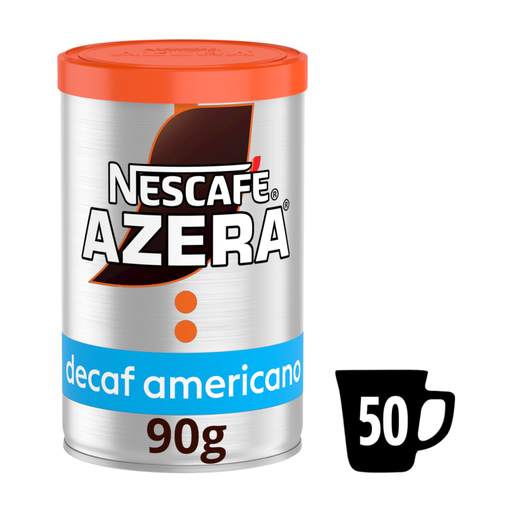 No image available
An instant decaf option prepared with hot water rather than a ground-coffee bag. The pack is 90g; check its label if residual caffeine matters to you.
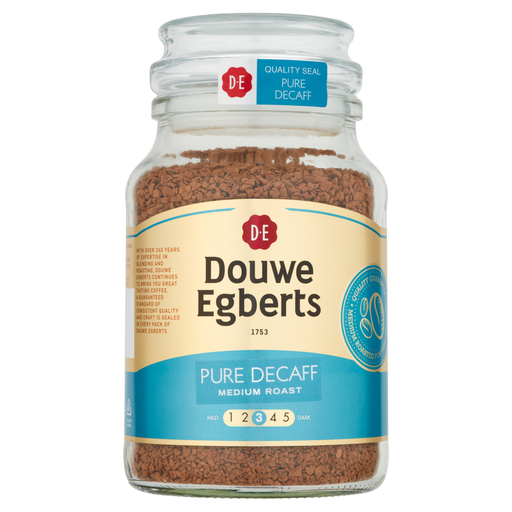 No image available
A 190g instant-coffee option, not a portioned coffee bag. Check the pack’s caffeine information if the residual amount affects your choice.
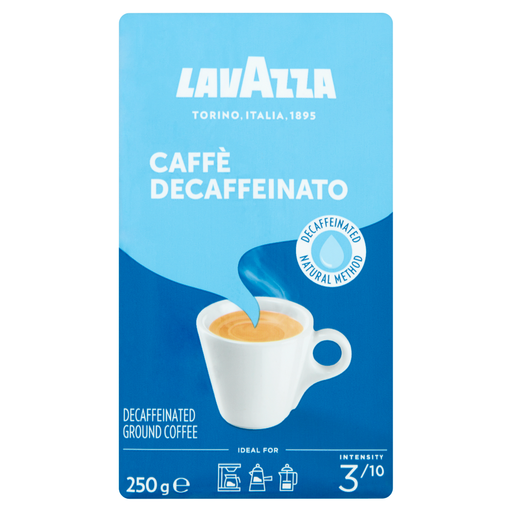 No image available
A 250g loose ground-coffee option rather than a coffee bag. Check the preparation instructions and whether the grind suits your brewing method.
 No image available
A 300g soluble decaf coffee option for shoppers who do not need individual ground-coffee bags. Check the pack’s preparation and caffeine information for your requirements.
No. Tesco describes PG Tips pyramid decaf bags as tea, whereas its Taylors Decaffé listing describes ground coffee in bags. Check the drink category rather than using bag shape to identify the contents.
Taylors Decaffé coffee bags are described by Tesco as working like tea bags, but with ground coffee, so that product is intended for a mug-brew routine. Follow the preparation instructions on the pack you buy.
Not necessarily. Nescafé’s UK information says decaffeinated coffee is not completely caffeine-free. Check the individual product’s information if its residual caffeine affects your choice.
M&S specifies cool, dry storage for its Decaffeinated Coffee Bags. Follow the instructions on the particular pack, including any directions that apply after opening.