Shoppers with brewing equipment
If you use a cafetière, filter brewer or another suitable set-up, ground decaf lets you compare producers’ stated origins, bean types and flavour notes. Whole beans also require a grinder.


Choose ground decaf or whole beans if you have suitable brewing equipment and want to select by origin, roast and the producer’s flavour description. Choose instant when a quick mug matters more than control over brewing; if you want an instant product containing finely ground coffee, check its exact ingredients rather than assuming every decaf blend is made the same way.
The useful starting point is how you make coffee, not whether a pack describes its blend as premium.
If you use a cafetière, filter brewer or another suitable set-up, ground decaf lets you compare producers’ stated origins, bean types and flavour notes. Whole beans also require a grinder.
Instant decaf fits a hot-water routine. If the composition matters to you, look for an exact-product ingredient list: Kenco describes Millicano Decaff as instant coffee blended with finely milled whole beans, while M&S lists both instant and finely ground roast coffee in its Decaf Americano.
Check the named product for disclosures that matter to you, such as Arabica and Robusta composition, a stated origin or a water-decaffeination process. A process claim for one coffee does not describe every decaf from that brand.
Pick a preparation format first, then compare the blend details and pack instructions within that format.
| Priority | What to check | Your needs |
|---|---|---|
| Preparation format | Check whether the coffee is ground, whole-bean or instant. For ground coffee or beans, check that you have a suitable brewer and, for beans, a grinder. | I want a brewing routine I will actually use: a quick mug, or time to prepare coffee with my equipment. |
| Blend and flavour | Compare the stated roast, bean composition, origin and flavour notes for the exact product. Treat flavour notes as the producer’s description, not a guaranteed result in every cup. | I have a flavour direction in mind and would rather compare named blends than assume all decaf tastes alike. |
| Ingredients and process | Read the ingredient list if you want to distinguish plain soluble coffee from instant blends containing finely ground coffee. Check whether a water-decaffeination statement applies to the product you are buying. | Knowing what is in this particular blend matters more to me than a general claim about decaf. |
| Pack information | Check the current pack for storage instructions and any allergen declaration. Confirm the pack size when comparing products you will use at different rates. | Before buying a larger pack or trying a new format, I want to know how to store it and whether its label meets my requirements. |
Ground coffee needs a compatible brewer, and whole beans need a grinder as well. An instant product, meanwhile, will not give you the same choices over grinding and brewing.
Settle on the preparation method you can use regularly, then compare roast, origin and flavour descriptions within that format.
A decaf label should not be treated as a promise that the finished coffee contains no caffeine. A named water-decaffeination process also does not establish how every other blend is processed or how it will taste.
If a particular caffeine limit matters to you, check the exact product information rather than relying on the word “decaf” alone.
Storage directions and allergen declarations are product-specific, so a familiar brand name or coffee format is not a substitute for reading the pack.
Check the label for the variant and pack size you are buying, particularly if you have an allergy requirement.
These examples show the kinds of product details brands publish; they do not indicate that every product in a range has the same composition or is listed below.
Gold Blend Decaf is an instant option for shoppers comparing a named blend with a stated decaffeination method.
Kenco lists both a conventional Decaf instant blend and Millicano Decaff, which has a different stated composition.
Taylors Decaffé provides a brewed-coffee reference for shoppers interested in process and flavour descriptions.
The named M&S decaf products illustrate both a single-origin ground coffee and an instant blend containing finely ground roast coffee.
Tesco’s decaf category provides examples across instant, ground coffee, beans, pods and sachets.
Sainsbury’s listings offer own-label instant decaf alongside branded products, with separately named ground-coffee options.
These options cover an instant decaf, ground coffee, whole beans and a decaf Americano product. Choose by the preparation format shown for each item, then check the current pack for any blend details important to you.
 No image available
For a quick-cup routine. The Joybuy product information identifies this 190g coffee as decaffeinated soluble coffee; NESCAFÉ describes Gold Blend Decaf as an Arabica-and-Robusta blend decaffeinated using water.
 No image available
A 200g ground-coffee option for a routine with a suitable brewer. If a particular roast or flavour description matters, confirm it on the pack of this product.
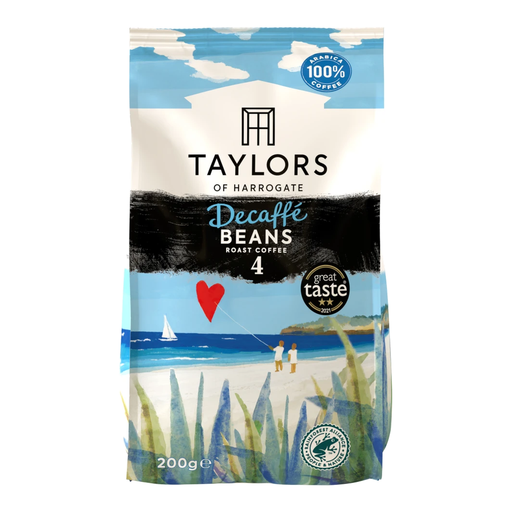 No image available
A 200g whole-bean decaf option if you have a grinder and compatible brewing equipment. Check the pack’s preparation and post-opening storage directions for this bean product.
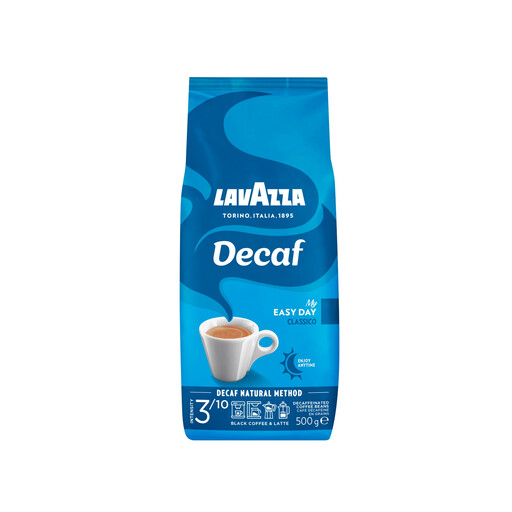 No image available
A 500g whole-bean pack for use with a grinder and suitable brewer. If bean composition is decisive for you, check the current pack before choosing it.
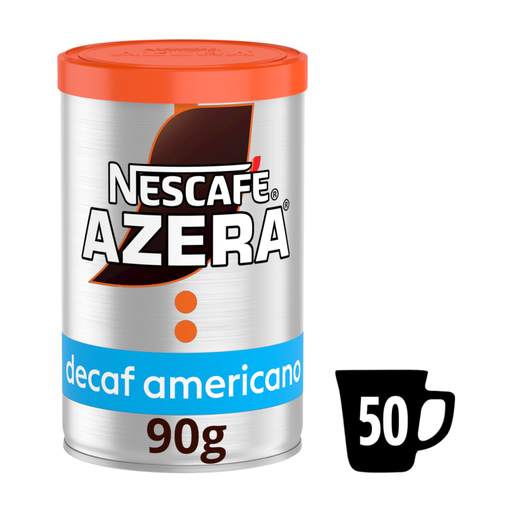 No image available
A 90g decaf Americano option for shoppers considering a quick-cup routine. Check the exact pack ingredients if the proportion of soluble and roast-and-ground coffee affects your choice.
Choose ground coffee if you have a suitable brewer, or beans if you also have a grinder and want to prepare them yourself. Choose instant for a quicker mug; if you want some finely ground coffee in an instant blend, confirm that ingredient on the exact product.
No: do not treat “decaf” as a guarantee of zero caffeine. If the amount matters for a specific requirement, check information for the exact coffee rather than assuming all decaf formats are identical.
No. NESCAFÉ describes Gold Blend Decaf as water-decaffeinated, and Taylors describes a Pure Water Process for Decaffé, but those are statements about named products. You still need to choose a preparation format and compare the blends’ stated characteristics.
Follow the instructions on the particular pack. Check them before opening a larger quantity, rather than applying one ground coffee’s storage directions to every decaf blend.
No. Read the current ingredient and allergen declaration for the exact product and pack size; “instant”, “ground” and “decaf” do not replace that check.