Travellers brewing before departure or at their destination
Whole beans make sense when you can use a grinder and a compatible brewer at home or where you are staying. Check the particular beans against the brewing method you will use.


Choose decaf whole beans if you can grind and brew them before departure or at your destination; they are not a ready-to-drink option for the train. If you want coffee during the journey without brewing equipment, bring a prepared drink or consider a decaf coffee bag or instant coffee instead. For beans, check the pack size, brewer compatibility and any stated caffeine limit rather than assuming all decaf products suit the same plans.
Whole beans make sense when you can use a grinder and a compatible brewer at home or where you are staying. Check the particular beans against the brewing method you will use.
Decaf does not necessarily mean caffeine-free. If a stated limit matters to your choice, check the individual product label rather than applying another coffee’s specification to it.
Consider how many brews you plan to make and whether the bag will be convenient to carry and store after opening. Roast and producer-described flavour notes can help narrow the choice once the preparation method is settled.
Decide when you want to drink the coffee and what equipment you will have; then compare beans by the details that matter for that plan.
Choose when: You can grind and brew coffee before departure or at your destination.
Trade-off: Beans need equipment and preparation, so they cannot provide an immediate drink on their own.
Choose when: You want a drink on the train but will not have a grinder and brewer.
Trade-off: A prepared drink or another decaf format avoids grinding beans, but any preparation it needs must still be possible during your journey.
| Priority | What to check | Your needs |
|---|---|---|
| Preparation | Identify where you can grind the beans and which brewer you can use. If you need coffee on the train, check what preparation an alternative format requires. | I want a drink during the journey, so beans only fit my plans if I can brew before boarding. National Rail says passengers may bring their own food and drink; onboard catering varies by service. |
| Caffeine information | Read the limit stated for the exact product, if there is one. The illy UK listing for its 250 g decaf whole beans states no higher than 0.1% caffeine; that figure does not describe other beans. | If I am keeping track of caffeine, I need the specification for the coffee I actually buy, not an assumption that decaf contains none. |
| Brew and flavour | Check the producer’s recommended brewing methods and roast or flavour description. Union Coffee recommends its Decaf Blend primarily for espresso or bean-to-cup brewing, while Lavazza lists several methods for Decaf Intenso. | My destination brewer and preferred flavour direction matter more to me than a flavour description that does not suit how I make coffee. |
| Pack and storage | Match the bag weight to the brews you expect to make and follow its instructions after opening. The Waitrose listing for Taylors Decaffé Beans advises resealing and using them within two weeks. | For a short stay, I would rather carry a quantity I can use than take a larger bag simply because I plan to make coffee once or twice. |
Whole beans need grinding and a suitable brewing method; they cannot be made into a drink by adding hot water to the beans.
Work out where you will grind and brew. For coffee on the train itself, consider bringing a prepared drink or choosing a format you can prepare with the facilities available.
Product-specific limits can describe residual caffeine: illy UK states no higher than 0.1% for its decaf whole beans, not zero.
Check the label of the particular coffee if its caffeine specification affects your decision.
An opened bag needs to be stored according to its instructions. Waitrose advises resealing Taylors Decaffé Beans and using them within two weeks of opening.
Choose a pack for the brews you plan to make, and check its own storage guidance before travelling.
National Rail notes that catering differs between operators and services, so a coffee purchase may not be possible on your train.
Check your service if catering matters, or bring a drink with you; National Rail says passengers may bring their own food and drink.
Lavazza Decaf Intenso is a whole-bean option to consider when brewing before travel or at a destination.
illy’s 250 g decaf whole beans may interest buyers who want a stated caffeine maximum.
Taylors Decaffé Beans offer a 200 g option for a traveller planning to brew during a short stay.
Union Decaf Blend is worth checking if you expect to use an espresso machine or bean-to-cup brewer at your destination.
M&S lists both whole-bean decaf and formats that may be easier to prepare during a journey.
Waitrose No.1 Organic Fairtrade Peru Decaf Coffee Beans are a 227 g whole-bean option.
These whole-bean decaf options are for brewing before departure or at your destination, where you can use a grinder and a suitable brewer.
 No image available
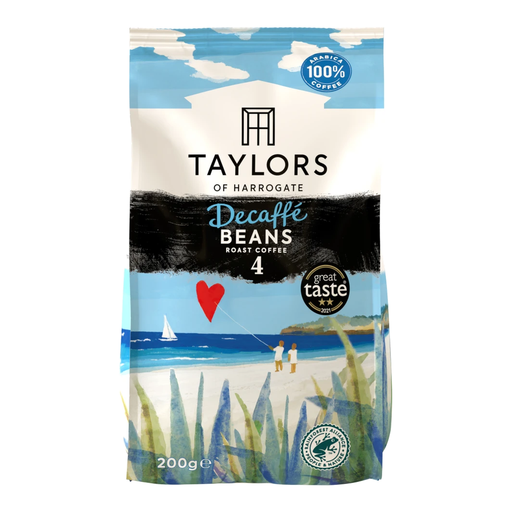
The 200 g whole-bean bag is an option when you plan to make a few decaf brews during a stay. Taylors describes these beans as 100% Arabica, with caramel and malt notes and a water-based decaffeination process. You will need a grinder and a compatible brewer; check the pack for preparation guidance and a caffeine specification if those details matter to you.
 No image available
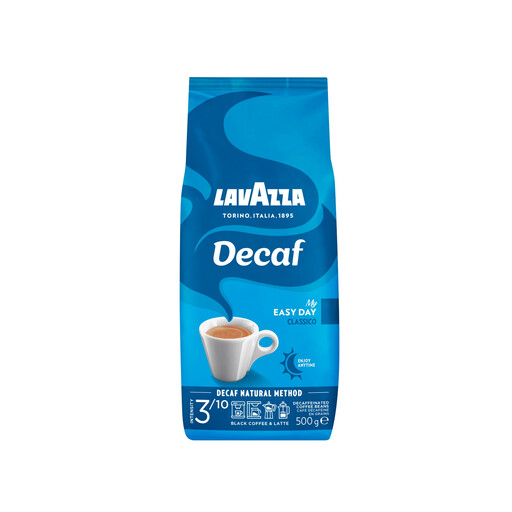
This 500 g whole-bean bag may suit repeated brewing during a longer stay, but is more to carry if you only plan a few cups. Its product description states caramel and chocolate notes, a carbon-dioxide decaffeination process and cool, dry, airtight storage guidance. You will need a grinder and brewer; check the pack for compatible preparation methods and a caffeine specification if required.
Yes. National Rail says passengers are welcome to bring their own food and drink. If you intend to buy coffee onboard instead, check your service because catering availability varies.
Only if you have a way to grind the beans and brew the ground coffee. If you will not have that equipment, brew before boarding or consider a decaf format you can prepare during the journey.
No. For example, illy UK states that its decaf whole beans contain no higher than 0.1% caffeine. Check the exact coffee you intend to buy; that product-specific figure cannot be applied to every decaf bean.
Follow the instructions on its pack. For Taylors Decaffé Beans, the Waitrose listing advises resealing the bag, storing it somewhere cool and dry, and using the beans within two weeks after opening.