What should you check?
Start with the flavour you want after dinner, then make sure the format fits your equipment and preparation time. Treat caffeine as a separate question from taste.
Ground decaf or beans
Choose when: You want to brew a cup described as rich or full-bodied and have a suitable brewing method.
Trade-off: Beans also need grinding, and either format takes more preparation than instant coffee.
Instant decaf
Choose when: You want a quick post-dinner cup without a brewer; look for an explicitly bold flavour description if intensity matters.
Trade-off: Instant options vary in flavour description, so convenience alone does not identify an extra-bold cup.
| Priority |
What to check |
Your needs |
| Flavour profile |
Read the roast and tasting description. Taylors of Harrogate calls Rich Italian Decaf rich and full-bodied, with chocolate and almond notes; M&S describes its Roast & Ritual beans as deep, rich and bold. |
I want a pronounced coffee flavour to finish dinner, rather than choosing decaf on the label alone. |
| Preparation |
Check whether the product is instant, ground coffee, beans or capsules. Beans need grinding and brewing; ground coffee needs a compatible brewer, while capsules need the stated machine system. |
After a long meal, I might prefer a cup made with hot water. If I have time and equipment, I can choose a brewed coffee instead. |
| Strength wording |
Use strength numbers and terms such as intense to assess the intended flavour. NESCAFÉ says coffee strength scales generally describe flavour intensity rather than caffeine content; scales need not be equivalent across brands. |
A darker-tasting cup appeals to me, but I do not want to mistake its strength label for a caffeine figure. |
| Caffeine |
Check product-specific information if you need to monitor caffeine. A decaf description does not mean zero caffeine, and a stated water-decaffeination process does not establish the amount left in the finished product. |
I am choosing decaf for an evening drink and need to account for any caffeine from this cup alongside other sources. |
Brand and product-line references
These descriptions concern the named products, not every coffee from each brand; flavour terms are the makers’ descriptions rather than a shared strength scale.
Taylors of Harrogate
Taylors describes Rich Italian Decaf as rich and full-bodied, with chocolate and almond notes, and says it uses a water decaffeination process.
- The named coffee has a flavour description that speaks directly to a fuller-tasting after-dinner cup.
- Those tasting notes do not provide a standardised comparison with another brand’s intensity scale or a caffeine amount.
M&S
M&S describes Roast & Ritual Decaf Coffee Beans as deep, rich and bold. Its Gold Decaf Instant Coffee is described as a medium-roast, freeze-dried option.
- The two named products offer different formats and stated flavour profiles.
- The medium-roast instant description should not be treated as an extra-bold claim.
NESCAFÉ
NESCAFÉ describes Original Decaf as an instant coffee with bold, intense taste and aroma, made from beans decaffeinated using water.
- The named instant coffee combines hot-water preparation with an explicitly bold flavour description.
- The strength wording describes flavour, not a measured caffeine content.
Kenco
Kenco describes its Decaf as a medium-roast instant blend with a balanced flavour.
- The stated profile gives shoppers a way to choose a medium, balanced instant coffee.
- That description is less directly aligned with a request for an extra-bold cup.
Tesco Finest
Tesco’s grocery listing identifies Finest Decaffeinated Colombian Ground Coffee and Decaffeinated Colombian Coffee Beans.
- The named products give shoppers ground-coffee and bean formats to consider.
- Check the current pack or detailed description for the roast and flavour profile before choosing either for an extra-bold cup.
Decaf coffee options on Joybuy
These options include instant coffee for a quick cup, capsules for a compatible machine and beans for home brewing. Check each format and flavour description against the after-dinner cup you want.
 No image available
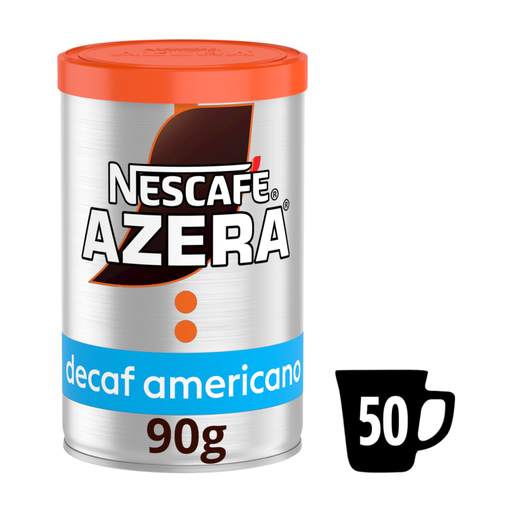
NESCAFÉ Azera Decaf Americano 90g
Consider this instant decaf if you want a post-dinner cup without brewing equipment. Check its flavour description against your preference for a bold cup; decaf does not mean caffeine-free.
View on Joybuy
 No image available
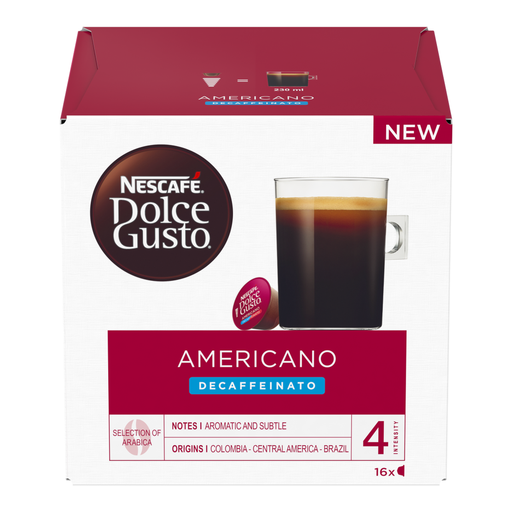
NESCAFÉ Dolce Gusto Americano Decaf, 16 capsules, 128g
A portioned after-dinner option if you have a compatible Dolce Gusto machine. Its flavour description does not establish an extra-bold strength level; check that it suits your taste before choosing capsules over another format.
View on Joybuy
 No image available
NESCAFÉ Original Decaff Coffee 300g
This decaf coffee offers a straightforward instant format for a cup after dinner. If a specifically dark or extra-bold flavour matters, check the pack’s roast and tasting description rather than relying on the format.
View on Joybuy
 No image available
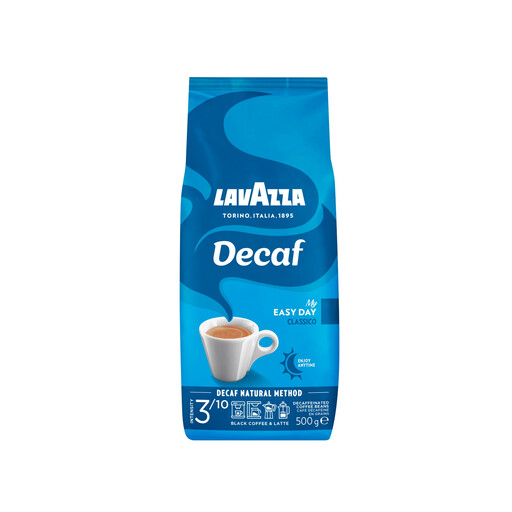
Lavazza Decaffeinated Coffee Beans 500g
These decaffeinated beans suit a slower after-dinner preparation if you can grind and brew them. Check the flavour description if a distinctly extra-bold profile is essential to your choice.
View on Joybuy
 No image available
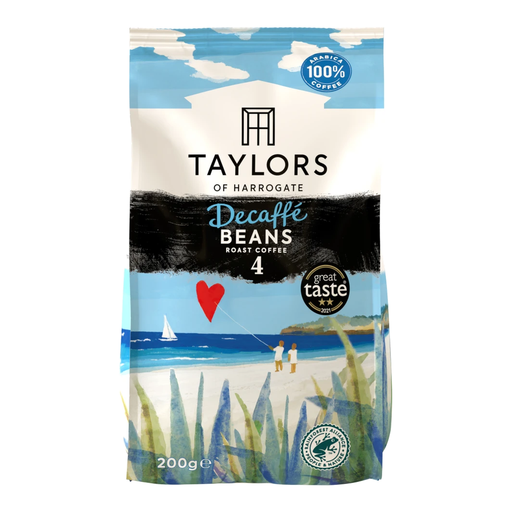
Taylors Decaf Coffee Beans 200 g
Choose this bean format only if you have a grinder and suitable brewing method. Check the exact pack’s flavour profile if boldness is important: the product descriptions differ between smooth and balanced, and rich and full-bodied.
View on Joybuy
Frequently asked questions
Does stronger-tasting decaf contain more caffeine?
Not necessarily. NESCAFÉ says coffee strength numbers generally describe flavour intensity rather than caffeine content. If caffeine matters to your choice, check information for the exact coffee instead of using its roast or strength label as a measure.
Can decaf coffee still contain caffeine?
Yes. Decaffeination removes caffeine but does not necessarily remove all of it. A bold decaf flavour is not evidence of a higher caffeine amount, and a decaf label is not a substitute for product-specific information when you need to monitor intake.
What should I choose for a quick coffee after dinner?
Choose instant decaf if you want preparation with hot water and no brewer. If you also want a bold flavour description, NESCAFÉ calls Original Decaf bold and intense; Kenco describes its Decaf as medium and balanced.
Should I choose ground decaf or beans for a fuller-tasting cup?
Either format can fit a slower after-dinner brew if you have the right equipment; beans also need grinding. For flavour cues, Taylors of Harrogate describes Rich Italian Decaf as rich and full-bodied, while M&S describes Roast & Ritual Decaf Coffee Beans as deep, rich and bold. Those descriptions are not standardised strength measurements.


