After-dinner coffee drinkers
Decaf offers a way to keep a coffee-flavoured hot drink in an evening routine while reducing caffeine. If a clinician has set an intake limit, check the individual product rather than assuming decaf contains none.


Choose instant decaf for a winter coffee made with hot water alone; choose ground coffee, beans or coffee bags if preparation and a stated flavour profile matter more than speed. Decaf does not necessarily mean caffeine-free, so anyone following a clinician-set caffeine limit should check the individual product and seek advice on their intake.
The useful distinction for a winter cup is how much preparation you want, alongside the type of coffee you enjoy.
Decaf offers a way to keep a coffee-flavoured hot drink in an evening routine while reducing caffeine. If a clinician has set an intake limit, check the individual product rather than assuming decaf contains none.
Instant decaf needs hot water but no brewer. Coffee bags offer a brewed format without a machine, with more time needed for steeping.
Ground coffee and beans make sense when you have suitable equipment and want to choose by a stated roast, bean type or flavour description. Coffee bags are another option when you want to brew directly in a mug.
Decide how you will make the drink first, then compare descriptions and pack details within that format.
| Priority | What to check | Your needs |
|---|---|---|
| Caffeine | Check that the exact product is decaffeinated; do not read “decaf” as a zero-caffeine statement. Follow individual clinical advice if an intake limit applies. | I want a coffee-flavoured drink while reducing caffeine, but I need to account for other sources of caffeine too. |
| Preparation | Instant coffee needs hot water. Check steeping instructions for coffee bags and equipment requirements for ground coffee or beans. | Some evenings I want a mug with little preparation; on others, making the coffee is part of the occasion. |
| Flavour | Compare the named product’s roast, bean type and flavour description. Treat tasting notes as the maker’s description, not a promise about personal preference. | I would rather choose a stated flavour direction than assume every decaf will taste alike. |
| Pack details | Check the pack weight, ingredients and preparation instructions for the exact format. Read the current label when an allergen or dietary restriction matters. | A jar of coffee and a cappuccino sachet mix meet different needs; I want to know which one I am buying. |
Nescafé describes its Original Decaf as coffee with most of the caffeine removed, not all of it. That distinction matters when an individual caffeine limit applies.
Check the exact product and speak to your clinician or dietitian if you need guidance on how much caffeine you can have.
Ground coffee needs a suitable brewing method; whole beans also need grinding before brewing.
Check the equipment you have before choosing a format. For hot-water-only preparation, consider instant coffee or a coffee bag instead.
Ingredients and allergen details can differ between plain coffee and a mixed drink such as a cappuccino sachet.
Read the current label for the exact product, particularly if you need to avoid an ingredient.
These named ranges illustrate different decaf formats and product descriptions; a brand name alone does not establish how every coffee in its range is made or tastes.
A reference for soluble decaf when a drink made with hot water is the priority.
An instant-decaf reference for someone choosing by a stated flavour description.
A reference for decaf coffee bags and beans when brewing is part of the routine.
An own-label reference for comparing instant and ground decaf formats.
An own-label reference spanning instant decaf and whole beans.
A ground-coffee reference for choosing by a more specific stated profile.
These options cover quick-to-prepare instant decaf, ground coffee and beans for a slower brew, plus a decaf cappuccino sachet mix. Choose the format before comparing individual packs.
 No image available
An instant decaf option for a mug made with hot water. Nescafé says Gold Blend Decaf uses water decaffeination; do not assume that means the finished coffee contains no caffeine.
 No image available
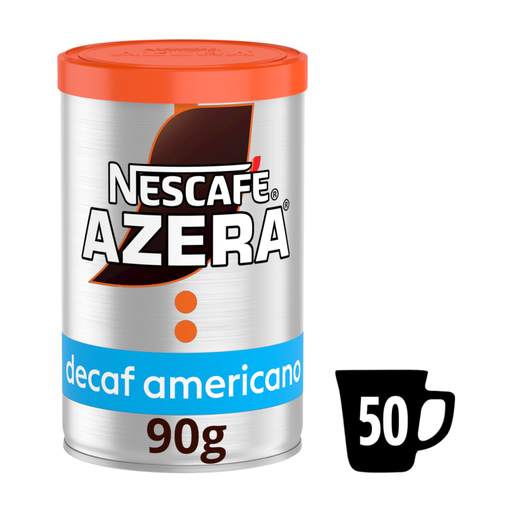
A decaf Americano option for someone choosing an instant-style winter drink. This is a 90g pack; check its preparation instructions and current label for the exact product.
 No image available
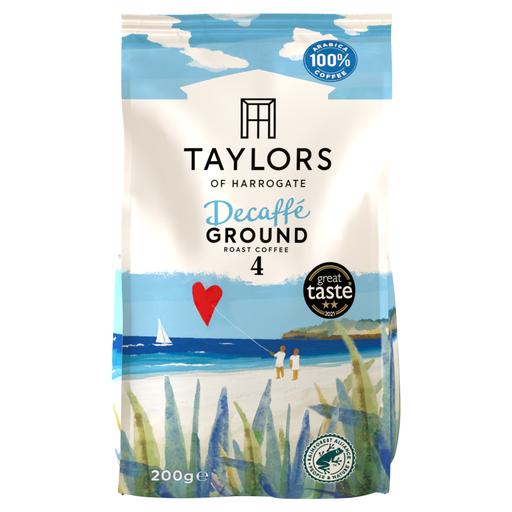
Ground decaf for a more deliberate brew rather than hot-water-only preparation. Check that its grind and brewing instructions suit your equipment.
 No image available
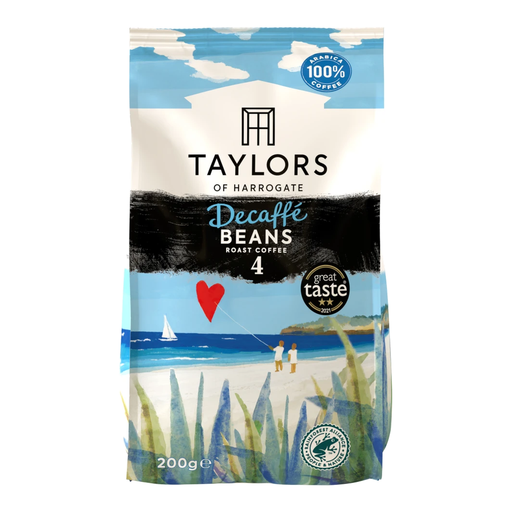
Decaf beans for someone who wants to grind coffee as part of making the cup. Plan for a grinder and a suitable brewing method before choosing whole beans.
 No image available
A decaf cappuccino mix in seven sachets rather than a jar of plain coffee. It contains milk; check the current ingredients and allergen label if that affects your choice.
Do not assume it is. Nescafé describes its Original Decaf as having most of the caffeine removed. If you follow a clinician-set limit, check the exact product and ask your clinician or dietitian for individual guidance.
Instant decaf is the straightforward choice when you have hot water but no brewer. Coffee bags also brew in a mug; Taylors specifies a four-minute brew for its Decaffé bags. Ground coffee and beans need suitable equipment, with beans requiring grinding.
Use descriptions for the exact product as a starting point, not a guarantee of taste. Taylors describes caramel and malt notes for Decaffé, while M&S describes caramel and blackcurrant notes for its Colombian decaf ground coffee.
Check the format, pack weight, preparation instructions and current ingredients. Read the allergen information particularly carefully for a mixed drink such as a cappuccino sachet, rather than assuming it has the same ingredients as plain coffee.