Commuters with only a kettle
If hot water is available but a coffee machine is not, instant coffee offers a straightforward preparation route. An individual coffee bag is another option when there is a cup and time to steep it.


A 240-bag box is worth considering only if the listing confirms 240 individual decaf coffee bags and there is hot water and time to steep them. For quicker preparation, consider instant decaf in a jar or pre-portioned sachets; pods require a compatible machine. A weight in grams is not a bag count.
If hot water is available but a coffee machine is not, instant coffee offers a straightforward preparation route. An individual coffee bag is another option when there is a cup and time to steep it.
For a shared kitchen or reception area, confirm the number and type of portions before ordering. A jar’s weight does not tell you how many individually wrapped servings it contains.
Decaf does not mean caffeine-free. If the amount of caffeine matters, check information for the specific product rather than relying on its format or the word ‘decaf’ alone.
Start with the equipment at the destination, then check what the pack actually contains and how each cup is prepared.
| Priority | What to check | Your needs |
|---|---|---|
| Preparation | Check whether the product needs only hot water, time to steep, or a compatible pod machine. For instant coffee, check the preparation instructions and whether a spoon is needed. | I have hot water at my destination, but I may not have a coffee machine or time to steep a bag. |
| Pack quantity | Check whether ‘240’ counts individual coffee bags, sachets or capsules, describes an outer case, or is a weight in grams. Confirm the quantity on the product or case specification. | For a shared workplace, I need a clear portion count so I can plan how much to order. |
| Drink style | Distinguish a steeped coffee bag from instant coffee and a cappuccino sachet. Check the ingredients and preparation instructions if you want plain black coffee. | I want the drink in the pack to match the cup I plan to make, not just carry a decaf label. |
| Caffeine | Do not read ‘decaf’ as a zero-caffeine guarantee. Check product-specific information when residual caffeine matters. | I’m choosing decaf, but I still need to know whether any remaining caffeine is relevant to me. |
Pack count and net weight describe different things. Sainsbury’s lists Taylors decaf coffee bags as a 10-bag pack, while Nescafé lists Original Decaf jars by weight, including 300g.
Before a bulk order, check the exact unit beside the number and the number of individual portions in any outer case.
A coffee bag needs steeping time; instant coffee and machine pods require different preparation setups. A pod is not a substitute for a bag when only a kettle is available.
Check what equipment is available where the coffee will be made, then read the pack’s preparation instructions.
Decaffeinated coffee may retain some caffeine, so the label alone cannot establish a zero-caffeine drink.
Check the specific product if its caffeine content is important to your decision.
A listed pack of coffee bags or a jar size does not establish the quantity in a catering case.
Confirm the case contents, pack dates and delivery details for the order you intend to place.
These brand examples show formats to compare; a named range does not establish that it comes in a 240-bag case.
Nescafé lists Original Decaf instant coffee in 100g, 190g and 300g sizes and includes a decaf cappuccino sachet in its UK range.
Kenco describes Kenco Decaf as instant coffee and Millicano Decaff as a blend of instant coffee and finely milled whole beans.
Sainsbury’s lists Taylors of Harrogate Decaffe Ground Coffee Bags in a 10-bag pack, alongside 200g ground decaf coffee.
Sainsbury’s decaf assortment includes own-label instant coffee granules in a 200g format, as well as other coffee formats.
M&S describes its decaffeinated coffee bags as individually wrapped and single-serve, and also lists a Decaf Americano Micro-Ground Instant Coffee.
These options cover pre-portioned decaf cappuccino sachets and instant decaf coffee for a hot-water setup. Check the pack quantity separately if you need 240 individual coffee bags.
 No image available
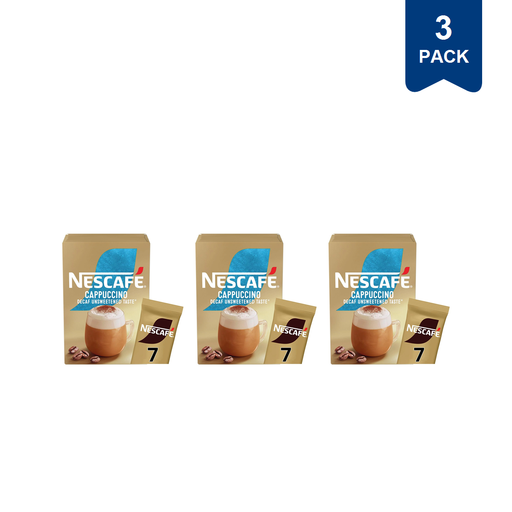
Pre-portioned sachets suit a hot-water setup when a cappuccino-style drink is wanted. This is three packs of seven sachets, not a 240-bag coffee case; check the ingredients if milk is unsuitable.
 No image available
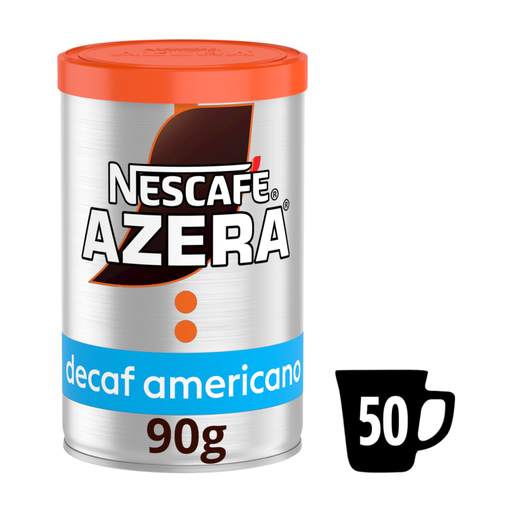
An instant decaf option for making coffee with hot water. The 90g tin gives a net weight, not a count of individual bags or a fixed number of servings; check the dose when planning shared use.
 No image available
Instant coffee for a setup with hot water and a spoon. The product instructions specify 1–2 teaspoons per cup; the 100g weight does not establish a 240-portion case.
 No image available
Decaffeinated soluble coffee for preparation with hot water. The 190g jar is measured by weight rather than by individual bags; check the intended dose to plan workplace quantities.
 No image available
Decaffeinated soluble coffee for preparation with hot water. The 300g jar is not a box of 300 bags or proof of a particular serving yield; check the dose and required quantity for shared use.
No. Decaffeinated coffee can retain some caffeine. Check information for the specific product if the remaining amount matters to you.
No. Grams measure net weight; a 240-bag claim must count individual coffee bags. Check the unit and outer-case contents before ordering for a workplace.
Instant decaf works with hot water, following the pack’s preparation instructions. An individual coffee bag is another option if you have a cup and time to steep it; pods need a compatible machine.
Follow the storage instructions on the actual pack. M&S instructs buyers to keep its decaffeinated coffee bags in a cool, dry place; check the date marking when ordering stock for shared use.
No. A cappuccino sachet is a different drink style. Check its ingredients, allergen information and preparation instructions if you want plain black decaf or need to avoid a particular ingredient.