Cream tea hosts seeking a gentler pairing
If you are serving scones, jam and clotted cream, smooth caramel or malt notes give you a sweet-leaning direction to consider. Choose a darker, more assertive profile when that is what your guests prefer.


For a traditional cream tea, start with decaf beans described as smooth with caramel or malt notes, such as Taylors Decaffé; illy offers a sweeter, more floral alternative. A darker, fuller-bodied coffee may suit a spread with richer bakes or guests who want the coffee to stand out. Whole beans need grinding, and decaf does not necessarily mean caffeine-free.
If you are serving scones, jam and clotted cream, smooth caramel or malt notes give you a sweet-leaning direction to consider. Choose a darker, more assertive profile when that is what your guests prefer.
Decaf lets you choose freshly ground coffee without assuming the beans contain no caffeine. If residual caffeine matters, check the exact product statement: illy says its listed decaf whole beans contain no higher than 0.1% caffeine.
Whole beans let you grind for your equipment. For its No.1 Peru decaf beans, Waitrose advises a coarse grind for cafetière, medium for filter and fine for espresso or moka pot.
Start with the flavour you want beside the scones, then check caffeine information, your brewing setup and how you will store an opened pack.
| Priority | What to check | Your needs |
|---|---|---|
| Flavour | Read the stated tasting notes rather than relying on the roast name alone. Waitrose & Partners describes Taylors Decaffé as smooth with caramel and malt; Union describes its dark-roast Decaf Blend as fuller-bodied with chocolate notes. | I want the coffee to sit alongside jam and clotted cream, not draw attention away from the scones. A darker cup would suit me if coffee is a more prominent part of the spread. |
| Caffeine | Check the statement for the exact beans. illy states that its listed decaf whole beans contain no higher than 0.1% caffeine; do not read “decaf” as a promise of zero. | If I am limiting caffeine, I want to know what the particular product says about residual caffeine. |
| Brewing | Confirm that you have a grinder and choose a grind for your brewer. Waitrose advises coarse for cafetière, medium for filter and fine for espresso or moka pot for its No.1 Peru decaf beans. | My brewing equipment determines whether whole beans are practical and how I need to grind them. |
| Freshness | Compare pack size with how often you brew, and follow the pack’s storage directions. Waitrose advises keeping its No.1 Peru decaf beans airtight and using them within two weeks of opening for the best taste. | I would rather choose a pack I can use while it still tastes as intended, especially if cream tea is an occasional gathering. |
Decaffeination does not tell you how the coffee will taste. The product descriptions range from the caramel and malt of Taylors Decaffé, listed by Waitrose & Partners, to the woody notes Lavazza gives for Decaf Intenso.
For a classic cream tea, compare the declared flavour notes first; choose a darker or brighter profile when you want that contrast.
Whole beans need to be ground before brewing, and the grind should suit the equipment you use.
Check that you have a grinder and select a suitable setting for your brewer.
If you do not have a grinder, using whole beans requires access to one.
A decaf label should not be treated as a zero-caffeine statement. illy says its listed whole-bean decaf contains no higher than 0.1% caffeine.
Read the caffeine statement for the product you intend to buy if residual caffeine affects your choice.
Storage directions can matter when you only serve coffee occasionally. Waitrose advises using its No.1 Peru decaf beans within two weeks of opening for the best taste.
Choose a pack size that suits your brewing habits, then close and store it as directed.
These descriptions concern particular decaf beans, not every coffee made by each brand.
A smooth, sweet-leaning direction for a traditional cream tea.
An aromatic alternative if you want sweetness alongside floral notes.
A darker decaf direction when you want the coffee to be more prominent.
A fuller-bodied route for guests who prefer a pronounced coffee flavour.
A brighter flavour direction for shoppers who want contrast.
A decaf whole-bean option to compare by its pack details.
These whole-bean decaf options offer a smoother caramel-and-malt direction or a richer caramel-and-chocolate direction for serving coffee with cream tea.
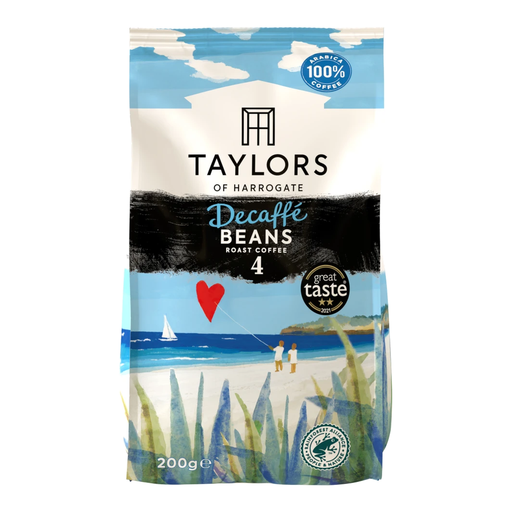 No image available
Consider these for a gentler cream tea pairing: the listing describes smooth, balanced beans with caramel and malt notes. This is a 200 g pack of whole beans, so you will need a grinder. The listing advises using the beans within two weeks of opening; check the product’s caffeine statement and suitability for your brewer if either matters to you.
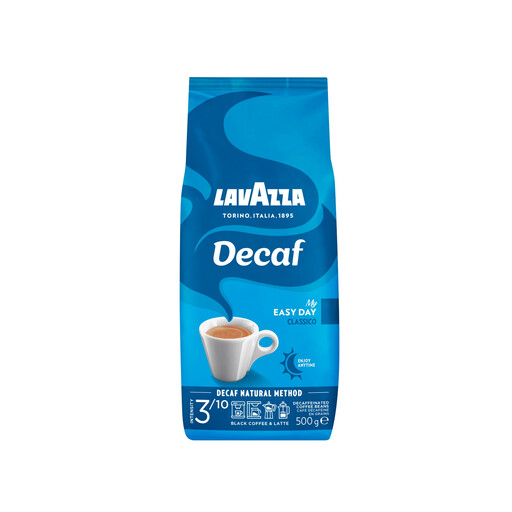 No image available
Consider this 500 g whole-bean pack if you want coffee to have a more pronounced place in the spread: its listing describes a rich, full-bodied cup with caramel and chocolate notes. You will need a grinder; check the product’s caffeine statement and suitability for your brewer if either matters to you.
Do not assume they are. illy states that its listed decaf whole beans contain no higher than 0.1% caffeine, so check the statement for the particular beans you plan to buy.
Yes, whole beans need grinding before brewing. For its No.1 Peru decaf beans, Waitrose advises coarse grinding for cafetière, medium for filter and fine for espresso or moka pot.
Follow the directions on the particular pack and close it properly after use. Waitrose advises storing its No.1 Peru decaf beans in an airtight container and using them within two weeks of opening for the best taste.
Check that you are buying decaf whole beans, then read the quantity, date marking and storage directions. GOV.UK’s food-labelling guidance also identifies the food name and ingredients, including allergens where applicable, as label information to check.