People with diabetes choosing an everyday coffee
Diabetes UK recommends unsweetened coffee. A plain jar lets you decide separately whether to add milk, sugar or syrup; the finished drink, rather than a “diabetic” label, is what you need to consider.


Choose a plain decaf instant coffee jar by checking its ingredients, then consider everything added to the mug; Diabetes UK recommends unsweetened coffee rather than treating a “diabetic” label as a shortcut. NESCAFÉ lists 0.1g sugars for both Original Decaf and Gold Blend Decaf when each is made with one teaspoon of coffee and 200ml water, but that figure does not cover milk, sugar or syrups, and decaf is not caffeine-free.
Diabetes UK recommends unsweetened coffee. A plain jar lets you decide separately whether to add milk, sugar or syrup; the finished drink, rather than a “diabetic” label, is what you need to consider.
An instant decaf jar offers a familiar way to make coffee with water, but NESCAFÉ notes that decaf still contains a small amount of caffeine. Check the product if avoiding caffeine is important to you.
Once you have checked the ingredients, compare the stated flavour profile and pack size. For example, Tesco lists an intensity rating of 7 for its 190g Kenco Decaf jar; that rating should not be assumed to apply to a different size or variant.
Check what is in the jar and the finished mug before choosing between flavour profiles or pack sizes.
| Priority | What to check | Your needs |
|---|---|---|
| Plain coffee | Read the ingredient list for decaffeinated instant or soluble coffee. Check whether a flavoured or premixed product contains other ingredients. | I want to choose what goes into my mug rather than start with a premixed drink. |
| The finished mug | Check the serving size and preparation behind any nutrition figure, then account separately for additions. NESCAFÉ lists 0.1g sugars for Original Decaf and Gold Blend Decaf made with one teaspoon and 200ml water. | If I add milk, sugar or syrup, I need to consider the drink I actually make—not just the water-only figure on a coffee page. |
| Caffeine | Check that the jar is decaffeinated, but do not read “decaf” as “caffeine-free”. NESCAFÉ says a small amount remains. | I am reducing caffeine; if I need to avoid it altogether, the decaf label alone does not answer that need. |
| Flavour and size | Compare the stated flavour description and jar weight for the exact variant. Tesco gives its 190g Kenco Decaf jar an intensity rating of 7. | A flavour description helps me narrow the choice, while the jar size helps me choose a format for my household. |
| Current label | Read the ingredients and nutrition panel on the jar you receive. Tesco cautions that food product information can change. | When the details matter to my own eating plan, I want to use the current pack rather than an earlier listing. |
NESCAFÉ says decaf retains a small amount of caffeine, so the name does not establish that a drink is caffeine-free.
If you need to avoid caffeine altogether, check the product and seek individual advice where a restriction is medically important.
The sugars NESCAFÉ lists for its plain Original and Gold Decaf coffees refer to mugs prepared with water as specified, not to milk, sugar or syrups added afterwards.
Consider additions separately. Diabetes UK recommends cutting back on sugar in tea or coffee and does not treat “diabetic” foods as a useful category.
A latte, flavoured or 3-in-1 mix is not necessarily the coffee-only jar you intended to buy; its ingredients need checking separately.
Read the actual pack’s ingredient list before choosing it as a plain decaf base.
Tesco notes that food product information can change, including ingredients and nutrition.
Recheck the label on the jar you receive, particularly if you use its nutrition information to plan a serving.
These examples describe particular instant decaf products, not every coffee sold under each brand.
Its Original Decaf and Gold Blend Decaf are plain soluble coffees with manufacturer nutrition figures for a specified water-only mug.
Tesco lists the 190g Kenco Decaf jar as decaffeinated freeze-dried instant coffee with an intensity rating of 7.
Tesco lists its Decaffeinated Classic Coffee 200g as a supermarket own-label instant coffee jar.
These instant decaf jars offer different brands and pack sizes for making a coffee you can customise. Check each current label and the ingredients you add to the mug.
 No image available
A 300g instant decaf jar for making a plain coffee before deciding on additions.
The Joybuy product information lists decaffeinated soluble coffee. NESCAFÉ lists 0.1g sugars for Original Decaf made with one teaspoon and 200ml water; added milk, sugar or syrup changes the finished mug.
 No image available
A 190g Gold Blend Decaf jar to consider if you prefer this NESCAFÉ variant.
NESCAFÉ describes Gold Decaf as 100% soluble coffee and lists 0.1g sugars for a mug made with one teaspoon and 200ml water. That figure does not include additions.
 No image available
This 100g Kenco jar is an option if you want plain decaf instant coffee rather than a premixed drink.
The Joybuy product information lists 100% decaffeinated instant coffee as its ingredient. Check the current pack’s nutrition panel and serving basis if you need to assess the drink you make; do not apply the flavour rating of Kenco’s separately listed 190g jar to this one.
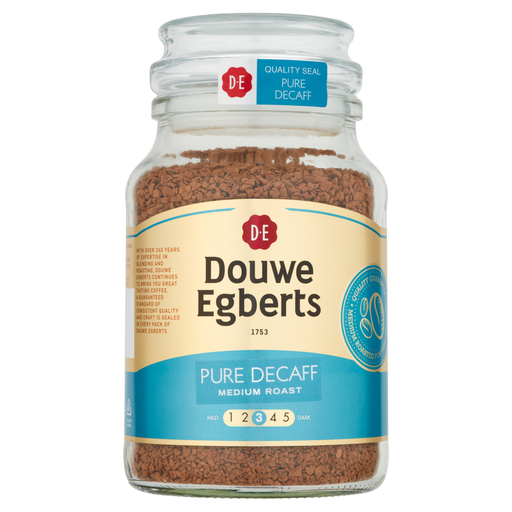 No image available
A 190g decaffeinated instant coffee jar for shoppers comparing plain coffee options.
Check the current pack’s ingredients, nutrition panel and preparation instructions against the serving you intend to make. Decaffeinated does not mean caffeine-free.
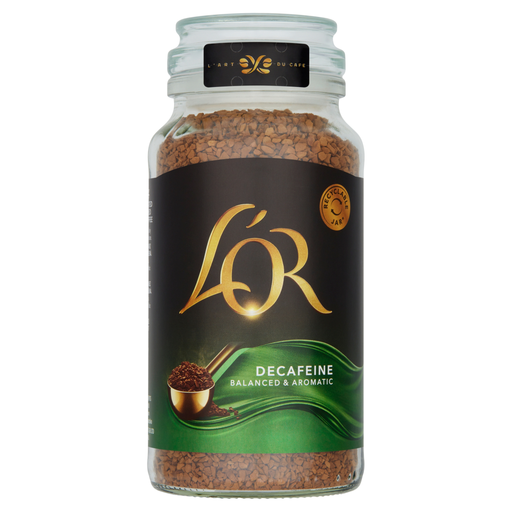 No image available
This 150g decaffeinated coffee is another jar size to compare for a customisable drink.
Check the current pack to confirm its ingredients, preparation instructions and nutrition for the serving you make. Any additions need considering separately.
No. Diabetes UK recommends unsweetened coffee and says there is no benefit to treating “diabetic” foods as a separate category. Check the ingredients and consider the complete drink, including anything you add, in the context of your own plan.
Start with the ingredient list to distinguish plain coffee from a mix, then check nutrition and its serving basis on the current pack. NESCAFÉ’s 0.1g sugars figure for Original Decaf, for example, applies to one teaspoon made with 200ml water—not to a mug with additions.
No. NESCAFÉ says decaf retains a small amount of caffeine. If avoiding caffeine altogether matters to you, do not rely on the word “decaf” alone; check the product and seek individual advice where needed.