Households making several quick cups
Soluble instant decaf is a starting point when coffee needs to be made with hot water rather than a separate brewer. A jar or refill may also fit a routine of repeated pantry purchases.


Choose soluble instant decaf for quick cups without brewing equipment. Microground instant retains that preparation method but includes finely ground roast coffee; ground coffee or whole beans suit households that already use a compatible brewer or grinder. For a repeat purchase, compare the stated roast and flavour notes, pack format and current label rather than assuming all decaf blends are alike.
Start with how the household makes coffee on an ordinary weekday; a blend is only useful if its preparation fits that routine.
Soluble instant decaf is a starting point when coffee needs to be made with hot water rather than a separate brewer. A jar or refill may also fit a routine of repeated pantry purchases.
Ground coffee and beans offer options with stated notes such as caramel or malt. Check whether the pack is ground coffee or whole beans before choosing it for an existing cafetière, filter machine or grinder.
Decaf should not be treated as a promise of zero caffeine. If avoiding caffeine entirely matters, check the current product information rather than relying on the word ‘decaf’ alone.
Choose it when: Quick, repeatable cups without a coffee maker matter most.
Trade-off: A familiar instant format does not tell you whether two jars have the same roast or bean blend.
Choose it when: You want instant preparation and a product that explicitly includes finely ground roast coffee.
Trade-off: Check the exact ingredients and pack label; the roast-coffee component does not establish how the finished cup will taste to you.
Choose it when: The household already uses a suitable brewer and, for whole beans, a grinder.
Trade-off: Brewing and, where needed, grinding add steps that instant coffee avoids.
Once the preparation method fits, use the pack details to distinguish blends and choose a quantity that suits your routine.
| Priority | What to check | Your needs |
|---|---|---|
| Preparation | Check whether the coffee is soluble instant, microground instant, ground or whole bean. For ground coffee, check the brewer; for beans, check the grinder too. | On busy weekdays, I want a cup I can make with the equipment I actually use. |
| Blend and flavour | Read the stated roast, bean mix and flavour notes for the exact product. Nescafé describes Gold Blend Decaf as a medium-roast Arabica and Robusta blend; Taylors describes its Decaffé beans with caramel and malt notes. | I would rather choose from a stated flavour direction than assume every decaf will taste alike. |
| Pack format | Check the pack weight, whether a refill needs a suitable container, and the storage directions after opening. | A pack that fits our usual coffee routine is more useful to me than one chosen by size alone. |
| Current label | Read the exact pack’s ingredients, allergen statement and caffeine-related wording, especially if any of those details affect your choice. | When a particular ingredient or complete caffeine avoidance matters, I need the information for the pack I am buying. |
A decaf label does not establish that a prepared cup contains no caffeine.
If you need to avoid caffeine entirely, check the current product information rather than treating ‘decaf’ as confirmation.
Whole beans need grinding and a suitable brewing method; ground coffee also needs an appropriate brewer.
Match the format to the equipment and preparation time the household will actually use during the week.
Pack details and retailer availability can change between weekly shops.
Check the current pack size, ingredients, allergen statement and availability for the exact product before checkout.
These examples show how differently labelled decaf formats can fit a weekly shop; the descriptions apply to the named products, not every coffee sold by each brand or retailer.
An instant-coffee reference for comparing classic soluble decaf with named blends.
An instant-decaf option with a separately listed refill format.
A reference for shoppers who prepare brewed decaf rather than soluble instant coffee.
A weekly-shop retailer whose decaf instant category brings together multiple pack options.
An own-label example of microground instant decaf.
A reference for comparing named ground-coffee and microground-instant formats.
These options cover instant decaf for quick cups, ground decaf for a suitable brewer and whole beans for households with a grinder and brewer. Choose by preparation method before comparing the named blends.
 No image available
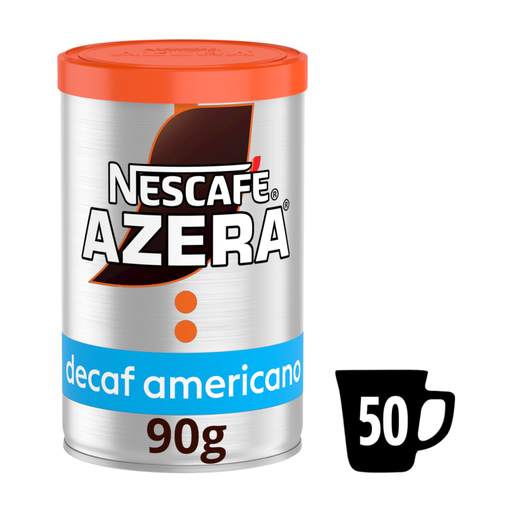
An instant-decaf option for cups made without a separate brewer. Nescafé describes Azera Americano Decaf as an Arabica and Robusta blend; check the current pack if its precise composition matters to you.
 No image available
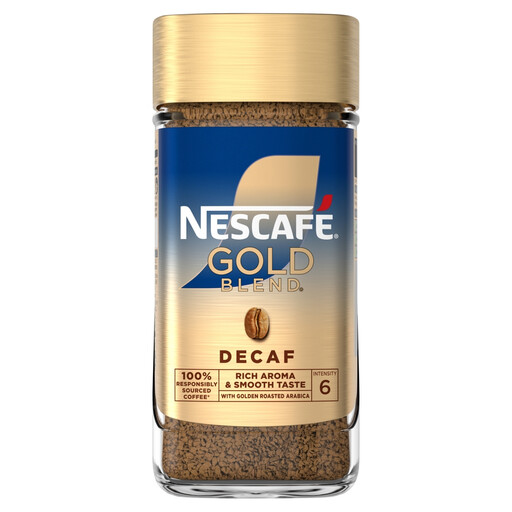
A soluble instant decaf for a household that makes coffee without a brewer. Nescafé describes Gold Blend Decaf as a medium-roast blend of Arabica and Robusta beans.
 No image available
A 300g instant-decaf pack for regular cups without brewing equipment. If roast or bean mix is important to your choice, check the current pack for those details.
 No image available
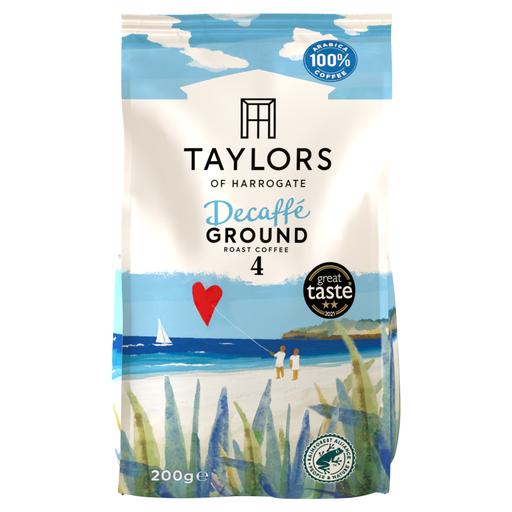
A ground-decaf option for a household with a suitable brewer, rather than one relying on instant preparation. The pack contains 200g; check its current brewing directions for your equipment.
 No image available
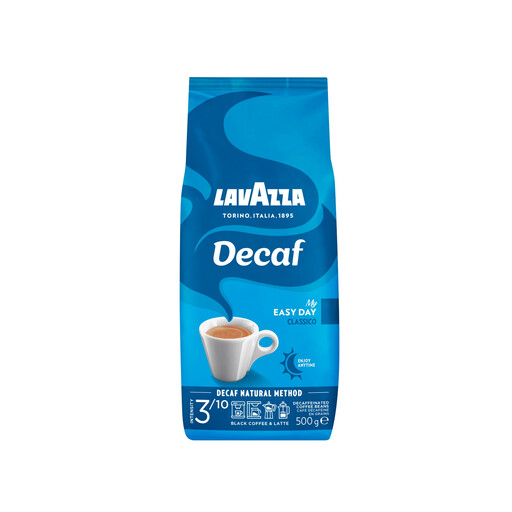
A 500g whole-bean decaf option for households that already grind and brew their coffee. Choose it only if that preparation fits the weekly routine.
No. A decaf label should not be read as a promise that the prepared coffee contains zero caffeine. If complete avoidance matters, check the current information for the exact product.
Choose soluble instant for quick cups without a brewer, or microground instant if you also want a stated finely ground roast-coffee component. Ground coffee needs a suitable brewer, while whole beans need grinding as well.
Start with the format you will use, then compare any stated roast, bean mix and flavour notes on the exact product. Those descriptions help narrow a choice, but do not guarantee that different blends will taste the same.
Follow the storage instructions on the current pack and choose a size that fits how often your household brews it. Do not assume instructions for one ground coffee apply to every product.