Households wanting a quick decaf cup
Instant coffee needs hot water rather than a separate brewer. Coffee bags offer another individual-cup format. Check how many servings the household is likely to use before choosing a pack.


Choose instant decaf if you want to make a cup with hot water and little equipment; choose ground coffee or beans if you already have a suitable brewing setup and want to keep using it. Pods require a compatible machine, while pack size and storage instructions matter if you drink decaf only occasionally. Decaf does not necessarily mean caffeine-free, as Nescafé explains, so check the product information when caffeine intake is a particular concern.
Start with how the household will make its coffee: a convenient backup, a familiar brewing routine and a portioned cup call for different formats.
Instant coffee needs hot water rather than a separate brewer. Coffee bags offer another individual-cup format. Check how many servings the household is likely to use before choosing a pack.
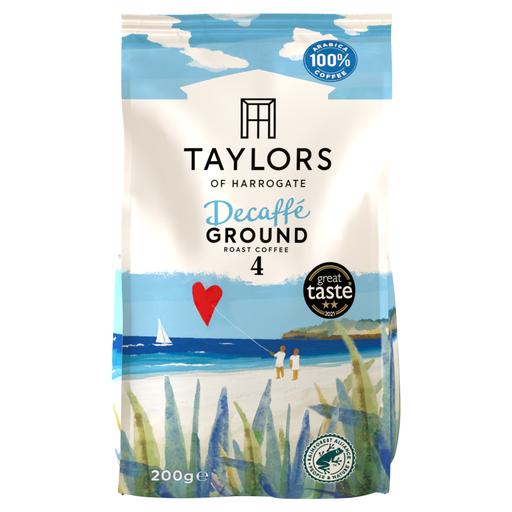
Ground decaf is worth considering if you use a cafetière or filter setup; beans make sense if you have a grinder. Taylors of Harrogate lists Decaffé in ground and whole-bean forms, but the coffee and grind still need to suit your equipment.
Decaf is not necessarily caffeine-free, according to Nescafé. If you follow a caffeine limit, consider the coffee alongside other sources of caffeine rather than relying on the word “decaf” alone. The NHS gives specific caffeine guidance for pregnancy and breastfeeding.
Choose a format your household can prepare, then compare the current pack’s caffeine information, ingredients and storage directions against how you will use it.
Choose it when: You want to make a cup with hot water and no separate brewing equipment.
Trade-off: It does not let you choose a grind or use your usual filter or cafetière method.
Choose them when: You already brew with suitable equipment; beans also require a grinder.
Trade-off: Preparation takes more steps, and an opened pack may have a shorter stated use period.
Choose them when: You want individual portions; choose pods only for a machine that matches the stated system.
Trade-off: A pod for the wrong machine cannot be used, so compatibility needs checking before stocking up.
| Priority | What to check | Your needs |
|---|---|---|
| Caffeine | Read the exact product’s caffeine information if you need it for an intake limit. Allow for caffeine from other foods and drinks; the NHS includes tea, cola, chocolate and some supplements among the sources to consider. | I want to reduce caffeine without assuming that every decaf cup contains none. |
| Preparation | Check whether the coffee is instant, ground, whole-bean, bagged or in pods. Match ground coffee to your brewing method, allow for a grinder with beans, and confirm the named machine system for pods. | Will this fit the equipment and time I have for making coffee? |
| Pack and storage | Compare pack size with how often you drink decaf, then follow its instructions after opening. Tesco’s listing for Taylors Decaffé beans says to seal the pack with a clip, store it cool and dry, and use it within up to two weeks. | If decaf is only an occasional drink here, I want a pack we can finish within its stated use period. |
| Ingredients and flavour | Read the current ingredient and allergy statements. Compare roast or brand-stated flavour notes within the format you plan to use, rather than treating an intensity rating as a quality ranking. | I would like a flavour style that suits the household, and I need the pack information to meet any ingredient restrictions. |
Nescafé says a small amount of caffeine can remain in decaf. This distinction matters when you are keeping track of an intake limit.
Check the product information and count relevant caffeine from other foods and drinks. The NHS advises no more than 200mg a day during pregnancy and advises trying not to exceed 300mg a day while breastfeeding.
Storage directions can make a large pack impractical for an occasional decaf drinker. Tesco’s listing for Taylors Decaffé beans specifies use within up to two weeks after opening when stored as directed.
Compare the pack size with your likely use, and follow the instructions on the product you buy.
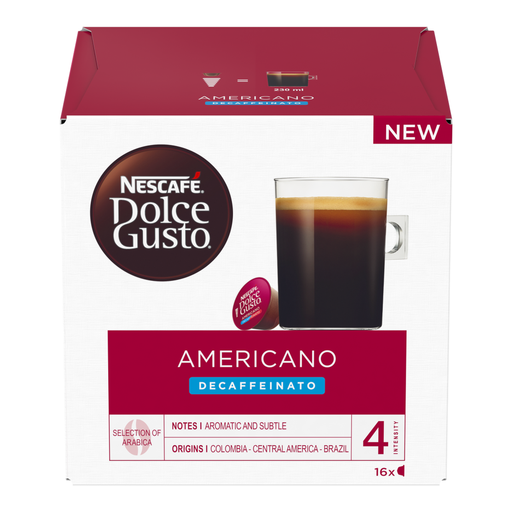
Pods are made for particular machine systems; the wrong type will not fit the household’s machine.
Check the system named on the exact pod pack against the machine before adding pods to your pantry stock.
An ingredient list alone may not convey every relevant suitability warning. For example, M&S’s listing for its Decaf Americano Micro-Ground Instant Coffee gives coffee ingredients but also carries a milk-allergy warning.
Read the current physical pack’s ingredient and allergy information, and ask the manufacturer if a warning is unclear.
These ranges illustrate formats and label details worth comparing; a brand reference does not mean every product in its range has the same ingredients or preparation requirements.
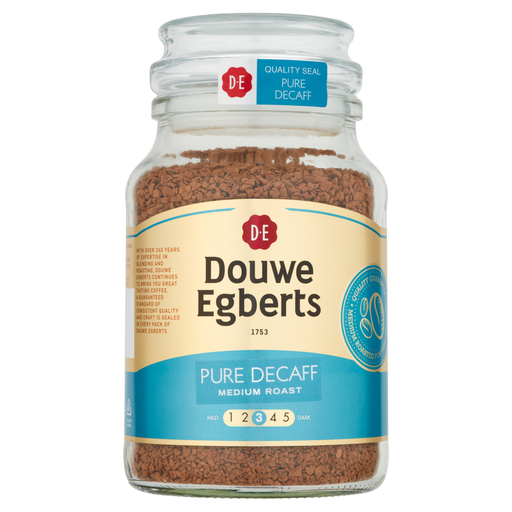
An instant-coffee reference for households considering decaf jars.
Kenco Decaf is an instant option for making coffee with hot water.
Decaffé ground coffee and beans provide options for households that brew rather than use instant coffee.
Its own-label decaf listings include instant and ground coffee formats.
Its decaf listings include instant coffee, including a micro-ground blend.
These options cover ground coffee, instant coffee, pods and whole beans. Choose by the way you will prepare and use the coffee, rather than assuming the formats are interchangeable.
 No image available
A ground-coffee option if your household already uses a suitable brewing setup. Check the pack’s preparation and storage directions, particularly if you make decaf only occasionally.
 No image available
An instant option for a pantry where coffee is made with hot water. If you are tracking caffeine intake, check the current pack rather than interpreting decaffeinated as caffeine-free.
 No image available
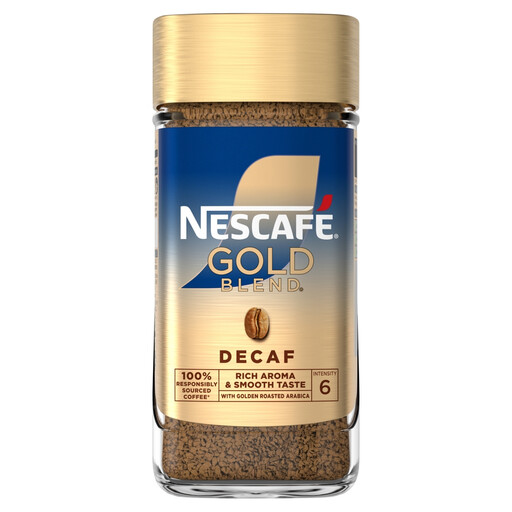
A decaf jar for households considering a straightforward pantry supply. Check the current pack’s format, size and storage directions before choosing it for your usual routine.
 No image available
A portioned decaf choice for a household with a Dolce Gusto machine. Confirm that your machine accepts the stated capsules before buying.
 No image available
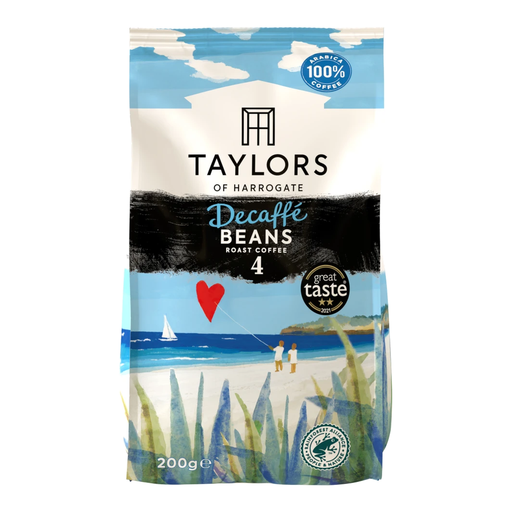
Whole beans suit a household with suitable grinding equipment. Read the opened-pack storage directions and consider whether you will use the 200g pack at your usual rate.
It can. Nescafé explains that a small amount remains after decaffeination, so “decaf” should not be read as a caffeine-free claim for an individual product. Check the product information if its caffeine content matters to your decision.
The NHS advises no more than 200mg of caffeine a day during pregnancy. Choosing decaf does not remove the need to account for caffeine from other sources, including tea, cola, chocolate and some supplements.
The NHS advises trying not to have more than 300mg of caffeine a day while breastfeeding. Decaf is not necessarily caffeine-free, so consider it alongside other caffeine-containing foods and drinks rather than assigning every decaf product the same amount.
Follow the instructions for the beans you buy. Tesco’s listing for Taylors Decaffé beans says to seal the opened pack with a clip, keep it in a cool, dry place and use it within up to two weeks; another pack may give different directions.
Yes, if an allergy or ingredient restriction affects your purchase. M&S’s Decaf Americano Micro-Ground Instant Coffee listing carries a milk-allergy warning despite listing coffee ingredients. Read the current physical pack rather than relying on the product name alone.