People grinding near colleagues
If the grinder will run beside desks, meetings or calls, look for a claim tied to the exact model and consider where it will sit. A quiet-design label alone cannot tell you how disruptive it will sound in your office.


Choose a burr grinder around the office’s main constraint: a model with a specific quiet-design claim if grinding near colleagues is the concern, accessible cleaning or a single-dose option if staff switch between decaf and regular beans, or a suitable adjustment range if they use several brewing methods. A quiet-design claim is not a measured sound comparison, and a bean-switching accessory does not remove the need to clean retained grounds.
If the grinder will run beside desks, meetings or calls, look for a claim tied to the exact model and consider where it will sit. A quiet-design label alone cannot tell you how disruptive it will sound in your office.
Choose a grinder that makes the hopper, burr chamber and chute practical to clean, then agree who will empty and brush it between coffees. Baratza’s cleaning guidance notes that grounds and residue can remain in these areas.
Check the adjustment range against the equipment people actually use, whether that is espresso, filter coffee, a cafetière or cold brew. Sage Appliances explains that espresso generally calls for finer grounds than longer brewing methods such as cafetière and cold brew.
Start with the issue that most affects daily use, then check whether the same grinder also covers the office’s brewing methods and cleaning routine.
| Concern | What to check | Who this matters to |
|---|---|---|
| Disruption from grinding | Ask for sound measurements and their test conditions if noise will decide the purchase; consider placement away from calls. | If I grind beside colleagues who are working or on calls, I want to keep interruptions down. Around 36% of consumers put avoiding disruption first. |
| Decaf switching and cleaning | Check access to the hopper, burr chamber and chute, plus any compatible single-dose accessory for the exact model. | When regular beans also go through the grinder, I need a cleaning routine I can carry out between coffees. For around 29% of consumers, limiting carry-over is the primary concern. |
| Brewing range | Match the stated grind range to the office’s equipment and agree repeatable settings for each method. | If colleagues make both espresso and longer-brewed coffee, I need to return to the right setting without guesswork. Brewing flexibility comes first for around 21% of consumers. |
| Everyday workflow | Consider whether dosing, stopping and emptying the grounds container will be straightforward for shared use. | When several people use the counter, I want a routine that is easy to follow and clean up after. Around 14% of consumers chiefly prioritise a simple, tidy workflow. |
The Coffee Pod describes noise-reduction features on the Eureka Mignon Silenzio, but that description does not establish a sound level under specified office conditions. Workplace noise exposure also depends on more than a grinder’s momentary sound.
If sound is decisive, ask for comparable measurements and test conditions. Otherwise, plan where and when the grinder will be used near calls or meetings.
An empty-hopper routine does not establish that the burr chamber and chute are free of retained grounds.
Agree how staff will empty beans and clean accessible parts between coffees, following the grinder’s instructions. Consider a decaf-only grinder if the office needs stronger separation.
Purging can use extra coffee, while cleaning takes staff time.
Sage Appliances explains that espresso and longer brewing methods call for different grind sizes. An adjustable grinder is useful only if its range covers the methods colleagues actually use.
List the office’s brewing equipment before buying, then label the settings people settle on for each method.
Decaf should not be used as a promise that a drink contains no caffeine, especially when regular coffee may also pass through a shared grinder.
Label the beans accurately and keep the bean-switching routine clear to everyone who uses the equipment.
The Mignon Silenzio is relevant when the office wants an electric burr grinder with a model-specific quiet-design claim.
The Encore ESP and Virtuoso+ are relevant to offices considering a separately available Single Dose Hopper for switching coffees.
The Uniform Evo is relevant where colleagues use several brewing methods and want repeatable dosing.
These grinders offer different ways to cover shared-office needs, from portable electric models and multi-method adjustment to a manual option. Check sound and cleaning requirements separately if either is central to your decaf routine.
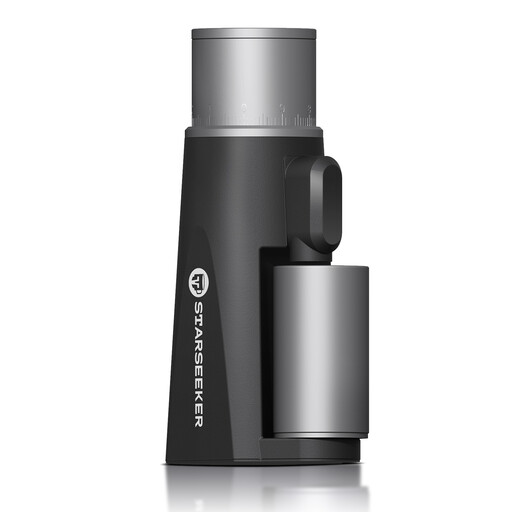 No image available
Consider this portable electric model if the office makes espresso or pour-over coffee. Check sound under relevant conditions and how thoroughly it can be cleaned when changing from regular beans to decaf.
 No image available
This model suits an office comparing portable electric grinders for espresso through to cafetière. Its name specifies 30 settings, auto stop and clog protection; check the noise claim in conditions relevant to your workspace and whether its cleaning access suits frequent bean changes. The product guidance advises against more than 13 consecutive batches, or six espresso batches, without a break.
 No image available
Consider this model where staff make espresso, pour-over and cafetière coffee and prefer a rechargeable grinder. The named variant has adjustable settings and a 1000 mAh battery. Its cleaning instructions specify a dry brush and say not to rinse the burr with water; check whether that routine suits regular-to-decaf switching.
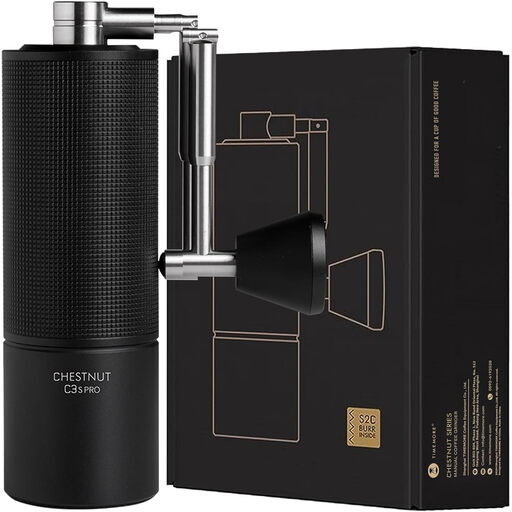 No image available
This is a manual option for an office willing to make hand grinding part of its routine. The named variant has a foldable handle, stainless-steel conical grinder and 25 g bean container. Consider the number of users and how often it will be used, and check cleaning access if beans will be switched frequently.
 No image available
Consider this conical-burr model when the office needs a range of settings for different brewing methods. The named variant specifies 60 grind settings. If colleagues alternate regular beans and decaf or grind near calls, check its cleaning procedure and sound under the office’s intended conditions.
No: do not treat “decaf” as a guarantee of zero caffeine. Check the particular coffee’s information if caffeine avoidance matters, and remember that a shared grinder also needs a clear routine for switching beans.
No. A model’s quiet-design description does not establish how it will sound at your chosen distance and location. If sound is decisive, ask for measurements with test conditions; employers should consider actual workplace noise exposure rather than treating a grinder claim as a compliance assessment.
Follow the exact model’s cleaning instructions and agree a routine for each switch. Baratza advises removing the hopper and upper burr on applicable models and brushing loose grounds from the burr chamber and chute; check which parts of your chosen grinder are accessible.
Choose a model whose stated range covers the brewing equipment the office uses. Sage Appliances explains that espresso generally uses finer grounds than longer methods such as cafetière; once colleagues have settled on settings, label them so users can return to them.