If friends are arriving soon, a ready-to-mix decaf concentrate makes iced coffee without a long steep; Tesco describes its Nescafé concentrate as making 16 glasses at its stated serving size. If you want coffee extracted in cold water, choose decaf beans you can grind coarsely and allow 12–18 hours to steep, as described in the cold-brew guides from Ozone Coffee UK and Cafédirect. Check each product’s caffeine information rather than assuming decaf means caffeine-free.
Who is each option for?
Hosts serving drinks straight away
A ready-to-mix decaf concentrate lets you prepare cold drinks one glass at a time, with each guest’s choice of milk, plant-based drink or other suitable mixer. It makes iced coffee, not coffee extracted by the cold-brew method.
Hosts preparing a batch ahead
If you want genuine cold brew, you can grind decaf beans coarsely, steep them in cold water and filter the coffee before friends arrive. Cafédirect’s method calls for 12–18 hours in the fridge.
Guests who check caffeine content
Decaffeinated coffee can still contain caffeine. Check the information for the particular product you plan to serve; the amount in a prepared glass also depends on how you make it.
What should you check before buying?
Ready-to-mix iced decaf
Choose it when: You need to serve cold drinks as friends arrive, without grinding, steeping or filtering.
Trade-off: A prepared concentrate makes iced coffee rather than coffee extracted by a long cold-water steep.
Make-ahead decaf cold brew
Choose it when: You want a cold-water extraction and can prepare the coffee the day before.
Trade-off: Starting with whole beans requires a grinder, steeping time and a way to filter the batch.
| Priority |
What to check |
Your needs |
| Drink type |
Check whether the coffee is ready to mix or needs cold-water extraction. Ozone Coffee UK describes cold brew as an extended steep in cold or room-temperature water. |
I want to know whether I am serving genuine cold brew or simply a cold coffee drink. |
| Preparation time |
Allow 12–18 hours in the fridge for Cafédirect’s cold-brew method. A ready-to-mix concentrate avoids that brewing step. |
If friends are arriving soon, I need a drink I can prepare glass by glass. If the gathering is tomorrow, I can make a batch ahead. |
| Grind and equipment |
Cafédirect specifies coarsely ground coffee for cold brew. Whole beans need a grinder; for ready-ground coffee, check the pack or try a small batch before relying on its grind for this method. |
I would rather skip grinding, but I do not want to assume that every ground decaf is suitable for cold brew. |
| Servings and mixers |
Tesco bases its Nescafé concentrate’s 16-glass yield on 30ml concentrate with 150ml semi-skimmed milk per glass. Check your intended glass size and guests’ choice of mixers. |
With several friends coming round, I want to work out how much to prepare without treating the stated yield as fixed for every serving. |
| Caffeine and ingredients |
Read the particular coffee’s caffeine information and the ingredient and allergen information for everything added to the drink. Waitrose lists Lavazza Decaf Classico beans with caffeine content not higher than 0.10%. |
I want guests to know what is in their drink, especially when they choose different milks or check their caffeine intake. |
Common buying mistakes
-
Calling every cold coffee cold brew
A ready-to-mix decaf concentrate is useful when time is short, but it is not the same preparation method as an extended cold-water steep.
Call a quickly mixed drink iced decaf coffee. If guests are expecting cold brew, prepare coffee using a cold-brew method instead.
-
Assuming ground decaf has the right grind
Cafédirect’s cold-brew method specifies coarse grounds. A coffee described for cafetière or filter use does not, by that description alone, confirm its grind for your cold-brew recipe.
Grind whole decaf beans coarsely, or check a ready-ground pack and test a small batch before making coffee for everyone.
-
Assuming decaf contains no caffeine
Decaffeination does not necessarily remove all caffeine. Waitrose states that its Lavazza Decaf Classico beans have caffeine content not higher than 0.10%.
Check the information for the exact product you serve rather than describing the finished drink as caffeine-free.
-
Counting glasses without checking the serving size
Tesco’s stated 16-glass yield for its Nescafé decaf concentrate uses 30ml concentrate and 150ml semi-skimmed milk per glass. Larger or stronger servings change how many drinks a bottle makes.
Choose a glass size and mixing ratio before deciding how much concentrate you need for the gathering.
Brand and product-range references
Nescafé
Tesco lists Nescafé Iced Coffee Espresso Concentrated Decaf 500ml as a decaffeinated concentrate for mixing into a cold drink.
- Tesco states a yield of 16 glasses using its 30ml concentrate and 150ml semi-skimmed milk serving method.
- This is a ready-to-mix iced-coffee option, not a long-steep cold brew.
Lavazza
Waitrose lists Lavazza Decaf Classico Coffee Beans 500g as decaffeinated whole beans.
- Whole beans let you choose the coarse grind specified in Cafédirect’s cold-brew method.
- You need a grinder and time to steep and filter the coffee. Waitrose states caffeine content not higher than 0.10% for this listed product.
Taylors of Harrogate
Waitrose describes its Decaffé Ground Coffee as decaffeinated Arabica coffee for cafetière or filter preparation.
- The ground format avoids grinding whole beans before brewing.
- Check the grind before using this product for a large cold-brew batch; cafetière or filter directions do not establish its suitability for that recipe.
M&S
M&S lists a Decaf Ground Coffee 227g made with Arabica beans.
- It is a ground decaf format for shoppers considering a make-ahead drink without grinding beans.
- Check the pack’s preparation directions and grind before choosing it for cold brew.
Sandows London
A Sandows London cold-brew listing describes coffee infused overnight in cold filtered water.
- The listed preparation illustrates the long-steep cold-brew format.
- The listed drink is identified as caffeinated, so it is not a decaf choice for this gathering.
Decaf coffee options on Joybuy
These beans and ground coffees are options for preparing decaf at home. The whole-bean products let you choose a coarse grind for make-ahead cold brew; check the grind of a ground product before using it for that method.
 No image available
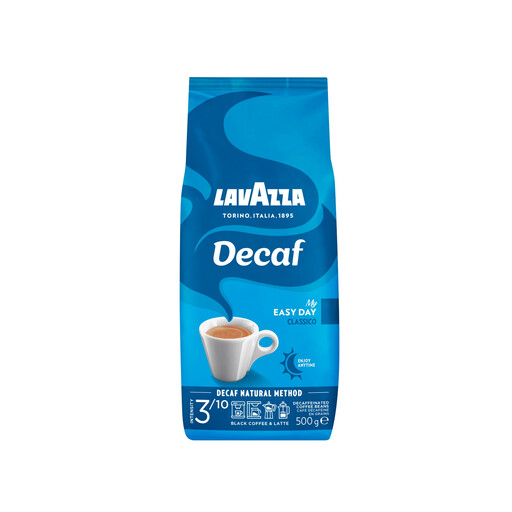
Lavazza Decaffeinated Coffee Beans 500g
Whole decaf beans let you grind coarsely for a make-ahead cold brew. Allow time to steep and filter the batch; Cafédirect’s method steeps for 12–18 hours in the fridge. Check this pack’s caffeine information if it matters to a guest.
View on Joybuy
 No image available
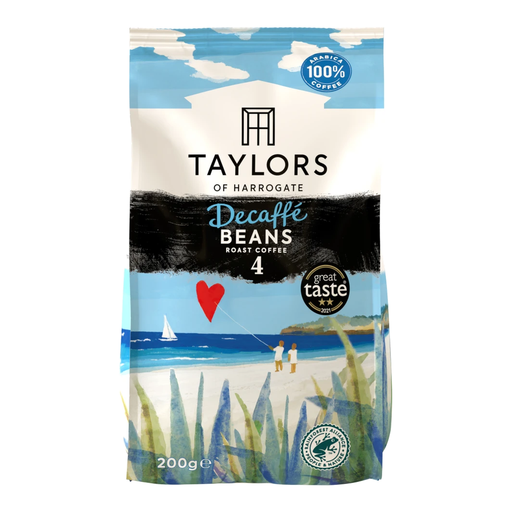
Taylors Decaf Coffee Beans 200 g
These whole decaf beans give you the option of grinding coarsely before a cold-water steep. You will need a grinder, time to prepare the batch and a way to filter it before serving. Check the pack for product-specific caffeine information.
View on Joybuy
 No image available
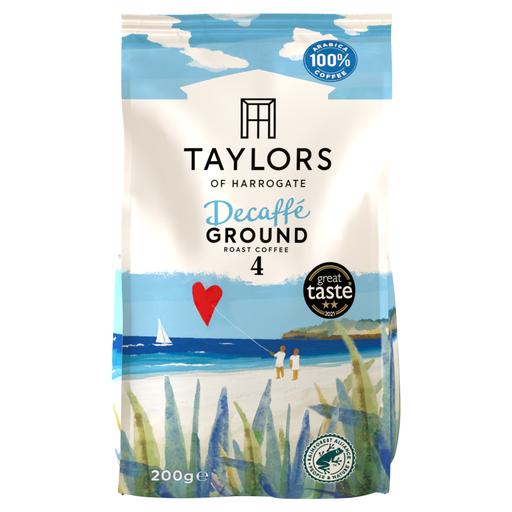
Taylors of Harrogate Decaf Ground Coffee 200g
Ground decaf avoids the grinding step. The Taylors coffee described by Waitrose is intended for cafetière or filter use; check this pack’s grind or try a small batch before making cold brew for guests. Check its caffeine information if needed.
View on Joybuy
 No image available
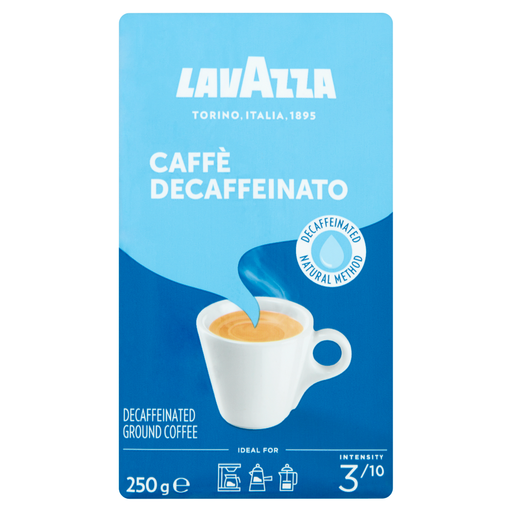
Lavazza Decaf Classico Ground Coffee 250g
This ground decaf does not require a grinder. Before choosing it for cold brew, check the pack’s grind guidance or test a small batch against your intended method. The cold-brew recipe from Cafédirect calls for coarse grounds.
View on Joybuy
Questions about serving decaf
Is decaf iced-coffee concentrate the same as decaf cold brew?
No. Ozone Coffee UK describes cold brew as coffee extracted during an extended steep in cold or room-temperature water. Tesco’s Nescafé decaf concentrate is ready to mix into an iced drink, so choose it for quick serving rather than for that brewing method.
How can I make a batch of decaf cold brew for friends?
Grind decaf beans coarsely, steep the grounds in cold water and strain the coffee before serving. Cafédirect’s recipe uses 100g coarsely ground coffee to 1 litre of cold water and steeps it in the fridge for 12–18 hours, so start the batch ahead of the gathering.
Does decaf mean caffeine-free?
No. Decaf coffee can retain caffeine: Waitrose states caffeine content not higher than 0.10% for its Lavazza Decaf Classico beans. Check the information for the exact coffee you serve rather than applying that figure to another product or to a finished glass.
Can guests choose a plant-based mixer?
Yes, if you serve a concentrate intended for mixing: Tesco says its Nescafé decaf concentrate can be mixed with milk or a plant-based alternative. Let guests choose their mixer and check the current ingredient and allergen information before serving it to anyone with an allergy or intolerance.


