Sellers serving drinks during busy periods
If you expect to prepare individual cups quickly, instant decaf needs hot water but no cafetière brew. Choose a flavour description that also fits the pronounced coffee taste you want to offer.


For quick cups at a car boot sale, NESCAFÉ Original Decaf offers an instant format that its maker describes as bold. If you can allow time and equipment for brewing, Taylors of Harrogate describes its ground Rich Italian Decaf as rich and robust. Treat strength labels as flavour cues, not caffeine measurements, and check the organiser’s rules before planning to sell drinks.
If you expect to prepare individual cups quickly, instant decaf needs hot water but no cafetière brew. Choose a flavour description that also fits the pronounced coffee taste you want to offer.
Look for specific descriptions such as bold or robust rather than assuming all decaf tastes alike. A brand’s strength number can help describe flavour, but numbers from different brands need not use the same scale.
Check whether the organiser permits drink sales and what requirements apply to your setup. If you offer milk, plant drinks or other additions, keep their ingredient information available too.
Decide how quickly you need to serve first, then compare flavour descriptions and the practical requirements of your stall.
| Priority | What to check | Your needs |
|---|---|---|
| Flavour profile | Compare the maker’s bold, rich or robust wording with its description of the roast. Kenco describes its Decaf as medium and balanced despite assigning it an intensity rating of 7. | I want a pronounced coffee flavour, so a description of smooth or balanced alone may not meet the brief. |
| Preparation | Check whether the coffee is instant or ground and what equipment its instructions require. Taylors of Harrogate’s Rich Italian Decaf needs a brewing step in a cafetière. | If cups must go out one at a time during a rush, I need a method I can repeat with the hot water available at the stall. |
| Strength labels | Read intensity numbers as flavour guidance, not caffeine measurements. NESCAFÉ’s UK strength guide also cautions that brands may use different scales. | A stronger-tasting decaf matters to me, but I do not want to mistake a flavour rating for the amount of caffeine in a cup. |
| Stall arrangements | Confirm permission to sell drinks with the organiser. Check with the relevant local authority about food-business requirements for your activity, and plan ingredient information for additions. | Before bringing coffee, milk and serving equipment, I need to know whether I can offer drinks at this event and how I will communicate ingredients. |
A flavour-intensity number does not tell you how much caffeine a prepared decaf cup contains. NESCAFÉ’s UK strength guide describes these numbers as flavour guidance.
Choose bold or robust wording for taste. If caffeine intake matters for a personal reason, consult product-specific information rather than relying on a strength rating.
A cafetière adds a brewing step, which can make individual cups harder to serve quickly during a busy period.
Choose instant decaf for hot-water preparation, or arrange suitable equipment and time for batches of ground coffee.
Business Companion notes that car-boot arrangements and licence conditions can vary by area. Permission to take a pitch does not, by itself, settle whether you can sell drinks there.
Ask the organiser about food-and-drink sales and check the relevant local authority’s requirements before planning your setup.
The ingredients you offer alongside coffee affect the information customers may need and how you handle those products.
Keep packaging and ingredient details for milk, plant drinks, syrups and snacks, and check the food-service requirements that apply to your stall.
These examples show how flavour descriptions and formats differ; inclusion does not indicate that a particular product is available from Joybuy.
NESCAFÉ describes Original Decaf as an instant coffee with a full, bold flavour and aroma.
Kenco describes its Decaf instant coffee as medium and balanced, with an intensity rating of 7.
Taylors describes Rich Italian Decaf as rich, robust and full-bodied.
Tesco’s decaf category lists instant coffee, ground coffee, beans and pods.
Sainsbury’s describes its Fairtrade Decaff House Blend ground coffee as smooth and malty, with a strength rating of 3.
M&S describes its Decaf Americano Micro-Ground Instant Coffee as smooth, aromatic and medium roast.
These decaf coffees offer options for a hot-water refreshment setup. Compare their individual flavour descriptions before choosing one for a stronger-tasting cup.
 No image available
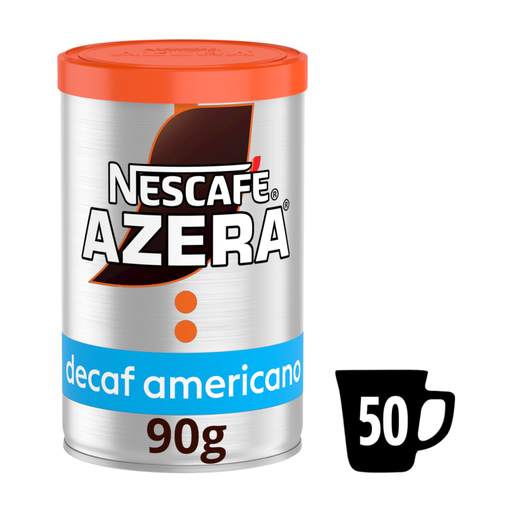
This decaffeinated soluble coffee suits hot-water preparation at a refreshment table. NESCAFÉ describes Original Decaf as bold, but that description is not a cross-brand strength measurement.
 No image available
For a hot-water serving setup, check the pack’s preparation directions and whether its flavour description fits the cup you intend to serve. A bold description is a taste claim, not a comparable caffeine or strength measurement.
 No image available
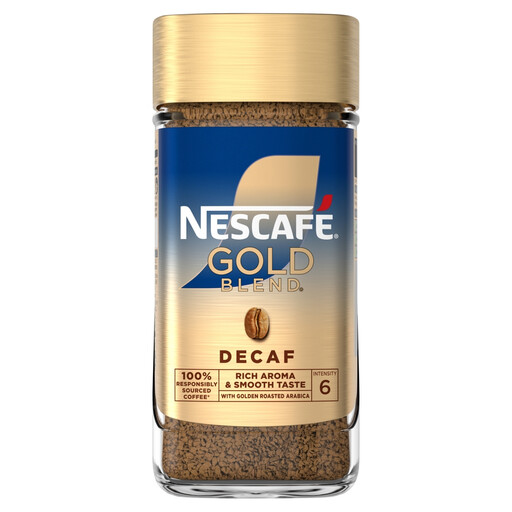
If this is for quick cups at a stall, check its preparation directions and flavour description against your serving plan. Do not assume the Gold Blend name indicates an extra-bold profile.
 No image available
This instant decaf has hot-water preparation instructions. Kenco describes its Decaf as medium and balanced with an intensity rating of 7, so check whether that profile suits customers asking for a particularly bold cup.
 No image available
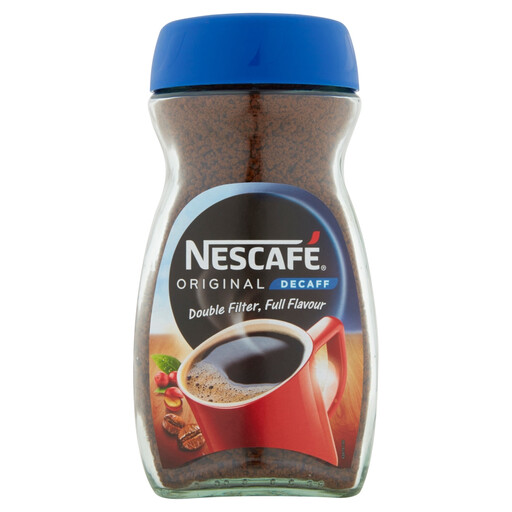
When considering this decaf for refreshments, check its preparation instructions and flavour description. A description of rich flavour would not, on its own, establish an extra-bold profile.
No. NESCAFÉ’s UK strength guide describes strength numbers as flavour guidance rather than caffeine measurements and notes that brands can use different scales. Use the number to consider taste, not to calculate caffeine in a cup.
Do not assume so. The Coffee Extracts and Chicory Extracts (England) Regulations 2000 allow the description ‘decaffeinated’ for covered coffee extracts when residual anhydrous caffeine does not exceed 0.30% of coffee-based dry matter. That England rule does not state the caffeine amount in a prepared cup or establish a rule for every coffee format elsewhere in the UK.
Do not assume your pitch permits drink sales. Business Companion notes that car-boot arrangements and licence conditions can differ by area; ask the organiser about its terms and check relevant local requirements before planning to serve.
Yes. GOV.UK food-business registration guidance includes businesses operating from mobile units and temporary premises such as stalls. Ask the relevant local authority how the requirements apply to your activity rather than assuming an occasional car boot pitch is exempt.
Keep the original packaging and ingredient details for every addition, including milk, plant drinks, syrups and snacks. Check what allergen information and handling arrangements apply to the drinks and food you actually serve.