Shoppers after a rich-style instant decaf
If you make individual cups with a kettle, look for a flavour description that appeals to you and a pack size you expect to finish.


Start with a rich-roast decaf instant if you want a quick cup with a stronger-style description; consider NESCAFÉ Original Decaf if its brand-described bold profile appeals to you. Ground decaf is worth considering when you have brewing equipment and prefer a brewed cup, but a roast or intensity label cannot tell you which coffee will taste strongest across brands.
If you make individual cups with a kettle, look for a flavour description that appeals to you and a pack size you expect to finish.
If you want a punchier or darker-tasting cup, use roast and intensity wording as flavour guides, not as measures of caffeine. NESCAFÉ notes that brands can use different strength scales.
If you already use a cafetière, filter brewer or grinder, ground coffee or beans give you a brewed-coffee option, with more preparation than instant granules.
Choose the flavour style and preparation format first, then check whether the pack and product information suit your routine.
| Priority | What to check | Your needs |
|---|---|---|
| Flavour strength | Read terms such as rich roast, bold and balanced. Treat a numeric intensity rating as a guide within that brand, not a shared scale across brands. | I want a more pronounced flavour, but I do not want to mistake a darker-tasting decaf for a higher-caffeine coffee. |
| Pack choice | Check the pack weight and choose an amount you expect to use while its flavour still appeals to you. Compare the same preparation format when weighing up different packs. | A larger jar only suits my routine if I will get through it; a smaller pack may make more sense for occasional cups. |
| Preparation | Choose instant granules for a kettle-to-cup drink. For ground coffee or beans, check the required brewer and, where relevant, grind suitability. | Some days I want a quick cup; if I choose ground coffee, I need a brewing method I will actually use. |
| Caffeine reduction | Check the exact decaf product information rather than interpreting a flavour-strength number or water-process description as a caffeine measurement. | If even residual caffeine matters to me, I need information about the specific product and advice appropriate to my circumstances. |
NESCAFÉ explains that coffee strength scales generally describe flavour intensity and can differ between brands. A higher number does not establish that a decaf contains more caffeine.
Use roast and profile wording to narrow down the taste you want; check the decaf designation and exact product information separately.
Ground coffee needs a suitable brewing method, while pods require a compatible machine. Neither works as a direct substitute for instant granules in a kettle-to-cup routine.
Check the format and brewing instructions before choosing a pack, particularly if convenience is your reason for buying instant.
NESCAFÉ describes its Original Decaf as coffee with most of the caffeine removed, not as caffeine-free coffee. A stated water-decaffeination method does not tell you the amount in a prepared cup.
Check the exact product label if residual caffeine is important to you, and seek appropriate individual advice if you must avoid it for a medical reason.
These examples show how differently decaf coffees are described; a brand name alone does not establish flavour strength.
Its own-label decaf range includes instant coffee as well as coffee for brewing.
Original Decaf is an instant coffee that NESCAFÉ describes as full and bold.
Kenco describes its Decaf instant coffee as medium roast, balanced and rated intensity 7.
Decaffé offers a brewed-coffee route; Taylors describes caramel and malt flavours.
M&S lists Gold Decaf instant coffee and a Decaf Americano micro-ground instant option.
These options include decaf coffees for a quick cup and a ground-coffee alternative for shoppers with brewing equipment. Check the product format and pack details against the way you make coffee.
 No image available
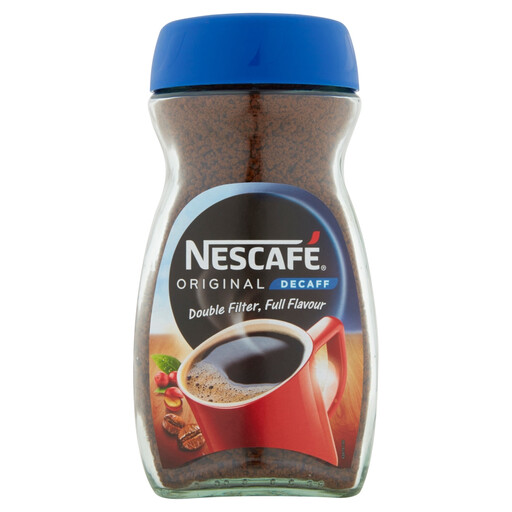
Consider this 300g decaf pack if you want the full, bold flavour profile NESCAFÉ describes for Original Decaf. Treat that description as a taste guide, not a comparison with other brands.
 No image available
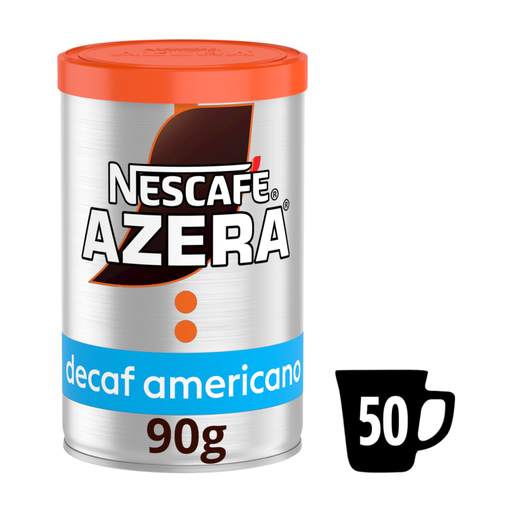
This 90g Decaf Americano is an option for a hot-water cup. Its full-bodied flavour description is a product claim, not a standardised strength rating.
 No image available
The 200g pack may suit a routine that does not call for a larger jar. Check its flavour description rather than assuming that the decaf name signals an extra-bold cup.
 No image available
This 190g decaf pack is described in product copy as smooth and full-bodied. If you specifically want an extra-bold style, compare that wording with other flavour profiles before choosing.
 No image available
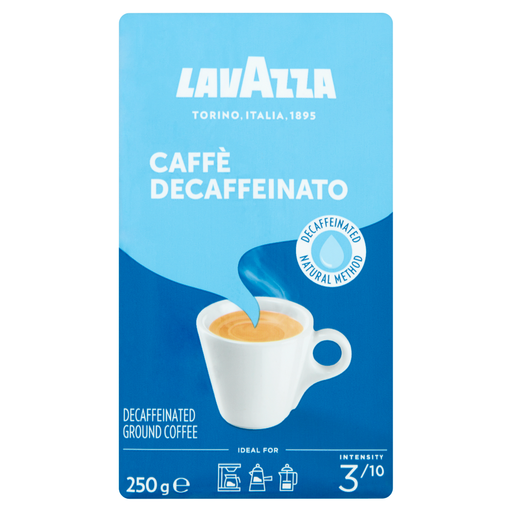
Choose this 250g ground-coffee format only if you have a suitable brewing method. Check the grind and preparation directions for your equipment; its rich, full-bodied product description does not establish a cross-brand strength ranking.
No. NESCAFÉ says strength-scale numbers generally describe flavour intensity rather than caffeine content. Because brands can use different scales, a number on one pack is not an exact comparison with another brand's.
Choose an instant coffee with a rich or bold description if a quick cup is your priority. Ground decaf makes sense if you have brewing equipment and want that preparation style; Taylors describes Decaffé as smooth and balanced, so the format alone does not promise a stronger flavour.
Do not assume it is. NESCAFÉ says most caffeine is removed from its Original Decaf. If residual caffeine matters for a medical reason, check the exact product information and obtain advice appropriate to your circumstances.
Read the label on the exact pack before consumption, particularly when an ingredient, allergen or dietary requirement matters to you. M&S advises shoppers that product information can change, so a web listing should not replace the pack label.