Office managers stocking a shared kitchen
A kettle-based instant option makes preparation straightforward during a short break. Coffee bags are worth considering when decaf is used mainly in meeting rooms or only occasionally.


For a shared office kitchen with only a kettle, instant decaf is a practical starting point. Individually wrapped coffee bags suit occasional cups or meeting rooms, while ground coffee needs a compatible brewer and a plan for cleaning and storage. Decaf still contains some caffeine, so it should not be labelled caffeine-free.
A kettle-based instant option makes preparation straightforward during a short break. Coffee bags are worth considering when decaf is used mainly in meeting rooms or only occasionally.
Decaf offers a coffee option without assuming everyone wants regular coffee. The British Coffee Association notes that decaffeination leaves a small amount of caffeine, so the label should not suggest otherwise.
Ground coffee, beans or pods can fit an existing routine, provided the brewer suits the chosen format and someone can handle cleaning and storage.
Start with the equipment and number of cups needed, then check the exact coffee and pack label before ordering for a shared kitchen.
| Priority | What to check | Your needs |
|---|---|---|
| Preparation | Check whether staff have a kettle or a compatible brewer. For pods, match the product to the installed capsule system. | With only a kettle in the kitchen, I want coffee that staff can prepare in a mug. If a machine is already in use, its compatible format matters more. |
| Cup volume | Consider how often decaf is made and whether a shared jar or individual portions fit that use. Marks & Spencer describes its coffee bags as individually wrapped. | For occasional visitors or meetings, I would rather provide a portion for each cup than keep a communal jar open for infrequent use. |
| Caffeine status | Identify the drink as decaf, not caffeine-free. Check the exact product information if an amount per prepared cup is important. | I want colleagues to be able to recognise the decaf option without mistaking it for a zero-caffeine drink. The British Coffee Association says a small amount remains after decaffeination. |
| Ingredients | Read the label on the exact pack, including allergen advice. Do not apply one product’s statement to another decaf coffee or coffee drink. | Where people have different ingredient requirements, I need the information for the item actually stocked in the office. |
| Storage | For ground coffee, check the pack’s instructions after opening and who will look after the brewer. Storage directions differ by product. | If we make brewed decaf only occasionally, I need a pack size and storage routine that fit how quickly we use it. |
The British Coffee Association says a small amount of caffeine remains after decaffeination. That distinction matters when staff are keeping track of their caffeine intake.
Label the shared option as decaf and check the exact product information rather than assuming its caffeine content is zero.
A decaf pod is useful only if it fits the office’s capsule system.
Record the installed machine model and check pod compatibility before ordering.
An incompatible pod leaves the office with capsules it cannot use in that machine.
Nescafé describes Gold Blend Decaf as having no allergens, while Marks & Spencer says its Decaf Americano Micro-Ground Instant Coffee is not suitable for people with a milk allergy. Those statements apply to different products.
Check the delivered pack of each item, particularly when changing from plain coffee to another instant or single-serve product.
Ground coffee needs a suitable brewer and attention to the pack’s instructions after opening. Marks & Spencer gives specific refrigerated or frozen storage periods for its own decaf ground coffee.
Consider how many cups the office makes before choosing a ground-coffee pack, and follow that product’s storage directions.
These references illustrate decaf formats and product-level checks; they do not indicate that every item mentioned is stocked on Joybuy.
An instant-decaf option for a kitchen using a kettle and shared jars.
A decaf brand included in Tesco’s coffee assortment.
A decaf brand to consider when an office is equipped to make brewed coffee.
A retailer whose decaf assortment includes own-label and branded coffee.
An own-label instant option for a kettle-based shared kitchen.
A choice of coffee bags, micro-ground instant coffee and ground coffee for different preparation routines.
These options cover jars for shared office breaks and one ground coffee for an office with a suitable brewer. Choose by preparation format and pack size rather than assuming one coffee will suit every colleague’s taste.
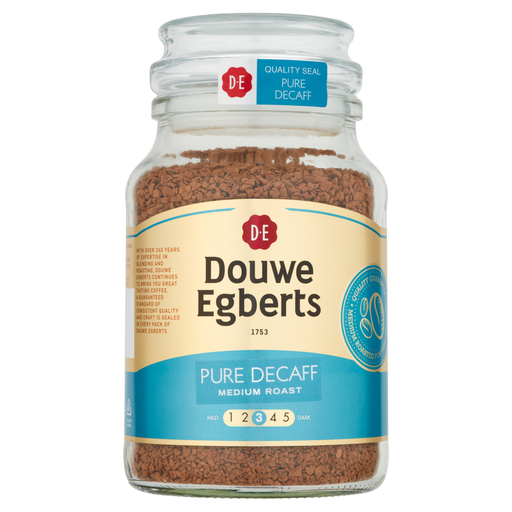 No image available
A 190 g instant-decaf jar for a shared kitchen using hot water. Check the delivered pack if the caffeine amount in a prepared cup matters to staff.
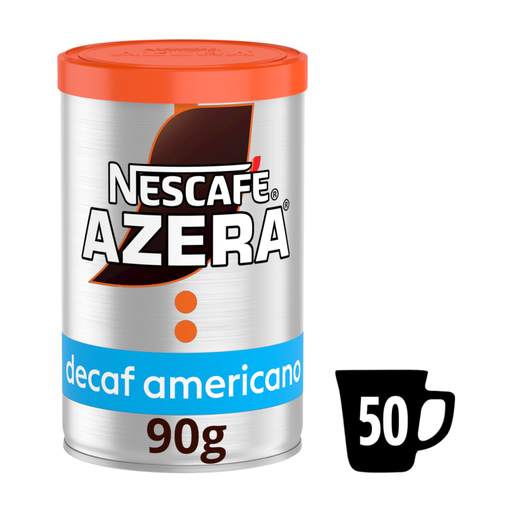 No image available
A 90 g decaf option to consider for an office making smaller numbers of cups. Check the pack’s preparation and ingredient information for the exact item supplied.
 No image available
A 190 g jar for a shared decaf option. Nescafé describes Gold Blend Decaf as freeze-dried soluble coffee; check the delivered pack for its preparation and allergen information.
 No image available
A 300 g jar to consider where a shared decaf option is used regularly. Nescafé says Original Decaf contains coffee and is decaffeinated using water; staff taste preferences still need checking.
 No image available
A 200 g ground-decaf option for an office with a compatible brewer. Check the pack’s storage directions after opening and allow for cleaning the equipment.
No. The British Coffee Association says decaffeination removes at least 97% of the caffeine from coffee beans, but a small amount remains. Check the exact product information if the amount in a prepared cup matters.
For a shared kitchen with only a kettle, start by considering instant decaf. Individually wrapped coffee bags suit occasional cups or meetings; ground coffee, beans and pods require the appropriate equipment, with pods matched to the installed system.
No. Check the delivered pack for the exact product. Nescafé says Gold Blend Decaf has no allergens, whereas Marks & Spencer says its Decaf Americano Micro-Ground Instant Coffee is not suitable for people with a milk allergy.
Follow the directions on the chosen pack. For its own decaf ground coffee, Marks & Spencer advises an airtight container for two weeks in a refrigerator or four weeks in a freezer after opening; those periods should not be applied to other products without checking their labels.