Choose a decaf cappuccino sachet if you want a pre-portioned drink with milk ingredients included; choose plain instant decaf if you want to add milk or sugar separately. Both need a cup and hot water, so check your train service before relying on either. Save ground coffee and beans for somewhere you have the equipment to brew them.
Who is each format for?
Travellers with access to hot water
Instant decaf and cappuccino sachets can be prepared with a cup and hot water. National Rail says onboard catering varies by train company and service, so check your journey if you plan to make a drink on the train.
Travellers choosing decaf to reduce caffeine
Choose the format that fits your journey, but check the exact product if residual caffeine matters. NESCAFÉ says its Cappuccino Decaf variant contains approximately 5 mg of caffeine per 15 g serving; that figure does not describe every decaf coffee.
Travellers avoiding milk ingredients
Plain soluble coffee and cappuccino sachets are different products. NESCAFÉ lists Gold Blend Decaf as 100% soluble coffee with no allergens, while its decaf cappuccino sachet contains milk. Read the current pack ingredients and allergen information before packing it.
What matters when choosing?
Start with how you will make the drink, then check its ingredients and the amount you need to carry.
| Priority |
What to check |
Your needs |
| Preparing the drink |
Check whether you can bring or obtain a cup and hot water. National Rail says catering varies by service; a dry sachet or instant coffee does not remove the need for hot water. |
I want coffee during the journey, rather than a pack I can only use after arriving. |
| Milk and other additions |
Read the ingredients on cappuccino sachets; NESCAFÉ says its decaf version contains milk. Plain Gold Blend Decaf is soluble coffee, so milk or sweetener must be brought separately if wanted. |
Black coffee suits me, or I would rather decide for myself what to add. |
| Residual caffeine |
Check information for the exact product if the amount matters. NESCAFÉ reports approximately 5 mg per 15 g serving for its Cappuccino Decaf variant, not for decaf coffee generally. |
I am choosing decaf but do not want to assume the label means zero caffeine. |
| What to carry |
A sachet is pre-portioned; a small, sealed container can hold a portion of plain instant coffee. NESCAFÉ says its decaf cappuccino laminate sachets are not currently recyclable. |
For one drink, I would rather carry a portion than a full jar, while accounting for the empty packaging. |
| Brewing equipment |
Ground coffee and beans need suitable preparation equipment. Check what is available at your destination before packing either format for a train journey. |
I plan to make coffee after travelling and will have the equipment I need when I arrive. |
What should you avoid assuming?
-
Assuming hot water will be available on the train
Instant coffee and sachets remain dry ingredients until you have hot water and a cup. National Rail says catering provision varies by train company and service.
Check your specific service before travelling. If hot water is uncertain, take a drink that does not need preparation rather than relying on a dry coffee pack.
-
Assuming every decaf sachet makes black coffee
NESCAFÉ Decaf Cappuccino Unsweetened Taste contains milk, whereas its Gold Blend Decaf is plain soluble coffee. The format affects both the drink and what you need to carry.
Check the current ingredients and allergen information. Choose plain instant decaf if you want to decide separately whether to add milk.
-
Assuming decaf means zero caffeine
NESCAFÉ reports approximately 5 mg of caffeine per 15 g serving for its Cappuccino Decaf variant. That product-specific figure cannot be applied to other decaf coffees.
If residual caffeine matters to you, check information for the exact product rather than relying on the word “decaf” alone.
Brand and format references
NESCAFÉ
Its UK decaf products include plain soluble coffee and milk-containing cappuccino sachets, which serve different packing and ingredient needs.
- NESCAFÉ says Gold Blend Decaf is 100% soluble coffee and gives a preparation measure of one teaspoon with 200 ml hot water.
- Its decaf cappuccino sachets also need hot water, contain milk and use laminate packaging that NESCAFÉ says is not currently recyclable.
Kenco
Kenco offers instant decaf, including Kenco Decaf and Millicano Decaff.
- Kenco describes Kenco Decaf as a medium instant roast with an intensity rating of 7; it describes Millicano Decaff as instant coffee blended with finely milled whole beans.
- Both are hot-water preparations, so check how you will make a cup during the journey.
Taylors of Harrogate
Tesco lists Taylors of Harrogate decaf beans and ground coffee in 200 g packs. These formats are worth considering if you plan to brew coffee at your destination.
- The listed bean and ground formats let you select a pack for equipment you already have.
- Check for a suitable grinder or brewer; neither format prepares like instant coffee with only a cup and hot water.
Decaf coffee options at Joybuy
These options are cappuccino sachets and instant decaf coffees for journeys where you can use a cup and hot water. Check the ingredients and pack size for the drink you intend to make.
 No image available
NESCAFÉ Cappuccino Decaf Unsweetened, 7 sachets, 105 g
Individual cappuccino sachets suit a journey where you can obtain a cup and hot water. This milk-containing drink is different from plain instant coffee; check the current pack if you need to avoid milk or assess its ingredients.
View at Joybuy
 No image available
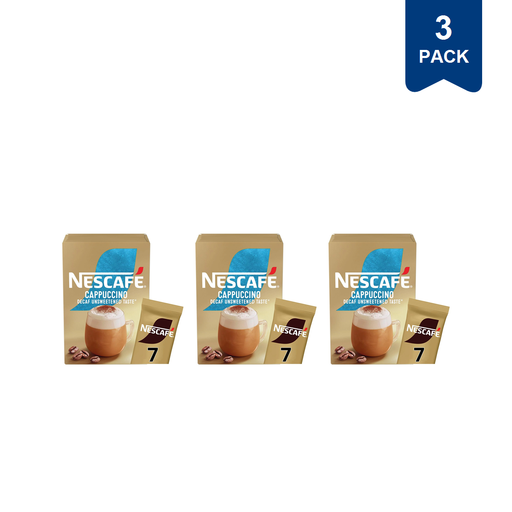
NESCAFÉ Cappuccino Decaf Unsweetened, 3-pack listing
This is a sachet option for preparing a milk-containing decaf cappuccino with a cup and hot water. The listing says both “7 sachets 105 g” and “3 packs”; confirm the total quantity before ordering. Check the current ingredients if milk or sugars matter to your choice.
View at Joybuy
 No image available
Kenco Decaff Instant Coffee 100 g
Plain instant decaf lets you choose any additions separately. The 100 g pack is not a single travel portion: bring a cup and hot water, and use a sealed container if you only want to carry a little coffee.
View at Joybuy
 No image available
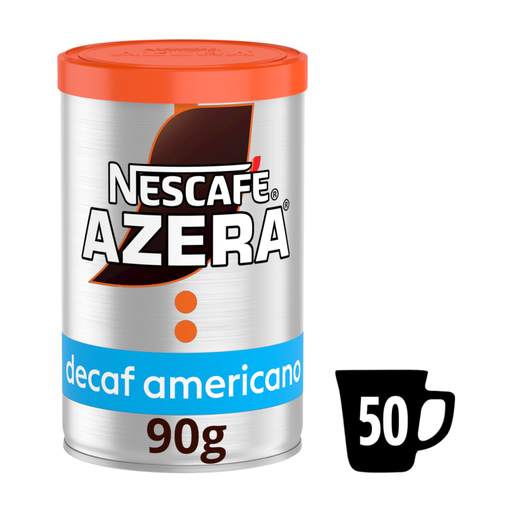
NESCAFÉ Azera Decaf Americano 90 g
This decaf Americano is an instant-coffee option when you have a cup and hot water. The 90 g tin is not a single-serve pack, so decide whether to carry it or take a portion in a sealed container.
View at Joybuy
 No image available
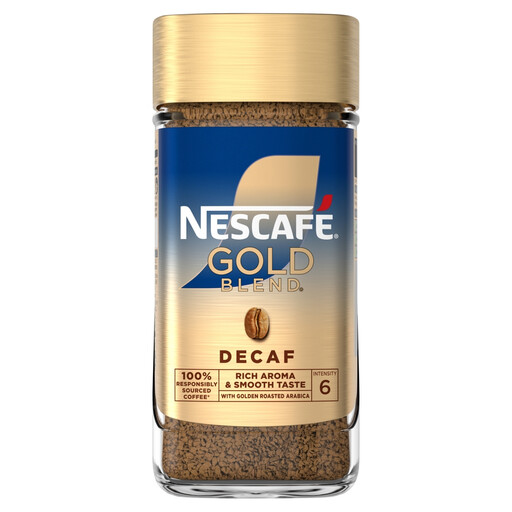
NESCAFÉ Gold Blend Decaf Coffee 190 g
Choose this plain soluble coffee if you want to add milk or sugar separately. NESCAFÉ gives a preparation measure of one teaspoon with 200 ml hot water. The 190 g jar is not a single-serve portion; pack a cup and consider a sealed container for a smaller amount.
View at Joybuy
Questions about decaf on trains
Can I bring my own decaf coffee onto a train?
Yes. National Rail says passengers are welcome to bring their own food and drink and should take care with hot drinks. If your coffee needs hot water, check catering information for your specific service before travelling.
Is a decaf sachet practical for a train journey?
A sachet is pre-portioned, but it is practical for making a drink only when you have a cup and hot water. NESCAFÉ says its Decaf Cappuccino Unsweetened Taste sachets contain milk and use laminate packaging that is not currently recyclable.
Does decaf coffee contain no caffeine?
Do not assume it is caffeine-free. NESCAFÉ reports approximately 5 mg of caffeine per 15 g serving for its Cappuccino Decaf variant. Check the exact product if residual caffeine is important to you.
What should I check if I need to avoid milk?
Read the current ingredients and allergen information, particularly for all-in-one cappuccino sachets. NESCAFÉ says its decaf cappuccino contains milk, while it lists Gold Blend Decaf as 100% soluble coffee with no allergens.


