
24/7 Customer Support

Free returns

Same-day & Next-day Delivery

Quality Guaranteed

Unlock Your Welcome Offers: FREE Delivery | Up to 80% OFF | Free 30-day JoyPlus trial
Download the APP
Decaf coffee is a practical choice for evening drinkers, people sensitive to caffeine and households that want a flexible hot drink without relying on regular coffee. However, comparing instant decaf coffee, beans, ground coffee and decaf coffee pods can be confusing when packaging focuses on vague claims rather than useful information.
The main buying traps are easy to overlook:
Your brewing equipment should determine your starting point:
For a simple decaf Americano, instant coffee or compatible capsules can reduce preparation time. If you prefer milk-based drinks, look for a flavour profile that can remain noticeable when combined with milk, whether you are making a decaf cappuccino or latte-style drink.
A straightforward decaf coffee may list decaffeinated soluble coffee, decaffeinated roast and ground coffee or decaffeinated roasted coffee beans as its ingredients. Check the label rather than assuming every product is pure coffee.
For example, NESCAFÉ Azera Decaf Americano contains decaffeinated soluble coffee and 5% decaffeinated roast and ground coffee. By contrast, NESCAFÉ Cappuccino Decaf includes skimmed milk powder, glucose syrup, lactose and coconut oil, so it contains milk and is a prepared cappuccino mix rather than plain black coffee.
This distinction matters if you are avoiding dairy, monitoring sugar intake or comparing the cost of coffee with the cost of a ready-made drink. Decaffeinated tea products should also be kept separate when shopping: Tetley and Yorkshire Tea Decaf are tea bags, not alternatives for someone specifically seeking coffee.
Instant coffee jars are convenient to reseal and store in a cool, dry place. Beans and ground coffee should be sealed after opening to protect aroma. Pods offer consistent portions but create more packaging and depend on the machine you already own.
Pack size is another useful comparison. A 90g or 100g jar may suit a single drinker trying a new style, while 190g, 200g or 300g jars are more practical for regular use. A 500g bag of beans can make sense for households with a grinder and several daily coffee drinkers, but may lose freshness if used slowly.
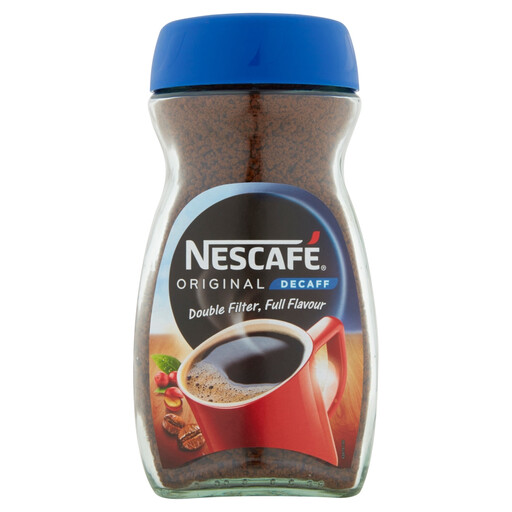
Why This Fits Their Persona: A 200g instant coffee jar is a straightforward starting point for UK households wanting everyday decaffeinated coffee without buying new equipment.
It uses a clear one-ingredient format, helping shoppers avoid paying for sweeteners, milk powders or flavouring when they want plain instant coffee.
Decaffeinated soluble coffee; simple hot-water preparation; 200g pack for regular home use.
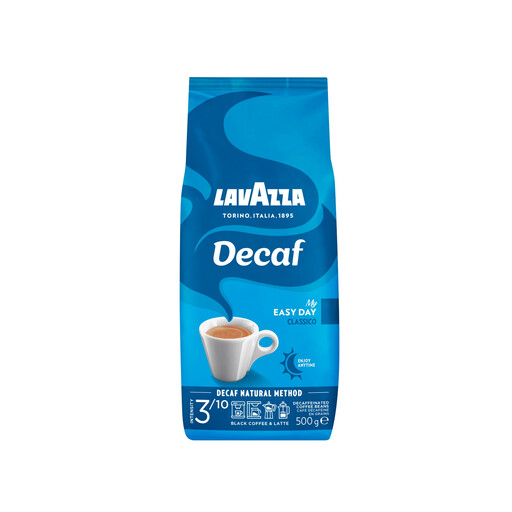
Why This Fits Their Persona: This suits coffee drinkers with a grinder or bean-to-cup machine who want to adjust grind and strength at home.
The format is clearly stated as decaffeinated roasted coffee beans, so shoppers can check equipment compatibility before ordering.
500g quantity; suitable for black coffee or drinks with milk; airtight storage is recommended after opening.
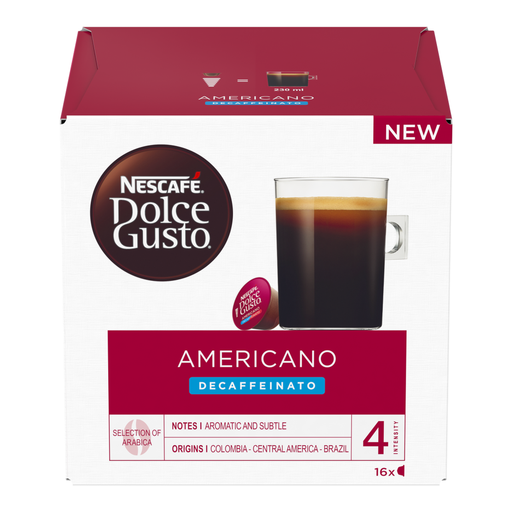
Why This Fits Their Persona: A useful option for busy households with a compatible Dolce Gusto machine and several people wanting individual servings.
The pack specifies 16 capsules and the compatible Dolce Gusto system, reducing uncertainty around portioning and machine fit.
16 individual capsules; decaffeinated roast and ground coffee; designed for high-pressure capsule machines.
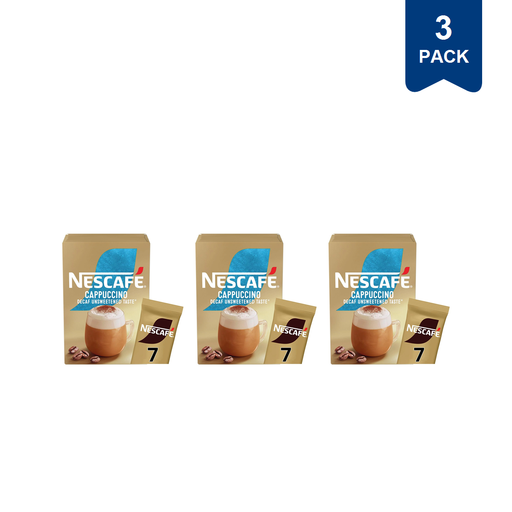
Why This Fits Their Persona: Individual sachets suit occasional cappuccino drinkers, guest refreshments and workplace cupboards where measured portions are useful.
The ingredients and milk allergen are stated clearly, helping shoppers distinguish a cappuccino mix from plain decaf coffee.
Seven sachets per pack; contains skimmed milk powder; prepared as a frothy cappuccino-style drink.
We have compiled a complete, real-time list of products that fully satisfy these strict selection criteria and UK safety regulations.
Usually not. Decaffeination removes most caffeine, but residual caffeine can remain. If you need to avoid caffeine as closely as possible, read the product information and follow any advice from a qualified healthcare professional.
It depends on the format. Instant coffee generally has low equipment costs, while beans require a grinder or bean-to-cup machine. Pods can be convenient but may cost more per serving than a jar. Compare pack size, servings and your existing equipment rather than judging by the shelf price alone.
Keep jars, beans and ground coffee in a cool, dry place. Reseal the pack after use and protect beans or ground coffee from moisture, heat and strong odours. Always follow the best-before guidance printed on the packaging.