Car boot sellers serving hot drinks
Tea bags make it straightforward to prepare individual servings. Keep the original packs with your supplies so visitors can check ingredients.


Choose decaf green tea if you want to offer green tea to visitors who are reducing caffeine. If the requirement is to avoid caffeine, offer a separately labelled herbal or rooibos infusion described as naturally caffeine-free instead. For either option, match the pack size to the servings you expect and keep its packaging available for ingredient checks.
Tea bags make it straightforward to prepare individual servings. Keep the original packs with your supplies so visitors can check ingredients.
Decaf green tea keeps the choice within the green-tea category. Check the exact pack’s caffeine wording rather than treating “decaf” as a promise of no caffeine.
Offer a clearly identified herbal or rooibos infusion that the pack describes as naturally caffeine-free, rather than labelling decaf green tea as caffeine-free.
Decide whether the drink needs to be green tea or caffeine-free, then check pack size and the information you will have available when serving it.
Choose it when: Visitors want green tea while reducing caffeine.
Bear in mind: Decaf should not be labelled as a caffeine-free drink.
Choose it when: You need a separate option for visitors avoiding caffeine.
Bear in mind: Herbal and rooibos infusions are not green tea, so label them by their actual ingredients.
| Priority | What to check | Your needs |
|---|---|---|
| Reduced caffeine | Look for “decaf green tea” on the exact pack. Read its caffeine statement; Twinings notes that green tea naturally contains caffeine. | I want to serve green tea to people who are reducing their caffeine intake. |
| Caffeine-free choice | Check that the herbal or rooibos product is described as naturally caffeine-free. Give it a label distinct from decaf green tea. | Some visitors may want to avoid caffeine rather than merely reduce it. |
| Pack size | Compare the stated bag count with your expected servings. Allow for the number of different drinks you plan to offer. | I want enough portions for the refreshment table without choosing a pack solely by its size. |
| Ingredients | Keep the original packaging accessible and check the ingredient information for each drink you serve. | Visitors should be able to identify what is in their chosen infusion. |
| Event service | Check which food-service requirements apply to your activity with the relevant local authority. Keep the drinks and their labels identifiable at the table. | If I supply or sell refreshments, I need to know what applies to my particular event activity. |
That label does not make the distinction clear to someone trying to avoid caffeine altogether.
Label decaf green tea separately from any herbal or rooibos infusion described as naturally caffeine-free.
A small pack can run out before you finish serving drinks. The supplied product names include decaf-green packs of 40 and 50 bags, while the Teapigs honeybush and rooibos pack contains 15 tea temples.
Estimate servings for each drink you intend to offer, then compare the stated pack counts.
Without the pack, visitors cannot readily inspect its printed ingredient information.
Keep each original box with the serving supplies and make sure it remains clear which drink it belongs to.
Calling an activity a car boot sale does not tell you which requirements apply to the way you supply refreshments.
Ask the relevant local authority about your activity, particularly if you plan to supply or sell drinks regularly.
These references help distinguish decaf green tea from other infusions; they do not indicate which products are stocked at an event or on Joybuy.
Clipper lists an Organic & Fairtrade Decaf Green Tea pack of 40 bags, with decaffeinated organically grown green tea as its ingredient.
Twinings explains that green tea naturally contains caffeine, a useful distinction when naming drinks on a refreshment table.
Pukka describes a range of its herbal teas as naturally caffeine-free.
Teapigs describes its Honeybush & Rooibos Tea as naturally caffeine-free and lists a 15-tea-temple pack.
Tesco’s decaf-green category listing identifies Tetley Green Tea Decaffeinated 50 Tea Bags 100g.
These options include one decaf green tea and four herbal infusions to consider as separately labelled alternatives. Check each herbal pack’s caffeine wording if a caffeine-free drink is essential.
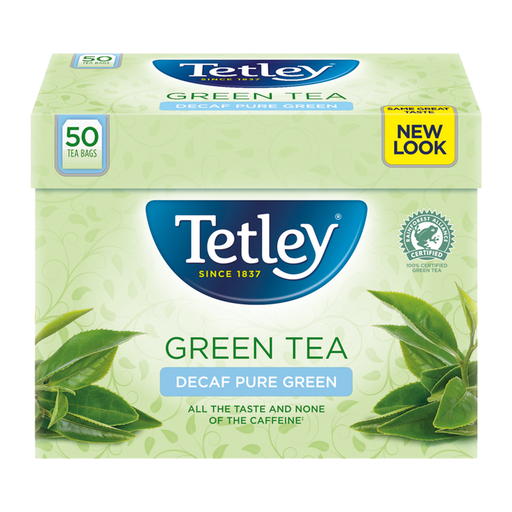 No image available
A decaf green-tea option for visitors reducing caffeine. The 50-bag count helps you plan individual servings; do not label it caffeine-free.
 No image available
Consider this peppermint infusion as a separate choice from decaf green tea. Check the pack’s caffeine and ingredient wording before labelling it for visitors; the stated pack size is 80.
 No image available
A lemon-and-ginger infusion rather than green tea, supplied as a 20-pack of tea bags. Check its caffeine wording and keep the pack available for ingredient questions.
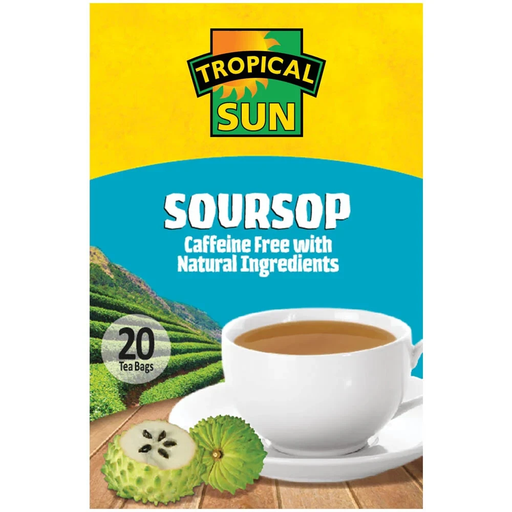 No image available
A soursop infusion to consider alongside, not as, decaf green tea. Its title states 20 tea bags; check the packaging before describing its caffeine content to visitors.
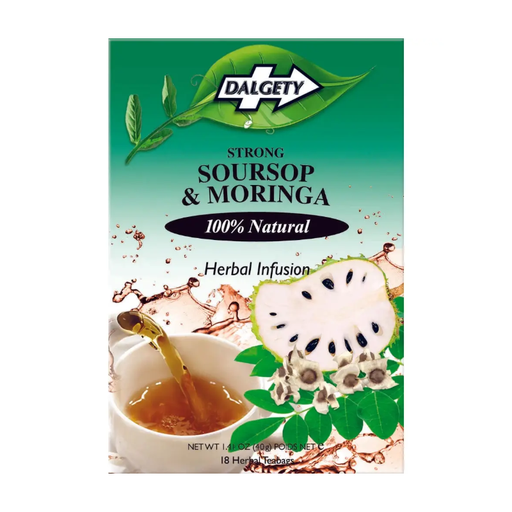 No image available
A soursop-and-moringa option to label separately from green tea. The title states 40g; check the pack for its serving count, ingredients and caffeine wording when planning refreshments.
No: choose decaf green tea for a reduced-caffeine green-tea option, not as a caffeine-free promise. Twinings notes that green tea naturally contains caffeine; check the exact decaf pack’s wording before labelling your drinks.
Offer a separately labelled herbal or rooibos infusion whose pack explicitly describes it as naturally caffeine-free. Pukka describes its herbal range that way, and Teapigs uses the same description for its Honeybush & Rooibos Tea; neither is green tea.
Keep the original packs available for ingredient checks and ask the relevant local authority which food-service requirements apply to your activity. GOV.UK’s guidance for community and charity events says food supplied or sold at those events must comply with food law; the requirements for your car boot sale depend on what you do.