Students cutting back on caffeine
Decaf green tea keeps the drink within the green-tea category while reducing caffeine. It is a different choice from a drink labelled caffeine-free.


Choose decaf green tea if you want to keep drinking green tea while reducing caffeine. Twinings says minor caffeine traces can remain after decaffeination; if avoiding caffeine is the priority, choose an explicitly caffeine-free herbal infusion instead, knowing it will taste different. For a first cupboard, compare bag counts and the space you have before choosing a pack.
Decaf green tea keeps the drink within the green-tea category while reducing caffeine. It is a different choice from a drink labelled caffeine-free.
Look for a product labelled decaffeinated green tea rather than substituting a herbal infusion. The ingredients and flavour will differ.
A smaller box may suit a trial or limited cupboard space; a larger box may suit someone who expects to make tea regularly. Twinings lists a 20-bag decaf green tea, while Clipper lists a 40-bag pack.
Decide whether you want less caffeine or a drink labelled caffeine-free, then check the tea type and pack size.
| Priority | What to check | Your needs |
|---|---|---|
| Decaf green tea | Look for both “decaffeinated” and “green tea” on the pack. Twinings says minor caffeine traces can remain after decaffeination. | I want to cut back on caffeine without changing from green tea, and trace caffeine is acceptable for me. |
| Caffeine-free alternative | Check for an explicit caffeine-free statement and read the ingredients. Pukka describes its caffeine-free range as herbal tea, not decaf green tea. | Avoiding caffeine matters more to me than keeping the flavour and ingredients of green tea. |
| Pack size | Check the number of bags and where the box will go. Twinings lists 20 bags of Pure Green Decaffeinated; Clipper lists 40 bags of Organic & Fairtrade Decaf Green Tea. | For my first cupboard, I would rather choose a pack size I expect to use and have room to store. |
| Preparation | Read the brewing directions on the exact pack, including any water-temperature and infusion-time guidance. | In a shared kitchen, I want instructions I can follow with the kettle and cup available to me. |
Twinings says minor caffeine traces can remain in decaffeinated tea. That distinction matters if avoiding caffeine, rather than reducing it, is your requirement.
Choose a green tea explicitly labelled decaffeinated for a reduced-caffeine option. For a different drink labelled caffeine-free, check the statement and ingredients on a herbal infusion.
Regular green tea is not a substitute for a product specifically labelled decaffeinated when reducing caffeine is the reason for buying it.
Check the product name and pack for “decaffeinated green tea” rather than relying on “green tea” alone.
The Twinings decaf green-tea box lists 20 bags, while the Clipper box lists 40. Box size changes how much tea you bring into a new cupboard.
Choose the smaller pack if you want to try it first or have little storage space; consider the larger one if you expect to use it regularly.
These brand ranges help distinguish decaf green tea from herbal alternatives; they do not indicate which products are available on Joybuy.
Twinings lists Pure Green Decaffeinated in a 20-tea-bag box.
Clipper lists a 40-bag Organic & Fairtrade Decaf Green Tea made with decaffeinated organically grown green tea.
Pukka describes a range of naturally caffeine-free herbal teas.
teapigs presents regular green teas and a separate caffeine-free category.
These Joybuy options are for students willing to switch from green tea to a herbal infusion. Neither is a decaf green tea; check each pack’s caffeine information if avoiding caffeine is essential to your choice.
 No image available
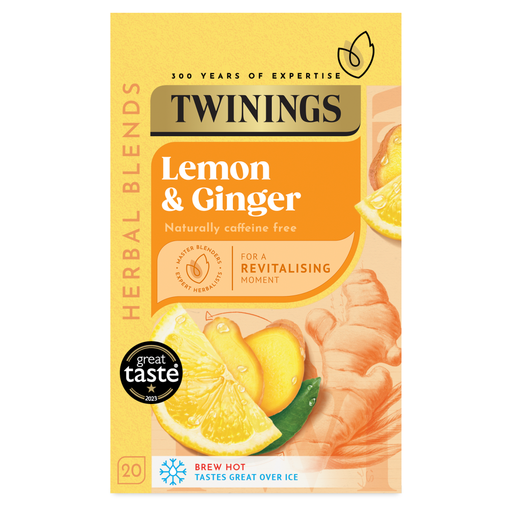
Consider this lemon and ginger option if you are happy to switch away from green tea. The product name identifies a pack of 20 tea bags; check the pack’s caffeine statement and ingredients before choosing it to avoid caffeine.
 No image available
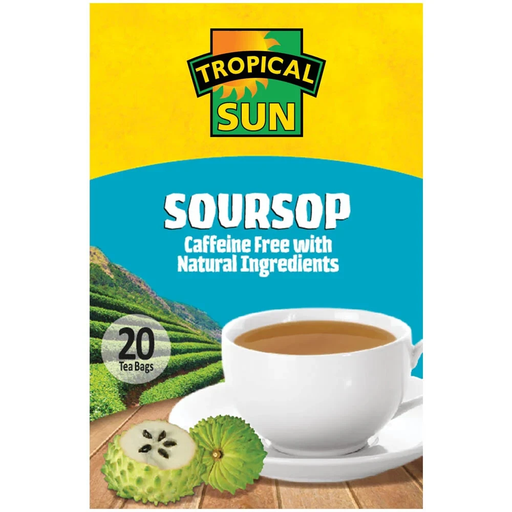
Consider soursop tea if a different drink from green tea suits you. The product name identifies 20 tea bags; check the pack’s caffeine information and preparation directions before buying.
Not necessarily. Twinings says decaffeination removes nearly all the caffeine but minor traces can remain. If you want a drink labelled caffeine-free rather than reduced in caffeine, check a herbal infusion’s caffeine statement and ingredients.
Choose by how much tea you expect to use and the space you have: Twinings lists 20 bags of Pure Green Decaffeinated, while Clipper lists 40 bags of Organic & Fairtrade Decaf Green Tea. A smaller box may suit a trial; a larger one may suit regular use.
Regular green tea is not decaffeinated. If reducing caffeine is the reason for changing your evening drink, choose a product explicitly labelled decaf green tea, or consider a drink labelled caffeine-free if you are willing to switch to a herbal infusion.