Green-tea drinkers reducing afternoon caffeine
For someone who wants to keep the flavour of green tea, a decaffeinated green tea is a more direct change than switching to a herbal infusion. Decaf does not necessarily mean caffeine-free.


Choose decaf green tea for an older person who enjoys green-tea flavour but wants to reduce caffeine; decaf tea can still contain very low levels of caffeine, according to University Hospitals of Leicester NHS Trust. If avoiding caffeine is the priority, choose a clearly labelled caffeine-free herbal infusion instead, recognising that it will taste different. Anyone taking warfarin should keep their green-tea intake consistent and discuss a planned change with their anticoagulation team, pharmacist or prescriber, as Cambridge University Hospitals NHS Foundation Trust advises.
For someone who wants to keep the flavour of green tea, a decaffeinated green tea is a more direct change than switching to a herbal infusion. Decaf does not necessarily mean caffeine-free.
The NHS says caffeine can irritate the bladder and worsen incontinence. A decaf tea reduces the caffeine associated with regular green tea, while a clearly labelled caffeine-free infusion is a different-flavoured option.
Cambridge University Hospitals NHS Foundation Trust advises consistent green-tea intake for people taking warfarin. University Hospitals Coventry and Warwickshire NHS Trust advises people managing iron deficiency to keep tea away from mealtimes. These considerations still matter when planning afternoon tea.
Start with whether green-tea flavour or caffeine avoidance matters more, then check the label and how the tea will fit the person’s usual routine.
| Priority | What to check | Your needs |
|---|---|---|
| Green-tea flavour | Look for green tea explicitly labelled decaffeinated; check the ingredients rather than assuming every green tea has reduced caffeine. Clipper and Twinings each list a decaf green tea. | I want to keep a familiar green-tea cup while cutting back on afternoon caffeine. |
| Caffeine avoidance | Distinguish decaffeinated from caffeine-free. University Hospitals of Leicester NHS Trust says decaffeinated tea may retain very low levels of caffeine, depending on production; check the individual pack when a strict limit matters. | If avoiding caffeine is more important than green-tea flavour, I would consider an infusion clearly labelled caffeine-free. |
| Bladder concerns | Check the drink’s caffeine labelling and follow any individual care advice. The NHS identifies caffeine as a possible irritant for people with incontinence and suggests water or herbal and fruit teas in place of caffeinated drinks. | Afternoon drinks need to fit a routine in which urgency or frequent toilet visits are a concern. |
| Medicines and meals | For warfarin, plan changes to green-tea intake with the anticoagulation team, pharmacist or prescriber. For iron deficiency, University Hospitals Coventry and Warwickshire NHS Trust advises avoiding tea within one hour before or after meals. | I need afternoon tea to fit existing advice about warfarin or the timing of tea around food. |
| Preparation | Check the pack’s brewing directions and bag count. Clipper advises letting boiled water cool for a minute and infusing its decaf green tea for 1–3 minutes; another product’s directions may differ. | A straightforward tea-bag routine matters when preparing afternoon tea for someone else. |
Regular green tea contains caffeine, while decaffeinated tea may still contain very low levels, according to University Hospitals of Leicester NHS Trust.
Check whether the specific pack says decaffeinated or caffeine-free. Choose a clearly labelled caffeine-free infusion if avoiding caffeine takes priority over green-tea flavour.
Cambridge University Hospitals NHS Foundation Trust says green tea contains a small amount of vitamin K and advises people taking warfarin not to start or stop drinking it suddenly. Decaffeination does not turn green tea into a different type of drink.
Keep intake consistent and ask the anticoagulation team, pharmacist or prescriber about a planned change.
University Hospitals Coventry and Warwickshire NHS Trust says tea with a meal can greatly reduce iron absorption for people managing iron deficiency.
Follow its advice to leave at least one hour between tea and a meal, whether serving tea before or afterwards.
These references distinguish decaf green tea from herbal alternatives and regular green tea; they do not indicate that every product is available in the Joybuy selection below.
Clipper lists a decaffeinated green tea for shoppers who want green tea rather than a herbal infusion.
Twinings lists Pure Green Decaffeinated as a green-tea option with reduced caffeine.
Tesco lists Tetley Green Tea Decaffeinated in its decaf-green-tea category.
Pukka describes a range of naturally caffeine-free herbal teas: an alternative when green-tea flavour is not essential.
Teapigs describes caffeine in the green tea shown on its UK green-tea page.
These options include a decaf green tea for keeping green-tea flavour and other tea-bag flavours to consider if moving away from green tea. Check the individual label when caffeine avoidance or ingredient suitability matters.
 No image available
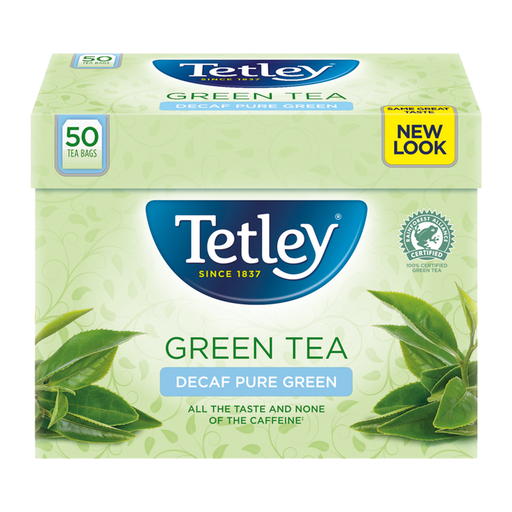
For someone keeping green-tea flavour while reducing caffeine, this is a decaffeinated green tea in a 50-bag, 100g pack. Check the pack if a particular caffeine limit matters; anyone taking warfarin should seek individual advice before changing their usual green-tea intake.
 No image available
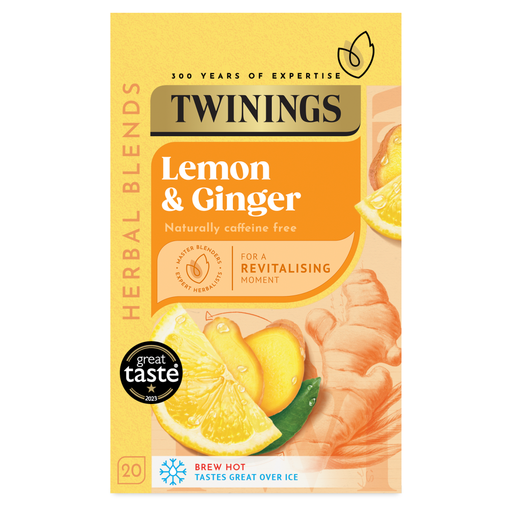
The 20-bag pack offers lemon and ginger rather than green-tea flavour. If choosing it to avoid caffeine, confirm the caffeine-free wording and ingredients on the current pack.
 No image available
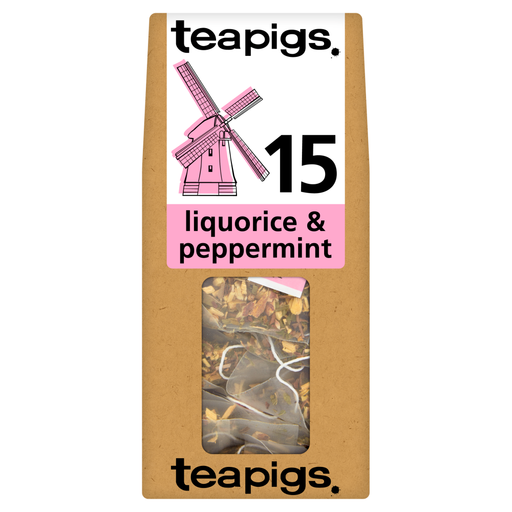
This 15-bag liquorice and mint option has a different flavour from green tea. Check its caffeine-free labelling and ingredients before serving it to someone with medicine or dietary considerations.
 No image available
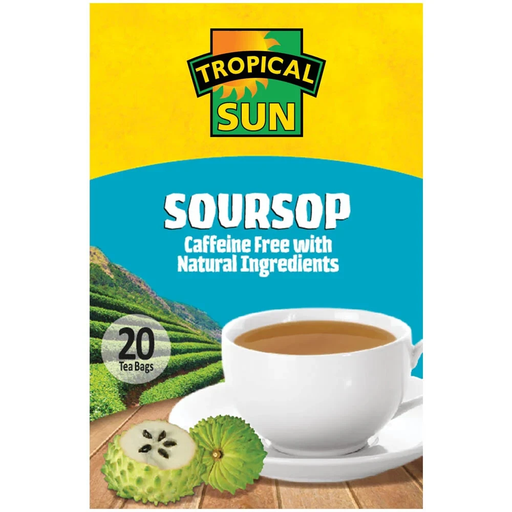
This 20-bag soursop option is a change from green-tea flavour. Check its ingredients and caffeine-free labelling if choosing an alternative for someone who avoids caffeine.
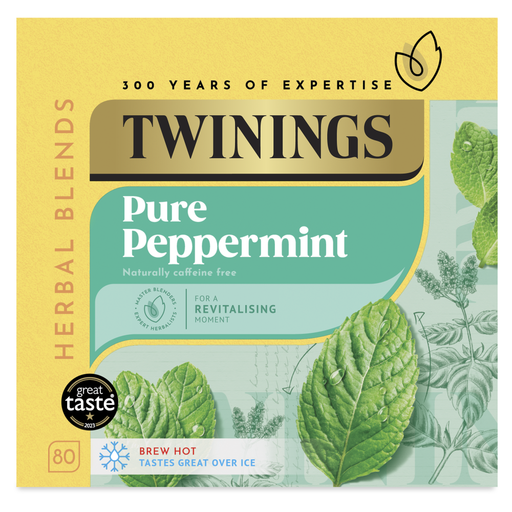 No image available
The 80-pack offers peppermint flavour in place of green tea. Check the current pack’s ingredients and caffeine-free labelling if those details govern the choice.
Not necessarily. University Hospitals of Leicester NHS Trust says decaffeinated tea may still contain very low levels of caffeine, depending on how it was produced. Check the pack if a particular limit matters, or choose a clearly labelled caffeine-free infusion when avoiding caffeine is the priority.
Caffeine is worth considering when choosing their afternoon drink: the NHS says it can irritate the bladder and worsen incontinence. Decaf green tea retains green-tea flavour while reducing caffeine; water or a caffeine-free herbal or fruit tea is another option. New, persistent or worsening symptoms need clinical assessment rather than a change of tea alone.
They should discuss a planned change in green-tea intake with their anticoagulation team, pharmacist or prescriber. Cambridge University Hospitals NHS Foundation Trust advises people taking warfarin to drink green tea consistently and avoid suddenly starting or stopping it; a decaf label does not remove that consideration.
For someone managing iron deficiency, University Hospitals Coventry and Warwickshire NHS Trust advises leaving at least one hour between tea and a meal, before or after eating, because tea with food can greatly reduce iron absorption. This is advice for that situation, not a reason for everyone to avoid tea with food.
Clipper advises boiling fresh water, letting it cool for a minute and infusing its decaf green tea for 1–3 minutes. Follow the directions on the specific pack if serving another product.