Choose decaf green tea with a night-shift snack if you want the taste of green tea while reducing caffeine before your planned sleep. Decaf can still contain traces of caffeine, so choose an infusion labelled naturally caffeine-free instead if avoiding caffeine matters more than keeping a green-tea base. Check blended teas carefully: green tea, matcha, mate and guarana can contain caffeine.
Who is each option for?
Night workers planning to sleep after a shift
If you want a warm drink with a snack, consider when you plan to sleep as well as what the tea contains. NHS night-shift guidance advises minimising caffeine in the evening; a naturally caffeine-free infusion avoids the residual-caffeine question that comes with decaf tea.
Green-tea drinkers cutting back on caffeine
Decaf green tea keeps a green-tea base without making the drink caffeine-free. Twinings lists Pure Green Decaffeinated, while Clipper lists a decaffeinated green tea made from green-tea leaves.
Shoppers seeking to avoid caffeine
A herbal infusion labelled naturally caffeine-free is a different route from decaf green tea. Check the full ingredients too: a herbal-sounding blend may contain caffeinated ingredients such as mate or guarana.
What should you check before buying?
Start with whether you want to reduce caffeine or choose a drink labelled caffeine-free; then check the tea base and any added ingredients.
| Priority | What to check | Your needs |
|---|
| Caffeine route |
Look for an explicit decaffeinated or naturally caffeine-free statement. Twinings says minor caffeine traces can remain in decaf tea; the two descriptions are not interchangeable. |
If I am cutting back but still want green tea, decaf fits that choice. If I want to avoid caffeine, I would look for a naturally caffeine-free infusion instead. |
| Tea base |
Check whether the ingredients identify decaffeinated green tea or a fruit and herbal infusion. The latter will not provide a green-tea cup. |
The flavour of green tea matters to me, even if a herbal drink would offer a different caffeine route. |
| Blended ingredients |
Read the caffeine statement and full ingredient list, particularly for green tea, matcha, mate and guarana. Yogi Tea labels its Green Energy blend as containing caffeine and lists both green tea and guarana. |
A green or herbal name alone is not enough for me to decide whether to drink it close to planned sleep. |
| Shift timing |
Consider the interval between your snack break and intended sleep alongside the drink’s caffeine status. NHS night-shift guidance advises minimising caffeine in the evening. |
If I expect to sleep soon after my shift, caffeine avoidance matters more to me than choosing a green-tea flavour. |
Which label assumptions cause confusion?
-
Reading ‘decaf’ as ‘caffeine-free’
Decaffeinated tea can retain minor traces of caffeine, according to Twinings. That distinction matters when the aim is to avoid caffeine rather than reduce it.
Choose a product labelled naturally caffeine-free for the avoidance route; choose decaf green tea when keeping a green-tea base is the priority.
-
Trusting a green or herbal name on its own
A blend can contain caffeine even when its name suggests herbs or green tea. Yogi Tea’s Green Energy, for example, is marked as containing caffeine and lists guarana.
Check both the caffeine statement and the ingredient list for green tea, matcha, mate or guarana before choosing a drink for the end of a shift.
Which brand ranges are relevant?
These brand ranges illustrate different caffeine routes; a brand name alone does not establish the status of every blend it sells.
Clipper
Clipper lists a 40-bag decaf green tea made from decaffeinated organically grown green tea.
- Its product page says it uses carbon dioxide in the decaffeination process.
- This is decaf green tea, not a product stated to be naturally caffeine-free.
Twinings
Twinings lists Pure Green Decaffeinated tea bags within its UK decaf range.
- The range offers a named decaf option for shoppers who want a green-tea base.
- Twinings says minor caffeine traces tend to remain after decaffeination.
Pukka
Pukka has a naturally caffeine-free herbal range as well as a separate green-tea range.
- Its herbal range offers an alternative when green tea is not essential.
- Its green-tea range includes matcha; do not assume those products are decaf.
teapigs
The teapigs green-tea range includes jasmine pearls, mao feng and green tea with mint.
- The range offers several green-tea styles for shoppers choosing by flavour.
- teapigs describes the range as having a caffeine buzz; check a specific product before treating it as decaf.
Yogi Tea
Yogi Tea’s Green Energy shows why a blended tea needs a product-level caffeine check.
- The Green Energy ingredient list identifies green tea and guarana.
- Yogi Tea marks this particular blend as containing caffeine, so it is not a decaf-green option.
Joybuy tea options for a night-shift snack
These options include a decaf green tea for keeping the green-tea base and herbal infusions for a different caffeine route. Check the current pack wording and ingredients when avoiding caffeine is essential to your choice.
 No image available
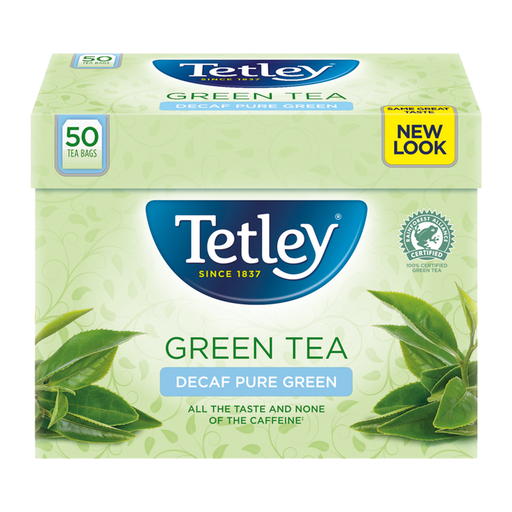
Tetley Green Tea Decaffeinated, 50 Tea Bags, 100g
For a snack break when you want green tea while reducing caffeine. The Joybuy listing describes it as decaffeinated to 0.2%; that does not give the caffeine amount in a prepared cup or mean the tea is caffeine-free.
View on Joybuy
 No image available
Twinings Lemon & Ginger Tea Bags, 20 Pack
A herbal option rather than green tea. The listing describes this 20-bag infusion as naturally caffeine-free; check the pack’s ingredient and caffeine wording if avoiding caffeine is essential.
View on Joybuy
 No image available
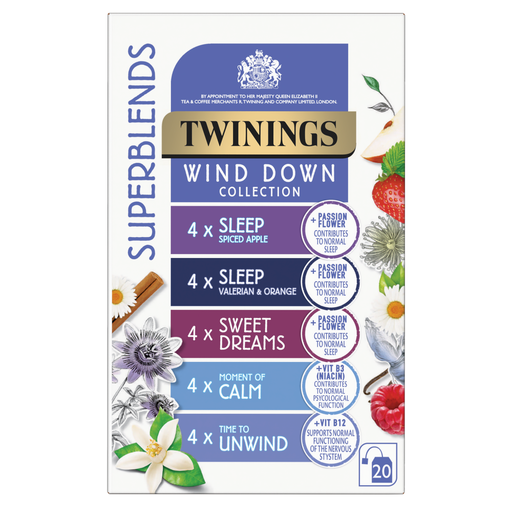
Twinings Superblends Wind Down Collection, 20 Tea Bags, 33.2g
For someone who wants a choice of fruit and herbal blends rather than green tea. The listing describes the collection’s infusions as naturally caffeine-free; check the ingredients of the individual blends on the pack.
View on Joybuy
 No image available
Twinings Pure Peppermint, 80 Pack
A peppermint infusion for a snack break, not a green tea. The listing identifies peppermint as the sole ingredient and describes the drink as caffeine-free; check the current pack if that claim is central to your choice.
View on Joybuy
 No image available
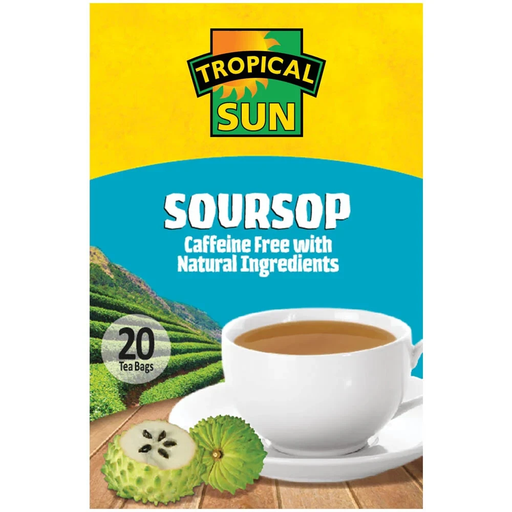
Tropical Sun Soursop Tea, 20 Tea Bags
A soursop-leaf infusion rather than green tea. The listing describes it as caffeine-free and gives hot- and cold-brewing options; confirm the ingredient and caffeine statements on the pack if avoiding caffeine is essential.
View on Joybuy
Common questions
Does decaf green tea contain no caffeine?
Not necessarily. Twinings says decaffeination removes nearly all the caffeine but minor traces tend to remain. If avoiding caffeine is the deciding factor, look for an infusion labelled naturally caffeine-free and check its ingredients.
What should I choose near the end of a night shift?
Choose a naturally caffeine-free infusion if you want to avoid caffeine before planned sleep; choose decaf green tea if keeping a green-tea base matters and reducing caffeine meets your needs. NHS night-shift guidance advises minimising caffeine in the evening, so consider your own shift and sleep timing rather than relying on the word ‘decaf’ alone.
Are matcha and herbal energy blends automatically decaf?
No. Pukka’s green-tea range includes matcha, and Yogi Tea explicitly labels its Green Energy blend as containing caffeine; that blend lists guarana as well as green tea. Check the particular product’s caffeine statement and ingredients.
Which words on the pack help distinguish the options?
‘Decaffeinated green tea’ identifies the lower-caffeine green-tea route, while ‘naturally caffeine-free’ identifies a different claim to check on a herbal infusion. Read the full ingredient list too: mate or guarana can introduce caffeine into a blend that otherwise sounds herbal.


