For a retirement shop, choose a pack explicitly labelled decaffeinated green tea when shoppers want green tea with less caffeine. Decaf tea can still contain very low levels, according to NHS Lancashire Teaching Hospitals; if avoiding caffeine is the priority, a caffeine-free herbal infusion is a different kind of drink. Among decaf green teas, compare pack size and the sourcing information that matters to your shoppers.
Who is the shop buying for?
A retirement shop can offer a choice without assuming that every older shopper wants to give up ordinary tea.
Shoppers reducing caffeine
They may want the familiar type of drink made from green tea, but in a pack specifically labelled decaffeinated. The distinction matters: NHS Lancashire Teaching Hospitals notes that decaf tea may retain very low caffeine levels.
Shoppers following individual advice
Someone who has been advised to reduce caffeine needs clear product labels, not a shop-wide assumption about what suits them. Keep decaffeinated tea distinct from a product described as caffeine-free, and leave individual health questions to their clinician or pharmacist.
Shoppers checking ingredients and sourcing
For these shoppers, the bag count alone will not settle the choice. Clipper’s specified decaf green tea lists organically grown tea and Fairtrade sourcing, while Clipper says it uses a CO2 decaffeination process.
What should you check before ordering?
Decide whether the shelf needs decaffeinated green tea, a caffeine-free herbal alternative, or both. Then compare the details on the exact packs you intend to order.
| Priority | What to check | Your needs |
|---|
| Tea and caffeine label |
Look for “decaffeinated green tea” in the name and ingredients. Check any claim on the exact pack; decaffeinated does not mean caffeine-free. |
I want green tea while reducing caffeine, rather than switching to a herbal drink. If caffeine avoidance is essential, I need to check the alternative’s label instead. |
| Individual choice |
Keep the distinction between decaf and caffeine-free clear on shelf labels. Avoid presenting either as a response to an individual medical condition. |
Shoppers should be able to choose without the shop assuming that everyone needs decaf or promising a particular effect. |
| Pack size and supply |
Compare the stated bag counts: Tetley has a 50-bag decaf green tea listing, Clipper a 40-bag one and Twinings a 20-bag one. Confirm current stock and the physical pack details before a repeat order. |
For routine stocking, I may prefer more bags per box. A smaller box makes more sense when testing whether shoppers want that particular tea. |
| Ingredients and sourcing |
Read product-level ingredient and sourcing statements. Tesco lists organically grown green tea and Fairtrade sourcing for Clipper’s 40-bag decaf product; Clipper states that it uses CO2 decaffeination. |
Some shoppers ask how their decaf green tea is sourced or processed. I need those details for the product on the shelf, not an assumption about the whole brand. |
What can cause confusion?
-
Reading “decaf” as “caffeine-free”
NHS Lancashire Teaching Hospitals says decaffeinated tea may retain very low caffeine levels, depending on how it is produced. That distinction matters when someone needs to avoid caffeine rather than reduce it.
Use the wording on the pack accurately. Offer a separately labelled caffeine-free herbal infusion as a different choice, not as decaf green tea.
-
Relying on a retailer’s category name
Tesco’s decaf-green-tea category also displayed a rooibos product. Rooibos is not green tea made from tea leaves, even when “green” appears in its name.
Check the product name and ingredients before labelling or shelving a drink as decaffeinated green tea.
-
Planning an order from a visible listing alone
A product page can remain visible when the item cannot be ordered. Tesco’s Twinings and Clipper decaf-green-tea listings were marked out of stock when checked.
Confirm current availability for the delivery area and check the physical pack label when goods arrive.
-
Promising an individual benefit from switching
A decaf label describes a product choice; it does not establish how a particular shopper will respond. Northumbria Healthcare’s care-setting pilot does not turn decaf into a universal recommendation.
Describe the caffeine choice without making medical promises. Shoppers with individual restrictions or concerns should follow their clinician’s or pharmacist’s advice.
Which brand references are useful?
These examples help distinguish specific decaf green teas from other drinks bearing a familiar tea brand; a brand name alone does not establish what is in a particular pack.
Twinings
Tesco lists Twinings Green Tea Decaffeinated in a 20-bag box.
- The Tesco ingredient listing identifies decaffeinated green tea and states “decaffeinated to 0.2%” for this product.
- Check the current pack details and availability before choosing it for regular stocking.
Clipper
Clipper’s 40-bag decaf green tea is a product-level option for shoppers interested in ingredients and sourcing.
- Tesco lists organically grown green tea and Fairtrade sourcing for this product; Clipper says its decaffeination process uses CO2.
- Check availability with the retailer you intend to use rather than assuming one listing reflects another.
Tetley
Tesco lists Tetley Green Tea Decaffeinated as a 50-bag product.
- Its stated bag count provides a larger box than the specified 40-bag Clipper and 20-bag Twinings products.
- Confirm the current ingredients and pack wording for the item being ordered.
Pukka
Pukka’s caffeine-free herbal range represents an alternative drink category, not the same choice as decaf green tea.
- Pukka identifies herbal teas in its UK caffeine-free range.
- Its Supreme Matcha Green contains green tea and matcha; do not treat that product as decaf green tea.
Teapigs
Teapigs lists a decaf English Breakfast tea made with decaffeinated black tea.
- It offers a clearly identified decaf black-tea option for a different tea preference.
- That listing does not make it a decaf green tea; check the tea type as well as the decaf wording.
Tesco
Tesco’s product listings can be used to check specific decaf-green-tea pack details and current ordering options.
- Its listings identify the specified Tetley, Clipper and Twinings pack sizes.
- Its decaf-green-tea category has also displayed rooibos, so verify the ingredients rather than relying on the category heading.
Herbal alternatives on Joybuy
These Joybuy options are herbal infusions, not decaffeinated green teas. Consider them only for shoppers who want a different drink and prefer products described as caffeine-free; check the current pack wording if caffeine avoidance is essential.
 No image available
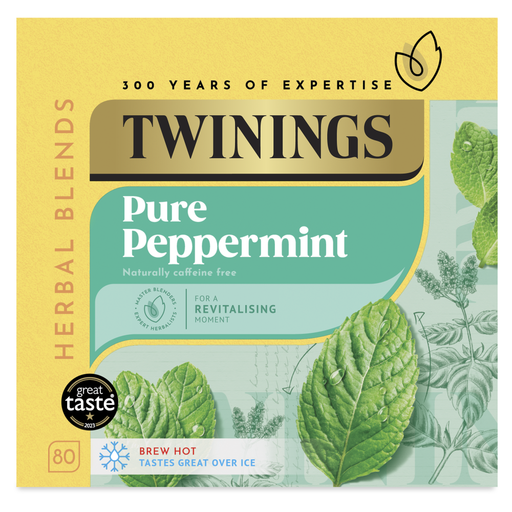
Twinings Pure Peppermint 80 Pack
Consider this peppermint infusion when stocking a herbal alternative rather than green tea. The product description states 100% peppermint, 80 tea bags and a caffeine-free claim; check the current pack wording if that claim is decisive.
View on Joybuy
 No image available
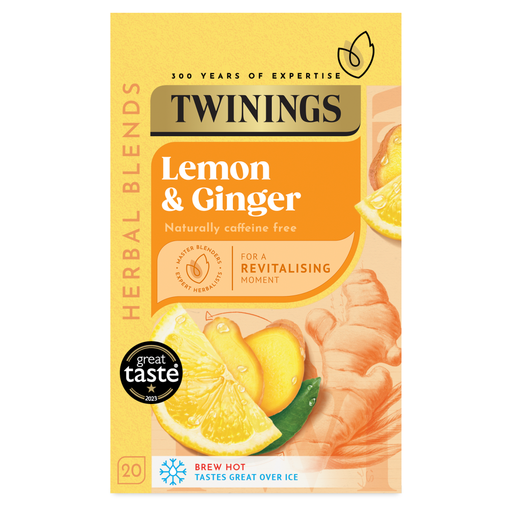
Twinings Lemon & Ginger Tea Bags 20 Pack
This 20-bag herbal infusion offers a smaller box when trying an alternative to green tea. Its product description identifies ginger root and lemon peel and calls the infusion naturally caffeine-free; check the current pack wording if that claim is decisive.
View on Joybuy
 No image available
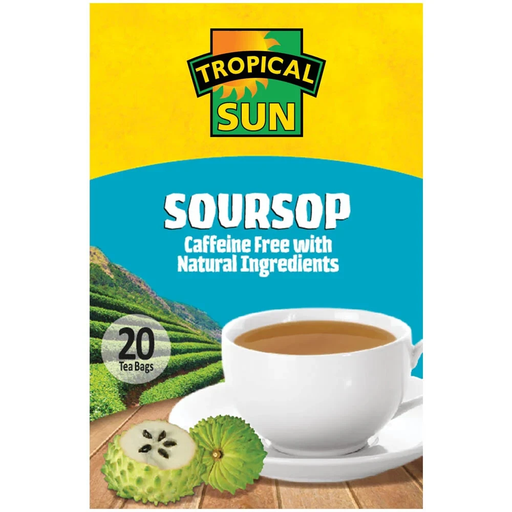
Tropical Sun Soursop Tea 20 Tea Bags
This soursop-leaf infusion is another herbal choice, not decaffeinated green tea. The product description states 100% soursop leaves, 20 tea bags, hot- and cold-brew instructions and a caffeine-free claim; check the current pack wording if that claim is decisive.
View on Joybuy
Common questions
Is decaf green tea completely caffeine-free?
Not necessarily. NHS Lancashire Teaching Hospitals says decaffeinated tea may retain very low caffeine levels depending on production. Tesco’s listing states “decaffeinated to 0.2%” for the specified Twinings product; that wording does not mean zero caffeine or describe every decaf tea.
Why not stock ordinary green tea instead?
Ordinary green tea contains caffeine, so it does not answer a request for decaffeinated green tea. Twinings estimates around 30–40 mg per 200 ml cup for its regular green tea, with the amount affected by the tea and brewing. Check for a specifically labelled decaf pack when caffeine reduction is the aim.
Should a retirement shop offer only decaf tea?
No universal shop-wide switch follows from the evidence. Northumbria Healthcare described a local care-setting pilot that offered decaf by default while keeping caffeinated drinks available on request. For a shop, clear labels and a choice of drinks avoid assuming every shopper has the same preference.
When would a herbal infusion fit better than decaf green tea?
A herbal infusion is a separate option when a shopper wants a product described as caffeine-free and does not require green tea. Pukka lists caffeine-free herbal teas, for example, while its Supreme Matcha Green contains green tea and matcha. Check the exact infusion’s ingredients and pack label rather than treating every herbal or green-labelled drink as interchangeable.


