Green-tea drinkers reducing caffeine
If green-tea flavour is part of your evening routine, look for a decaffeinated green tea rather than an ordinary one. Twinings notes that minor traces of caffeine can remain after decaffeination.


If you want green-tea flavour in an evening drink while reducing caffeine, choose green tea clearly labelled decaffeinated, but bear in mind that traces of caffeine can remain, as Twinings explains. If avoiding caffeine matters more than keeping that flavour, choose a naturally caffeine-free herbal infusion instead; the NHS notes that caffeine in tea can make you feel more awake.
If green-tea flavour is part of your evening routine, look for a decaffeinated green tea rather than an ordinary one. Twinings notes that minor traces of caffeine can remain after decaffeination.
A herbal infusion labelled caffeine-free is a different choice from decaf green tea. Check the ingredients of the particular blend, especially if caffeine avoidance is important to you.
Include tea alongside other caffeine sources when considering your daily intake. The NHS advises no more than 200 mg of caffeine a day during pregnancy; decaf should not be treated as automatically caffeine-free.
Choose it when: You want green tea in the evening but would rather reduce caffeine than drink regular green tea.
Bear in mind: Twinings says traces of caffeine can remain, while Clipper says decaffeination can change flavour.
Choose it when: Avoiding caffeine matters more to you than retaining green-tea flavour.
Bear in mind: This is not green tea; check that the particular blend is labelled caffeine-free.
Choose it when: You want ordinary green tea and are not trying to avoid caffeine at that time of day.
Bear in mind: Teapigs labels its Mao Feng green tea as naturally containing caffeine, and NHS sleep guidance notes that caffeine in tea can make you feel more awake.
| Priority | What to check | Your needs |
|---|---|---|
| Bedtime caffeine | Check whether the pack says decaffeinated or caffeine-free. Twinings says decaffeinated tea can retain minor traces of caffeine; the NHS suggests herbal tea as an alternative to caffeinated tea near bedtime. | I would like an evening drink with less caffeine, but I still want to know whether it contains any. |
| Tea type | Read the ingredients to distinguish green tea from a herbal infusion. If avoiding caffeine, check the claim on the exact blend rather than relying on its flavour or colour. | Keeping green-tea flavour matters to me, or I am happy to switch to a different kind of drink. |
| Flavour and format | Compare the stated ingredients and pack size. Clipper says its carbon-dioxide decaffeination process can take away some flavour; its decaf green tea is labelled organic and Fairtrade. | I would prefer plain green tea, a particular herbal blend or a smaller box to try first. |
| Daily intake | During pregnancy, consider caffeine from other foods and drinks as well as tea. The NHS advises a daily limit of 200 mg during pregnancy, and decaf is not necessarily caffeine-free. | I am keeping track of caffeine across the day, not just in my bedtime drink. |
Regular green tea contains caffeine. Teapigs explicitly labels its Mao Feng green tea as naturally containing caffeine, while the NHS notes that caffeine in tea can make you feel more awake.
For an evening green tea with reduced caffeine, look for a decaffeinated label. If avoiding caffeine is the priority, check for a caffeine-free herbal infusion instead.
Twinings explains that minor traces of caffeine can remain in decaffeinated tea. A caffeine-free herbal infusion is a different type of drink, with different ingredients and flavour.
Read both the caffeine wording and the ingredient list on the exact product. If a blend contains guarana, bear in mind that the NHS identifies it as a caffeine source.
Twinings lists Pure Green Decaffeinated in its UK decaf range.
Clipper lists a decaffeinated green tea made with organically grown green tea and labelled Fairtrade.
Pukka lists naturally caffeine-free herbal teas, including a Night Time range, as an alternative to green tea.
Teapigs lists both green teas and caffeine-free teas, so the individual product matters.
Tesco is a retailer where individual decaffeinated green-tea listings can be checked.
These options include caffeine-free herbal infusions and a roasted green-tea powder described as lower in caffeine. None is presented here as decaffeinated green tea, so check which route fits your evening drink.
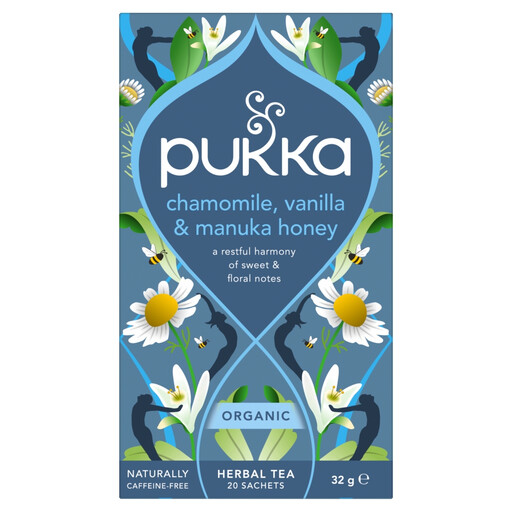 No image available
Consider this herbal infusion if you want a bedtime drink described in the product listing as caffeine-free rather than green tea. The listing advises consulting a healthcare professional before use during pregnancy or if you have health concerns.
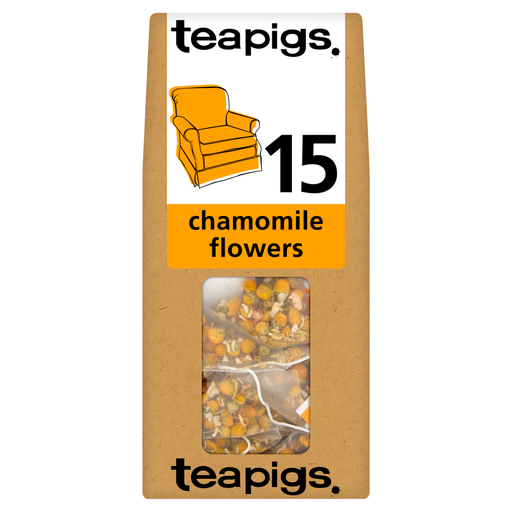 No image available
This is a chamomile infusion described in the product listing as caffeine-free. It suits a switch to a herbal drink, but will not provide green-tea flavour.
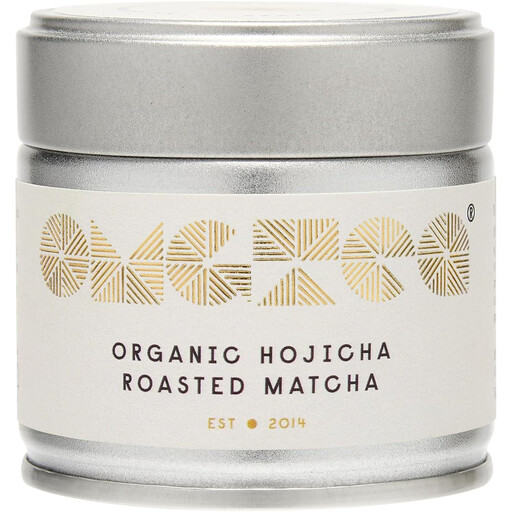 No image available
This roasted green-tea powder is described in the product listing as lower in caffeine, not decaffeinated or caffeine-free. Check the caffeine information against the amount of powder you would use in a drink before choosing it for the evening.
Not necessarily. Twinings explains that decaffeination removes nearly all caffeine but minor traces can remain. If avoiding caffeine matters more than green-tea flavour, check for a herbal infusion labelled caffeine-free.
Regular green tea is not the caffeine-avoidance option: Teapigs labels its Mao Feng green tea as naturally containing caffeine. NHS sleep guidance notes that caffeine in tea can make you feel more awake and suggests herbal tea as an alternative.
Check that the product is green tea and is explicitly labelled decaffeinated, then read its ingredients and brewing instructions. If organic or Fairtrade labelling matters to you, check those claims on the exact product; Clipper lists both on its decaf green tea.
Yes, allow for the possibility of residual caffeine rather than treating decaf as caffeine-free. The NHS advises no more than 200 mg of caffeine a day during pregnancy, including caffeine from other foods and drinks.