Guests who want green-tea flavour
Decaffeinated green tea keeps the choice within green tea while reducing caffeine. It suits an evening cup when avoiding every trace of caffeine is not the aim; Twinings notes that decaf tea can retain minor traces.


Pack decaffeinated green tea bags if you want green-tea flavour while reducing caffeine; Twinings explains that minor traces can remain after decaffeination. If avoiding caffeine altogether matters more than drinking green tea, choose a herbal infusion described as naturally caffeine-free and check the exact blend. Either bagged option is straightforward to make with a kettle and cup, provided your hotel room has them.
Decaffeinated green tea keeps the choice within green tea while reducing caffeine. It suits an evening cup when avoiding every trace of caffeine is not the aim; Twinings notes that decaf tea can retain minor traces.
A naturally caffeine-free herbal infusion is the alternative if you are happy to drink something other than green tea. Pukka describes many of its herbal teas as naturally caffeine-free, so check the particular blend rather than relying on the category name.
Tea bags can go straight into a cup without an infuser or strainer. Check that your room has a usable kettle and cup, then pack the number of bags you expect to use.
Choose when: You want green tea and are looking to reduce caffeine.
Bear in mind: Twinings says minor traces of caffeine can remain after decaffeination.
Choose when: Avoiding caffeine matters more to you than keeping green-tea flavour.
Bear in mind: Herbal infusions are not green tea; check that the exact blend is described as caffeine-free.
| Priority | What to check | Your needs |
|---|---|---|
| Tea type | Check whether the pack says decaffeinated green tea or herbal infusion. If avoiding caffeine, check the caffeine statement for the exact blend. | I want green tea with less caffeine, or I am willing to switch drinks to avoid caffeine altogether. |
| Room equipment | Confirm that the room has a usable kettle and cup. Choose bags if you are not taking an infuser or strainer. | With only a kettle and cup, I would rather not pack loose-tea equipment. |
| Brewing directions | Read the pack for water and infusion guidance. Clipper advises cooling freshly boiled water for one minute, then infusing its decaf green tea for 1–3 minutes. | I want to make a cup in an unfamiliar room without guessing how long to leave the bag in. |
| Pack size | Check the bag count against the length of your stay and whether anyone else will share the tea. | For a short trip, I may only need to carry a few bags; for a longer stay, I need enough for the cups I plan to make. |
Twinings explains that minor traces of caffeine tend to remain in decaffeinated tea. That matters if your aim is to avoid caffeine rather than reduce it.
Check the wording on the exact pack. If you want a different type of drink described as naturally caffeine-free, consider a herbal infusion and check its blend.
A caffeine-free herbal infusion is a different drink from decaffeinated green tea, with a different flavour.
Choose decaf green tea if green-tea flavour is central to your choice; choose a herbal infusion only if its ingredients appeal to you.
Loose leaves can call for an infuser or strainer that you may not have in your room.
If you expect to have only a kettle and cup, pack tea bags and follow the directions for the product you choose.
Joybuy's cited listing for Tetley Green Tea Decaffeinated 50 Tea Bags stated that it was out of stock when checked.
Check current stock and delivery before relying on any listing for a trip.
Twinings lists decaffeinated tea for shoppers who want to reduce caffeine while continuing to drink tea.
Clipper identifies its 40-bag decaf green tea as made with decaffeinated organically grown green tea and describes the tea as Fairtrade.
Joybuy's cited Tetley Green Tea Decaffeinated listing identifies a 50-tea-bag pack.
Pukka describes many of its herbal teas as naturally caffeine-free, making them a different route from decaf green tea.
These tea-bag options are herbal alternatives for a hotel-room cup when you would rather switch from green tea to a product described as caffeine-free. They are not decaffeinated green teas; check that your room has a kettle and cup.
 No image available
A lemon-and-ginger herbal infusion for someone happy to switch from green tea. The product description calls it naturally caffeine-free; it comes as 20 tea bags and gives a 3–5 minute brewing instruction.
 No image available
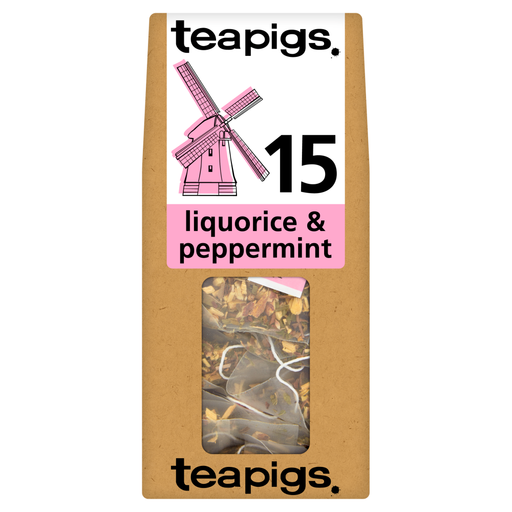
A liquorice-and-mint herbal infusion rather than green tea. Its product description calls it caffeine-free; the 15-bag pack gives directions for 200–250 ml of water and a 3–5 minute infusion.
 No image available
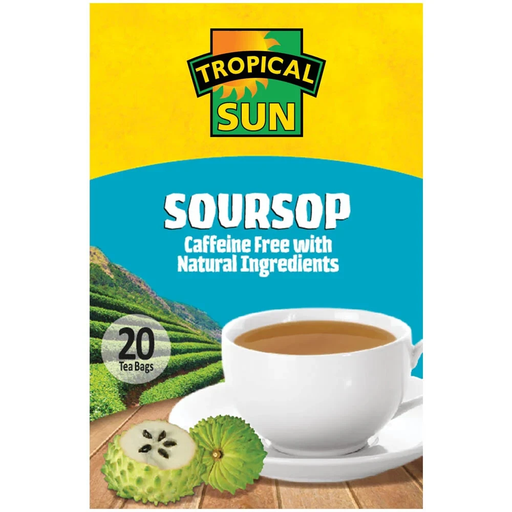
A soursop-leaf infusion for someone open to a flavour other than green tea. The product description calls it caffeine-free; it comes as 20 tea bags and gives hot-brewing directions for 200 ml of water.
 No image available
A peppermint infusion rather than green tea. The product description identifies it as caffeine-free and specifies 100% peppermint and 80 tea bags. Follow the pack's brewing directions when making a cup.
No. Twinings explains that decaffeination removes nearly all the caffeine but minor traces tend to remain. If avoiding caffeine is your priority, check an individual herbal blend described as naturally caffeine-free instead of assuming that decaf means none.
Tea bags avoid the need to carry an infuser or strainer, provided your room has a usable kettle and cup. Follow the directions for your chosen tea: for its decaf green tea, Clipper advises cooling freshly boiled water for one minute before infusing the bag for 1–3 minutes.
It can if you are willing to give up green-tea flavour. Pukka describes many of its herbal teas as naturally caffeine-free, but a herbal infusion is a different drink; check the ingredients and caffeine statement for the blend you plan to pack.