What should you check first?
Start with the claim on the individual pack, then separate products by caffeine labelling and preparation format. A request to avoid caffeine altogether calls for a different check from a request to reduce it.
| Priority | What to check | Your needs |
|---|
| Organic status |
Check the specific pack’s organic claim and certification details. The Department for Environment, Food & Rural Affairs says UK organic food labelling requires compliance with organic production rules, at least 95% organic agricultural ingredients and certification of the product and suppliers by an approved control body. |
I’m looking for organic green tea, not simply packaging that describes a product as natural or ethical. |
| Caffeine |
Distinguish standard, decaffeinated and explicitly caffeine-free products. Twinings says its green tea contains approximately 30–40mg caffeine per 200ml cup; that figure is for Twinings green tea, not every product here. Decaf labelling alone does not establish zero caffeine. |
For tea later in the day, I want to know whether the pack says decaffeinated. The NHS notes that caffeine can make people feel more awake, while NHS Tayside identifies it as a possible aggravating factor for bladder frequency, urgency and incontinence. |
| Medication routine |
Check ingredients and avoid making a new regular green-tea habit into a medication-suitability claim. Cambridge University Hospitals advises people taking warfarin to keep intake of vitamin-K-containing foods consistent and says consistent green-tea intake is acceptable within that guidance. |
If I take warfarin, I need advice from my pharmacist, GP or anticoagulation service before making a substantial change to my usual intake. |
| Preparation |
Compare a tea bag with a blend or powder, and follow that product’s instructions. For its organic matcha powder, Twinings specifies 1g powder, 70ml water cooled to 70°C–80°C and whisking. |
A tea bag fits a straightforward cup; I’d choose matcha powder if I want that format and am comfortable measuring and whisking it. |
Which brands are relevant?
These brand references help distinguish formats and claims; check the individual product before applying a range-wide description to a shop label.
Clipper
Clipper lists organic green teas, including Organic & Fairtrade Decaf Green Tea in a 40-bag format.
- Clipper identifies decaffeinated organically grown green tea as the decaf product’s ingredient and describes the tea as traded in compliance with Fairtrade standards.
- Its decaf description does not establish that the drink is caffeine-free or suitable for every customer who has been told to avoid caffeine.
Pukka
Pukka describes its products as certified organic and offers Supreme Matcha Green, a green-tea-and-matcha blend.
- Supreme Matcha Green offers a matcha-containing tea-bag format rather than loose powder.
- Brand wellbeing language is not evidence of a medical effect or of suitability for an individual customer.
Twinings
Twinings offers green tea and a separately identified 100% organic matcha powder.
- Twinings provides measured preparation instructions for its organic matcha powder: 1g with 70ml water cooled to 70°C–80°C, then whisked.
- The matcha powder’s organic claim must not be extended to the entire Twinings green-tea range.
teapigs
teapigs lists tea and organic tea leaves among the categories in its UK collection.
- Check a specific teapigs green-tea pack before describing that individual product as organic.
Joybuy green-tea and matcha options
These options cover matcha powder, a green-tea bag, matcha-containing blends and a latte mix. Compare their individual labels before using an organic or caffeine description on a retirement-shop shelf; this selection does not serve as a decaf range.
 No image available
OMGTea AA Organic Matcha Gift Set, 30g
This gift set is a matcha-powder option for shoppers interested in preparing matcha rather than infusing a tea bag. Check the current pack’s organic claim and preparation directions before describing it for shop use.
View on Joybuy
 No image available
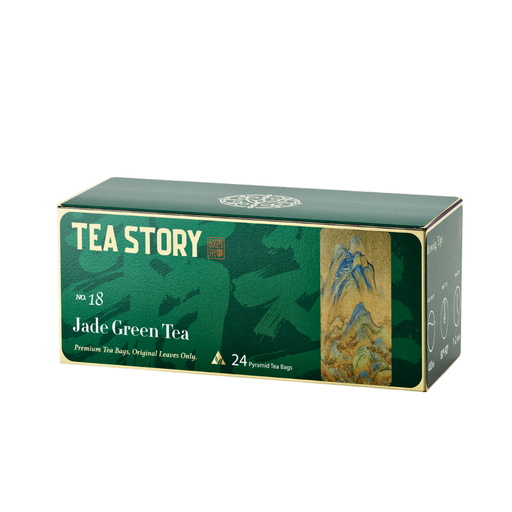
TEA STORY Jade Green Tea, ECOCERT Organic Pyramid Bags, 24 × 2g
A green-tea-bag format for shoppers who prefer an infusion to matcha powder. Check the current pack’s organic certification details; do not present these bags as decaffeinated without an explicit decaf label.
View on Joybuy
 No image available
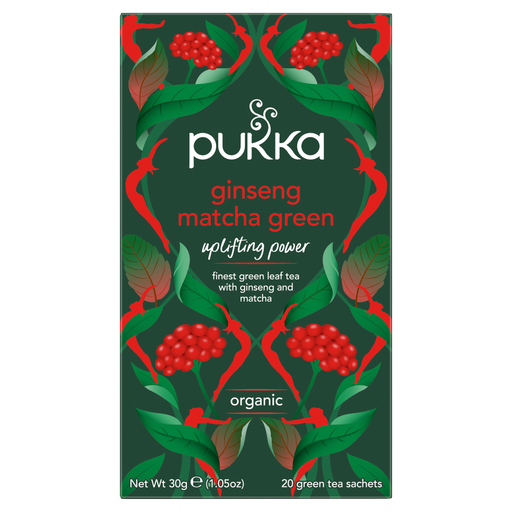
Pukka Ginseng Matcha Green, 30g
This matcha-containing blend is an option for shoppers seeking something other than plain green tea. Pukka describes its products as certified organic; check this pack’s claim and ingredients before labelling the individual blend, and do not treat it as a decaf choice.
View on Joybuy
 No image available
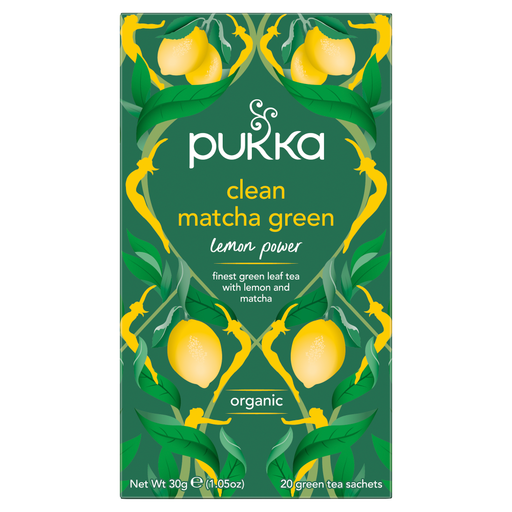
Pukka Clean Matcha Green, 30g
This is another matcha-containing blend rather than plain green tea. Check its individual organic claim and ingredient list when comparing it with the Ginseng Matcha Green variant; its name does not establish decaf status.
View on Joybuy
 No image available
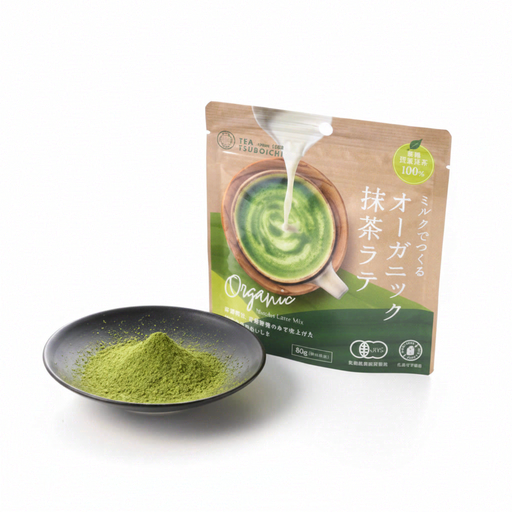
Tsuboichi Seicha Organic Matcha Latte Mix, 80g
A latte mix for shoppers seeking that format rather than plain green tea or pure matcha powder. Check the current pack’s organic claim and ingredients before placing it with other organic green-tea products.
View on Joybuy
Common questions
What does ‘organic’ mean on a UK green-tea label?
It is a regulated food claim, not a synonym for ‘natural’. The Department for Environment, Food & Rural Affairs says organic labelling requires the applicable production rules to be met, at least 95% organic agricultural ingredients, and certification of the product and suppliers by an approved control body. Check the claim on the specific product.
Is decaffeinated green tea caffeine-free?
Do not assume it is. Decaffeinated green tea is a reduced-caffeine choice, not evidence of zero caffeine. If avoiding caffeine is the requirement, check an explicitly caffeine-free herbal infusion instead of describing decaf green tea as caffeine-free.
Is decaf green tea worth including in a retirement-shop range?
It gives customers reducing caffeine a separate green-tea choice alongside standard tea. The NHS notes that caffeine can make people feel more awake, and NHS Tayside identifies it as a possible aggravating factor for bladder frequency, urgency and incontinence. It remains an option, not a replacement every customer needs.
What if a customer taking warfarin wants to drink green tea regularly?
Refer a substantial change in their usual intake to their pharmacist, GP or anticoagulation service rather than judging medication suitability at the shelf. Cambridge University Hospitals advises people taking warfarin to keep vitamin-K-containing foods and drinks consistent and says consistent green-tea intake is acceptable within its guidance.
How does matcha powder differ from a green-tea bag?
Powder needs its own measured preparation rather than a bag infusion. For example, Twinings instructs buyers of its organic matcha powder to whisk 1g powder with 70ml water cooled to 70°C–80°C. Follow the directions for the product chosen rather than applying those measurements to every matcha product.


