Travellers reducing caffeine
Decaffeinated green tea keeps green tea in the cup while reducing caffeine. Twinings notes that decaffeinated tea can still contain traces, so check whether reduction meets your needs.


Choose decaffeinated green tea if you want green tea while reducing caffeine, but not if you need a drink with no caffeine: Twinings explains that traces can remain after decaffeination. A naturally caffeine-free herbal infusion is a different drink to consider when avoiding caffeine matters more than green-tea flavour. Whichever tea bags you pack, check whether you can get hot water on your journey or prepare a drink before boarding.
Decaffeinated green tea keeps green tea in the cup while reducing caffeine. Twinings notes that decaffeinated tea can still contain traces, so check whether reduction meets your needs.
A dry pack is straightforward to carry, whether you choose a smaller 20-bag pack or a larger 40-bag pack. Tea bags still need water and time to brew; check what will be practical on your service.
A herbal or fruit infusion may suit someone who does not need green-tea flavour. Check the exact blend: ingredients such as mate or guarana can contain caffeine.
Decide whether you want green tea with less caffeine or a different, caffeine-free infusion; then check the ingredients and how you will make the drink.
| Priority | What to check | Your needs |
|---|---|---|
| Caffeine | Look for an explicit decaffeinated label if reducing caffeine. Twinings says its UK decaf range is decaffeinated to 0.2% and that traces can remain. For a caffeine-free herbal infusion, check the blend for mate or guarana. | I still want green tea, but would prefer less caffeine. If I need to avoid caffeine, I would choose a suitable herbal or fruit infusion instead of assuming decaf means none. |
| Tea type | Read the ingredient list to distinguish decaffeinated green tea, regular green tea and herbal infusions. A green-tea blend is not necessarily decaffeinated. | Green-tea flavour matters to me, so I want to know whether the pack contains green tea rather than a differently flavoured herbal drink. |
| Journey preparation | Check the bag count and brewing directions, then check hot-water access for your particular train. Clipper instructs users to infuse its decaf green tea for 1–3 minutes. | Will I be able to make a drink during the journey, or would preparing one before boarding be more practical? |
| Sourcing claims | Check organic or Fairtrade statements on the exact product, separately from its decaf label. Clipper describes its 40-bag decaf green tea as organically grown and traded in compliance with Fairtrade standards. | If those sourcing attributes matter to me, I want them stated for the tea I am buying, not just associated with the brand. |
Twinings explains that minor traces of caffeine can remain in decaffeinated tea. That distinction matters if you intend to avoid caffeine altogether.
Read the exact decaf wording. If you prefer a naturally caffeine-free infusion, check its ingredients for mate or guarana.
Regular green tea contains caffeine; changing how you brew it does not make it a decaffeinated product.
Choose a tea explicitly labelled decaffeinated when caffeine reduction is the reason for your purchase.
A tea bag is not a ready-to-drink option. Clipper’s decaf green tea, for example, needs hot water and 1–3 minutes to infuse.
Check catering arrangements for your service, or consider preparing a drink before boarding.
These examples distinguish decaf green tea from regular green tea and herbal alternatives; a brand’s wider range does not establish the attributes of every blend.
Clipper lists Organic & Fairtrade Decaf Green Tea in a 40-bag pack.
Twinings lists Pure Green Decaffeinated in a 20-bag pack.
Tesco Groceries lists Tetley Green Tea Decaffeinated as a 50-bag product.
Pukka presents a caffeine-free herbal range as an alternative to green tea.
teapigs lists regular green-tea varieties for shoppers who are comfortable choosing a caffeinated tea.
These packs cover decaffeinated green tea and herbal alternatives for travellers willing to choose a different flavour. All are tea bags rather than ready-to-drink options, so plan how you would prepare a cup.
 Image unavailable
A herbal alternative when green-tea flavour is not essential. The description calls this 20-bag infusion naturally caffeine-free and lists ginger, lemon flavouring, lemongrass, blackberry leaves, lemon peel and fennel. Its stated brewing time is 3–5 minutes with freshly boiled water; check whether you can prepare it on your journey.
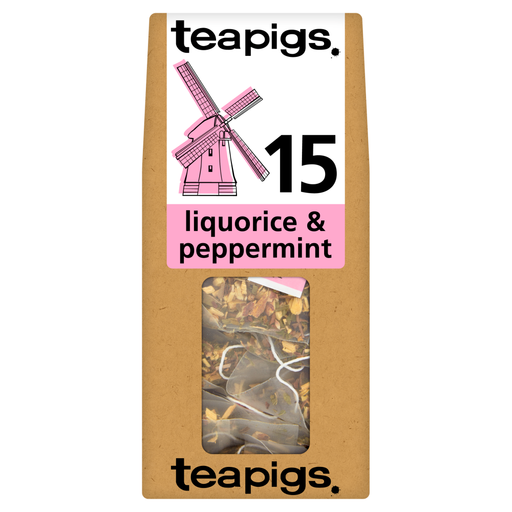 Image unavailable
This is a liquorice-root and peppermint infusion, not green tea. The description calls it caffeine-free and specifies 15 bags and a 3–5 minute brew with freshly boiled water. Choose it only if that different flavour appeals and you can arrange hot water.
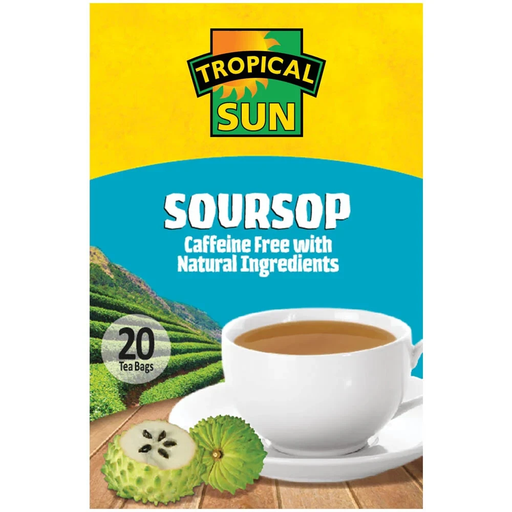 Image unavailable
A soursop-leaf infusion rather than green tea, described in the listing as caffeine-free. The 20-bag product lists soursop leaves as its sole ingredient and gives hot- and cold-brew methods; its stated cold-brew time is 5–7 minutes. Plan where and how you would make it during travel.
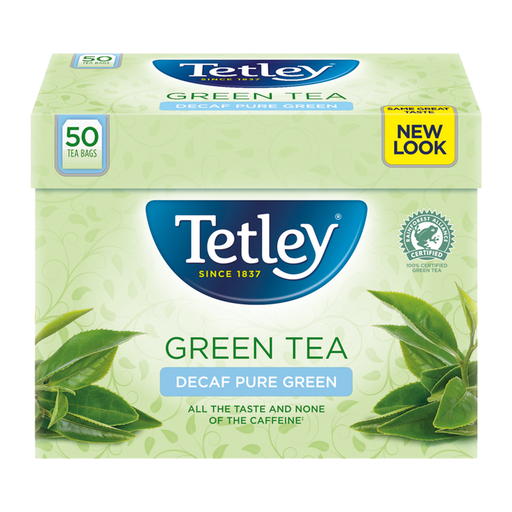 Image unavailable
This 50-bag option is for travellers who want green tea with reduced caffeine rather than a herbal infusion. The listing describes 100% decaffeinated green tea and states decaffeination to 0.2%; it does not establish a zero-caffeine drink. Because the listing also includes conflicting chilled-soft-drink wording, confirm the pack identity and brewing directions before relying on it for your journey.
 Image unavailable
A larger-pack herbal alternative if you prefer peppermint to green tea. The description calls it a caffeine-free infusion and lists 100% peppermint and 80 tea bags. Check the pack’s brewing directions and your hot-water arrangements before taking it on a train.
No. Twinings says decaffeination removes nearly all the caffeine but can leave minor traces; it describes its UK decaf range as decaffeinated to 0.2%. If you want a naturally caffeine-free herbal or fruit infusion instead, check the blend for ingredients such as mate or guarana.
Only if you have a practical way to prepare them. Clipper instructs users to brew its decaf green tea with hot water for 1–3 minutes; check your particular service’s catering arrangements or prepare a drink before boarding.
No. Organic and Fairtrade statements concern different product attributes from caffeine content. Check the decaf wording separately: Twinings explains that decaffeinated tea can retain traces of caffeine.
Keep them dry and protected from being crushed, using their packaging or a clean, sealed container. Before packing them, work out whether you will have the water and time needed to brew your chosen tea.