Green-tea drinkers reducing caffeine
If you want to keep drinking green tea, look for “decaffeinated” on the specific pack rather than choosing by flavour or appearance. Twinings says minor traces of caffeine can remain in decaf tea.


Choose a pack explicitly labelled decaffeinated if you want green tea while reducing caffeine; Twinings notes that traces can remain. If you need a caffeine-free drink instead, an explicitly caffeine-free herbal infusion is a different option, but it is not green tea. For a small top-up, check the ingredients and bag count as well as the caffeine wording.
If you want to keep drinking green tea, look for “decaffeinated” on the specific pack rather than choosing by flavour or appearance. Twinings says minor traces of caffeine can remain in decaf tea.
Check how many bags you will use before choosing a refill size. Tesco lists 50 bags for Tetley Green Tea Decaffeinated, Clipper lists 40 for its decaf green tea, and Twinings lists 20 for Pure Green Decaffeinated.
If avoiding caffeine entirely matters more than retaining green tea, look for an infusion explicitly described as caffeine-free and check its ingredients. Pukka describes its caffeine-free herbal range separately from its green-tea range.
Choose when: You want green tea but are reducing caffeine.
Bear in mind: Decaf does not guarantee zero caffeine; Twinings says minor traces can remain.
Choose when: A drink explicitly described as caffeine-free matters more to you than green-tea ingredients.
Bear in mind: A herbal infusion is a different type of drink from green tea.
| Priority | What to check | Your needs |
|---|---|---|
| Green-tea identity | Look for both “green tea” and “decaffeinated” on the pack. Check the ingredients so a regular green tea is not mistaken for a decaf one. | I want to keep green tea in my routine while cutting down on caffeine. |
| Caffeine wording | Distinguish “decaffeinated” from “caffeine-free”. Tesco’s Tetley listing and Twinings’ decaf range state decaffeination to 0.2%; Twinings says minor traces can remain. | If I need to avoid caffeine entirely, I would look for a drink explicitly described as caffeine-free rather than assume decaf means none. |
| Refill size | Check the bag count and the exact variant before ordering. The listed decaf green-tea packs contain 20 bags from Twinings, 40 from Clipper or 50 from Tetley, according to their respective product listings. | A smaller box may fit a brief top-up; if I drink it regularly, I may prefer more bags in one refill. |
Twinings says minor traces of caffeine remain after decaffeination, so “decaf” is not a zero-caffeine promise.
If you need to avoid caffeine, check for an explicit caffeine-free statement and read the ingredients rather than relying on “decaf” alone.
A herbal-sounding name does not establish caffeine status. Pukka lists matcha products in its green-tea range and presents caffeine-free herbal teas separately.
Choose a pack explicitly labelled decaffeinated green tea for the green-tea route, or check for an explicitly caffeine-free infusion if that is what you need.
A decaffeinated green-tea option listed by Tesco in a 50-bag, 100g pack.
A 40-bag decaf green-tea option for shoppers interested in its stated sourcing and decaffeination process.
Pure Green Decaffeinated is listed by Twinings in a 20-bag pack.
Its caffeine-free herbal collection is relevant if you are willing to choose an infusion instead of green tea.
Its listed green-tea collection provides regular green-tea options, not an explicitly identified decaf green-tea choice.
These 20-bag teas offer alternatives to green tea for a small top-up; neither is decaffeinated green tea. Check each product’s caffeine statement if avoiding caffeine is essential to your choice.
 No image available
Consider this lemon and ginger tea for a 20-bag top-up if you are open to a drink other than green tea. Check its ingredients and caffeine statement before choosing it for caffeine avoidance.
 No image available
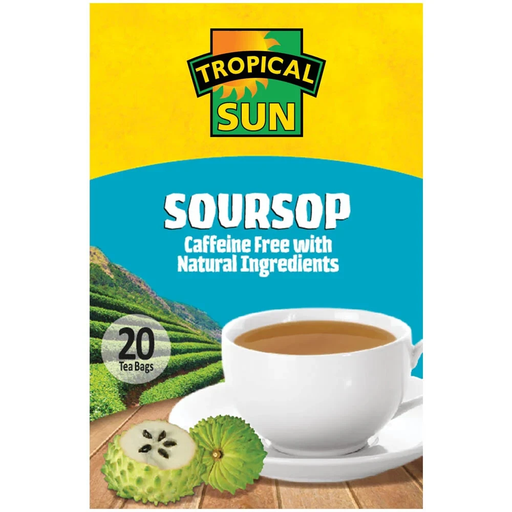
This 20-bag soursop tea is another option if you are willing to move away from green tea. Check the ingredients and caffeine statement for the exact pack before ordering.
No. Twinings says minor traces of caffeine can remain in decaffeinated tea. Twinings’ UK decaf range and the Tetley green-tea listing at Tesco state decaffeination to 0.2%, not zero caffeine.
Choose explicitly labelled decaf green tea if you want green tea while reducing caffeine. If you need a drink described as caffeine-free and do not need green-tea ingredients, check a herbal infusion instead; Pukka presents its caffeine-free herbal collection separately from its green-tea range.
Choose a bag count you expect to use. Twinings lists Pure Green Decaffeinated in 20 bags, Clipper lists its decaf green tea in 40 bags, and Tesco lists Tetley Green Tea Decaffeinated in 50 bags. Check the exact variant and availability before ordering.