Evening green-tea drinkers
If you want green tea with a warm winter meal or snack but prefer less caffeine, look for a product explicitly labelled decaffeinated. Twinings explains that ordinary green tea naturally contains caffeine.


Choose decaf green tea if you want green tea with reduced caffeine alongside an evening meal or snack. If avoiding caffeine matters more than drinking green tea, choose a herbal or fruit infusion whose ingredients are caffeine-free: Twinings notes that minor traces can remain in decaffeinated tea.
The deciding question is whether you want to keep green tea in your evening routine or avoid caffeine altogether.
If you want green tea with a warm winter meal or snack but prefer less caffeine, look for a product explicitly labelled decaffeinated. Twinings explains that ordinary green tea naturally contains caffeine.
If green-tea flavour is less important than a naturally caffeine-free drink, consider a herbal or fruit infusion. Check the individual ingredients rather than relying on the blend’s name.
If organic ingredients, Fairtrade information or the decaffeination method matters to you, compare the exact product. Tesco lists Clipper’s decaf green tea as organically grown and traded in compliance with Fairtrade standards; Clipper describes its carbon dioxide decaffeination process.
Choose it when: You want to keep drinking green tea while reducing caffeine.
Bear in mind: Twinings says minor caffeine traces can remain, and Clipper says decaffeination can take away some flavour.
Choose it when: A naturally caffeine-free drink matters more than green-tea flavour.
Bear in mind: An infusion is not green tea; check each blend’s ingredients for caffeinated additions.
| Priority | What to check | Your needs |
|---|---|---|
| Tea type | Check that a reduced-caffeine green tea explicitly says “decaffeinated”. For a caffeine-free infusion, read the full ingredient list rather than the flavour name. | I still want green tea with an evening snack, or I would rather give it up for a caffeine-free drink. |
| Residual caffeine | Tesco lists Twinings and Tetley decaf green teas as decaffeinated to 0.2%. Twinings explains that decaffeinated tea can retain minor caffeine traces; check the statement on the exact pack. | Is reducing caffeine enough for my evening cup, or am I looking to avoid it altogether? |
| Flavour and brewing | Compare pack directions: Tesco gives Twinings one bag in 200ml freshly boiled water for three minutes, while its Clipper listing advises cooling boiled water for one minute, then infusing for one to three minutes. | I want a cup prepared to a strength I enjoy with food, without assuming decaf tastes the same as regular green tea. |
| Ingredients and process | Check the exact ingredient and sourcing statements. Tesco lists Clipper’s decaf green tea as organically grown and Fairtrade-traded; Clipper says it uses carbon dioxide to decaffeinate its tea. | Organic ingredients, Fairtrade information or a stated process may influence which pack I choose. |
Decaffeination reduces caffeine, but Twinings says minor traces can remain. Ordinary green tea naturally contains caffeine.
Choose explicitly decaffeinated green tea for the reduced-caffeine route. For a naturally caffeine-free drink, consider a herbal or fruit infusion and check its ingredients.
A regular green-tea product is not necessarily decaffeinated; teapigs describes the green teas in its category as containing caffeine.
Confirm “decaffeinated green tea” on the particular product rather than relying on a calming-sounding name or an evening-use description.
Clipper says its decaffeination process can take away some flavour. Preparation also differs between the Twinings and Clipper products listed by Tesco.
Compare ingredients and brewing directions for the exact pack. If you are unsure about the flavour, consider the pack size before ordering.
A product page can remain visible when an item is out of stock.
Check current stock and delivery details on the retailer’s page before placing an order.
These examples show why it is worth checking the particular tea or infusion, rather than assuming every product from a brand follows the same route.
Its Pure Green Decaffeinated tea is a green-tea option for shoppers reducing caffeine.
Its organic decaffeinated green tea offers product-specific ingredient, sourcing and process information.
Its Green Tea Decaffeinated comes in a 50-bag, 100g pack.
Its caffeine-free herbal range is relevant if you decide against green tea.
Its green-tea range provides a comparison with regular green tea.
These options include a decaf green tea for keeping green tea in your routine and herbal infusions to consider when you would rather avoid caffeine. Check the exact pack details and current availability before ordering.
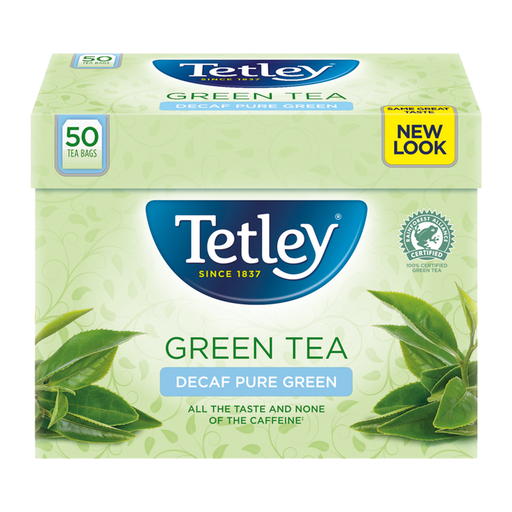 No image available
For an evening cup when you want to keep drinking green tea but reduce caffeine. Tesco lists 100% decaffeinated green tea as the ingredient and states decaffeination to 0.2%; that does not mean caffeine-free.
 No image available
Consider this herbal-infusion route if avoiding caffeine matters more than drinking green tea. It is not green tea; check the pack’s ingredients and caffeine information for your intended use.
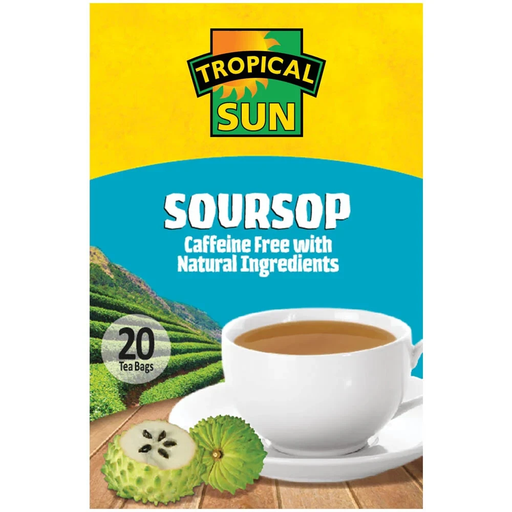 No image available
A soursop infusion to consider instead of green tea for a warm drink. Check the exact pack’s ingredients and caffeine information if caffeine avoidance is your deciding factor.
 No image available
A peppermint infusion for shoppers willing to choose a drink other than green tea. The title specifies an 80-bag pack; check its ingredients and brewing directions on the pack.
Not necessarily. Twinings says minor traces can remain after decaffeination. If you want a naturally caffeine-free drink instead, consider a herbal or fruit infusion and check its ingredients for caffeinated additions.
Follow the directions on the exact pack. Tesco gives three minutes in 200ml freshly boiled water for Twinings Green Tea Decaffeinated; its Clipper listing advises cooling boiled water for one minute, then infusing for one to three minutes.
Confirm the exact tea type, ingredients, pack quantity and current stock information. UK government guidance lists the food name, ingredients, net quantity and date marking among the information required for pre-packed food; check the product and retailer details relevant to your order.