For a buffet serving mixed preferences, offer decaffeinated black tea alongside a naturally caffeine-free infusion: the former keeps a familiar breakfast-tea choice, while the latter suits guests who want to avoid caffeine. Check each blend’s ingredients rather than relying on the word ‘herbal’, and keep current ingredient and allergen information accessible at the tea station.
Who is the tea selection for?
Hotel breakfast managers serving mixed preferences
A compact self-service range can give guests a choice between decaffeinated black tea and naturally caffeine-free infusions. Managers also need a way to provide ingredient and allergen information for the tea actually served.
Guests who want to avoid caffeine
A naturally caffeine-free infusion is a different choice from decaffeinated tea, which Twinings says can retain traces of caffeine. The ingredients still matter: Twinings identifies mate and guarana as caffeinated exceptions in some herbal-style blends.
Guests who prefer conventional breakfast tea
Decaffeinated black tea offers a familiar tea option instead of a floral infusion. Twinings describes its All Day Decaf as individually wrapped and intended for smaller catering settings, including B&Bs.
What should you check before choosing?
Choose the caffeine-status options first, then check whether the packs and product information will work at a self-service station.
| Priority | What to check | Your needs |
|---|
| Caffeine status |
Distinguish decaffeinated black tea from a naturally caffeine-free infusion. Check herbal-blend ingredients for mate or guarana; Twinings identifies these as caffeinated exceptions. |
I want guests avoiding caffeine to find a clearly identified infusion, rather than assume decaf black tea contains none. |
| Breakfast-tea choice |
Check that the conventional option is labelled as decaffeinated black tea. Twinings says decaffeinated tea can retain minor traces of caffeine. |
Some guests still want the taste of black tea at breakfast, not a floral alternative. |
| Ingredient clarity |
Compare the full ingredient lists, particularly for multi-ingredient blends. Clipper lists chamomile as the ingredient in its Organic Chamomile Infusion; teapigs lists honeybush and rooibos in its corresponding tea. |
A simple ingredient list would make it easier for guests to identify what is in a cup. |
| Buffet format |
Check bag count, whether bags are individually wrapped, the pack’s brewing directions and how staff will replenish the station. Twinings describes individually wrapped All Day Decaf bags for smaller catering environments. |
I need a tea station that guests can use and staff can restock without confusing the different options. |
| Allergen information |
Keep information for the current supplied product accessible and update it if the recipe or supplier changes. GOV.UK guidance for UK retail and catering food businesses covers allergen information for prepacked and non-prepacked food and drink. |
Guests must be able to ask about the ingredients and relevant allergens in the tea being served. |
What can go wrong at a self-service station?
-
Treating ‘decaf’ and ‘caffeine-free’ as interchangeable
According to Twinings, decaffeinated tea can retain traces of caffeine, while some herbal-style blends contain naturally caffeinated mate or guarana. Neither category name settles the question on its own.
Label decaffeinated black tea separately from naturally caffeine-free infusions, and check each infusion’s ingredients before describing it as caffeine-free.
-
Leaving old ingredient information beside a new pack
A changed blend or supplier can make the station’s information inaccurate. GOV.UK guidance says UK retail and catering food businesses must provide allergen information for food and drink and manage allergens effectively.
Use the current supplied pack and product information when preparing buffet labels, and make sure staff can respond to allergen enquiries.
-
Choosing every infusion by its wellness-themed name
A blend name may not tell guests which botanicals it contains or whether it offers a straightforward alternative to black tea. It should not be presented as a treatment.
Include a clearly described infusion, such as chamomile, and use ingredient and caffeine-status descriptions rather than health promises.
Which brands offer relevant examples?
These brand examples illustrate different tea choices; check the exact pack used by the hotel before preparing station information.
Twinings
An example of the decaffeinated black-tea route: Twinings describes All Day Decaf as a 15-bag, individually wrapped product for smaller catering environments.
- The wrapped-bag format can be considered for a self-service station.
- Twinings says decaffeinated tea can retain minor traces of caffeine; it is not a caffeine-free infusion.
Pukka
Pukka describes Three Chamomile as a naturally caffeine-free, chamomile-based herbal tea.
- It provides a floral choice distinct from decaffeinated black tea.
- Use the ingredients and allergen information for the particular pack served, rather than assuming all Pukka blends are alike.
Clipper
Clipper lists organically grown chamomile as the ingredient in its Organic Chamomile Infusion and gives a 2–5 minute infusion time.
- The stated ingredient makes this an easy product to describe accurately at the station.
- Its floral flavour serves a different preference from conventional black tea.
Teapigs
Teapigs describes its Honeybush & Rooibos tea as naturally caffeine-free, with honeybush and rooibos ingredients and a brew time of at least 3 minutes.
- It offers an ingredient and flavour choice distinct from chamomile.
- Teapigs says this product is made in a factory that handles nuts; consult the current supplied product information for allergen enquiries.
Tesco
Tesco’s UK decaf tea listings illustrate that decaf black tea and fruit or herbal products appear in the same retail category.
- The category provides examples of product types to distinguish on buffet labels.
- A retail listing does not establish the pack format or supplier documentation needed for a hotel station.
Joybuy tea options for the buffet
These options include one decaffeinated black tea and three chamomile-based infusions. Compare the current packs and their ingredient information before deciding what to put on the buffet.
 Image unavailable
Pukka Chamomile Vanilla & Manuka Honey, 20 sachets, 32g
A chamomile-based choice for guests considering a floral infusion. Its name identifies several ingredients, so check the full current pack information before describing the blend or answering ingredient and allergen questions.
Joybuy
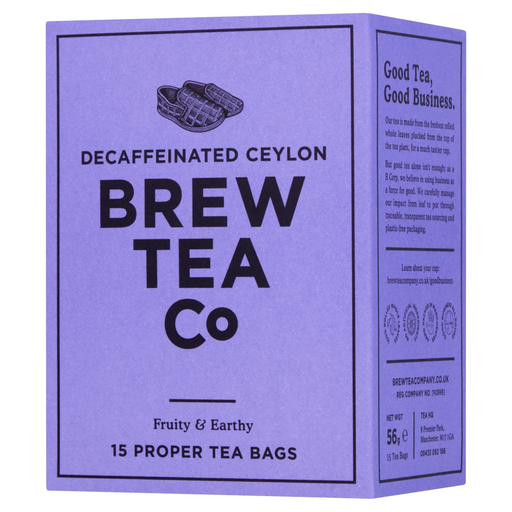 Image unavailable
Brew Tea Co CO2 Decaffeinated Tea, 15 bags, 56g
Consider this for the conventional tea route, not as a substitute for a naturally caffeine-free infusion: decaffeinated tea can retain traces of caffeine. Check the supplied pack’s ingredients, wrapping and brewing directions for buffet use.
Joybuy
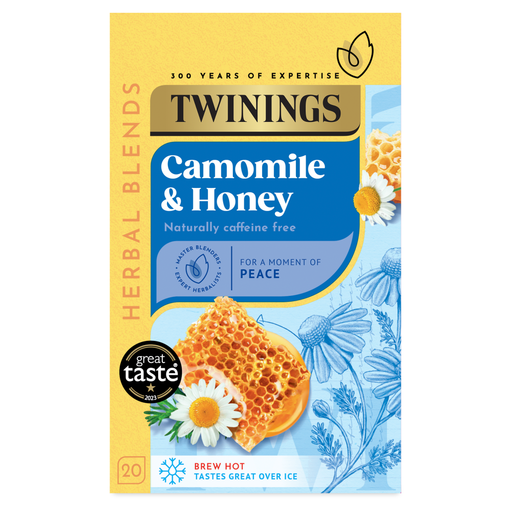 Image unavailable
Twinings Camomile Honey & Vanilla, 20 tea bags
Another camomile-based option for a floral part of the station. Check the supplied pack’s complete ingredients, caffeine-status wording and allergen information before preparing a buffet label.
Joybuy
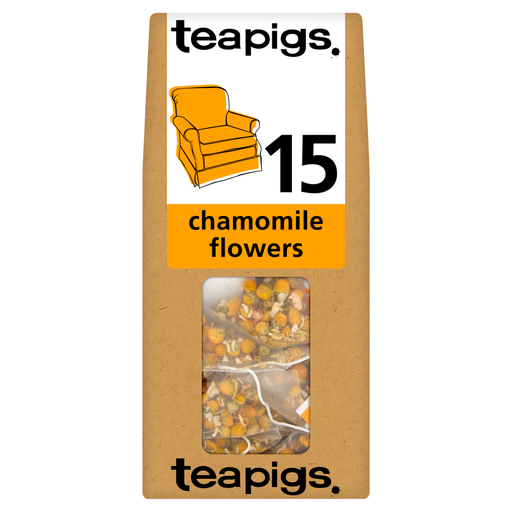 Image unavailable
Teapigs Chamomile Flowers, 15 tea bags, 180g
A chamomile option for guests who prefer a floral infusion to black tea. Confirm the supplied pack’s ingredients, caffeine-status wording, brewing directions and allergen information before service.
Joybuy
Frequently asked questions
Is herbal tea the same as decaffeinated tea?
No. Many herbal and fruit infusions are naturally caffeine-free, whereas decaffeinated tea has undergone a caffeine-removal process and can retain traces, according to Twinings. Check the ingredients of herbal-style blends too: Twinings identifies mate and guarana as caffeinated exceptions.
What tea choices work for mixed breakfast preferences?
A decaffeinated black tea and a naturally caffeine-free infusion cover different preferences: one retains a conventional tea choice, while the other offers a way to avoid caffeine. A clearly described chamomile infusion and a honeybush-and-rooibos option can add distinct ingredient and flavour choices if the hotel has room to label and replenish them accurately.
Does a UK hotel need allergen information for tea served at breakfast?
Yes. GOV.UK guidance says UK retail and catering food businesses must provide allergen information for prepacked and non-prepacked food and drink and manage food allergens effectively. Use information for the exact products served, including when a supplier or blend changes.
Can buffet labels promise that a herbal tea suits everyone?
No. Describe the tea’s ingredients and confirmed caffeine status rather than making universal suitability or treatment claims. Guests with personal ingredient restrictions need the current product information so they can assess the particular blend.


