Choose decaffeinated black tea if guests want a familiar cream-tea cup with milk and reduced caffeine is enough; Twinings notes that decaf tea can retain traces of caffeine. When a caffeine-free option matters more, choose an infusion explicitly labelled caffeine-free and check its ingredients. Teapigs says its honeybush and rooibos blend can be served with milk, while a floral or mint infusion is a distinctly different choice.
Who is each option for?
The useful distinction is whether a guest wants less caffeine, no caffeine, or a choice between the two styles of drink.
Hosts keeping the traditional tea style
If black tea with milk is part of your cream tea and reduced caffeine is acceptable, decaffeinated English Breakfast preserves that serving style. Twinings identifies its English Breakfast Decaffeinated as black tea and suggests serving it with milk.
Guests choosing a caffeine-free drink
Look for an infusion explicitly labelled caffeine-free and check the individual blend. Rooibos, chamomile and peppermint options give you different flavours without relying on a decaf black tea that may retain caffeine traces.
Hosts serving mixed preferences
Set out decaf black tea and a separately identified caffeine-free infusion. Guests can then choose between a familiar milk-tea style and a different botanical drink without having to guess what ‘decaf’ means.
What should you check before choosing?
Decide which caffeine requirement each pot must meet, then choose the flavour and serving style. The three routes answer different needs rather than offering interchangeable versions of breakfast tea.
Decaffeinated black tea
Choose it when: a conventional black tea served with milk matters more than avoiding every trace of caffeine.
Bear in mind: Twinings says minor caffeine traces can remain in decaf tea.
Caffeine-free rooibos or honeybush
Choose it when: a labelled caffeine-free infusion is needed and guests may still want milk; Teapigs says its honeybush and rooibos blend works with or without it.
Bear in mind: honeybush and rooibos are different ingredients from black tea, so this changes the cup served with the scones.
Floral or mint infusion
Choose it when: guests would welcome a separate herbal flavour rather than a black-tea-style drink.
Bear in mind: a chamomile or peppermint infusion should not be presented as a substitute for traditional tea with milk.
| Priority |
What to check |
Your needs |
| Caffeine status |
Read the product-specific caffeine statement and ingredient list. Twinings says decaf tea can retain traces, while mate and guarana are exceptions among otherwise commonly caffeine-free herbal and fruit infusions. |
If a guest needs a caffeine-free drink, I want the chosen pack to say so explicitly, rather than relying on ‘decaf’ or ‘herbal’ alone. |
| Milk and tea style |
Check the tea base and the maker’s serving guidance. Twinings suggests milk with its English Breakfast Decaffeinated; Teapigs says its Honeybush & Rooibos can be served with or without milk. |
I would like to offer milk without assuming that every herbal infusion is meant to be served like black tea. |
| Flavour choice |
Identify the main botanicals and decide whether the cup should resemble the usual cream-tea service or be a separate flavour choice. |
For guests who would rather have chamomile or mint, I can offer an infusion on its own terms instead of promising it will taste like breakfast tea. |
| Clear serving information |
Keep the packs or ingredient lists to hand and identify each pot by its actual caffeine declaration. Check individual blends for ingredients guests need to know about. |
With more than one pot on the table, I want guests to be able to tell which is decaf black tea and which is the labelled caffeine-free infusion. |
Common serving mistakes
-
Calling decaf tea caffeine-free
Twinings says decaffeinated tea can retain minor caffeine traces. That distinction matters when a guest is avoiding caffeine rather than simply reducing it.
Identify decaf black tea separately and use the individual product’s caffeine declaration when describing each pot.
-
Assuming every herbal blend has no caffeine
Twinings identifies mate and guarana as caffeine-containing exceptions in herbal and fruit infusions.
Check the full ingredient list and caffeine statement on the chosen blend before presenting it as caffeine-free.
-
Expecting a floral infusion to taste like milk tea
Chamomile and decaffeinated black tea are different drinks. A guest seeking the familiar black-tea style may not regard a floral infusion as an equivalent choice.
For mixed preferences, offer the herbal infusion as a distinct option alongside decaf black tea.
Brand and retailer references
These examples illustrate the tea styles above; check the particular product rather than assuming every blend from a brand has the same ingredients or caffeine status.
Twinings
Its decaffeinated black teas provide a familiar tea-with-milk route. Twinings identifies English Breakfast Decaffeinated as black tea and suggests a splash of milk.
- The decaf collection includes English Breakfast, Everyday and Earl Grey options.
- Twinings says decaf tea may retain minor caffeine traces.
Teapigs
Teapigs labels its Honeybush & Rooibos blend naturally caffeine-free and says it can be served with or without milk.
- The stated ingredients are honeybush and rooibos, giving guests a defined alternative to black tea.
- It is a different tea base and flavour choice from English Breakfast.
Pukka
Pukka labels Three Chamomile a naturally caffeine-free, chamomile-based herbal tea.
- It offers a clearly herbal option for guests who want a separate infusion.
- Chamomile does not reproduce a black-tea-and-milk cup.
Clipper
Clipper describes its herbal-infusion range as caffeine-free and its rooibos infusion as naturally caffeine-free.
- Clipper says rooibos can be enjoyed with milk like black tea.
- Check the ingredients and caffeine statement of the particular blend you plan to serve.
Tesco
As a retailer rather than a tea style, Tesco lists both decaf black tea and herbal options in its caffeine-free-tea search results.
- The listings can help distinguish product types and pack formats before choosing.
- A search category does not replace checking each product’s caffeine wording and ingredients.
Joybuy tea options
These options include one decaffeinated tea for a traditional-style cream tea and several distinctly flavoured herbal infusions. Check each current pack if a guest requires a caffeine-free drink, and check serving guidance if milk matters.
 No image available
Twinings Lemon & Ginger Tea Bags, 20 pack
A lemon-and-ginger option to serve as a separate infusion beside traditional tea. If a guest needs a caffeine-free drink, check the current pack’s caffeine statement and ingredients; check its serving guidance if milk is important.
View on Joybuy
 No image available
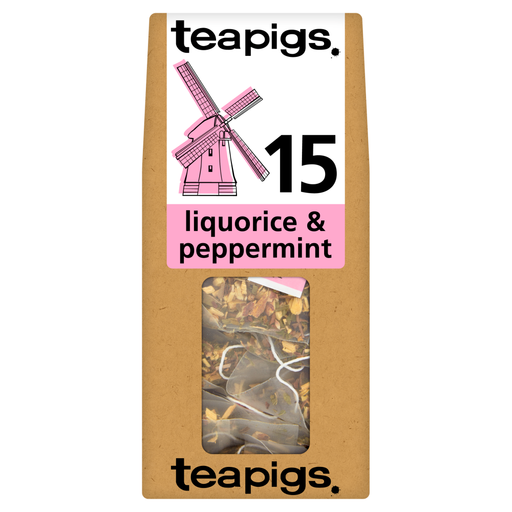
Teapigs Liquorice & Mint Tea Bags, 15 pack
A liquorice-and-mint choice for guests who want a flavour distinct from breakfast tea. Check the current pack’s caffeine and allergen information for guests who need it, and its serving guidance before planning to add milk.
View on Joybuy
 No image available
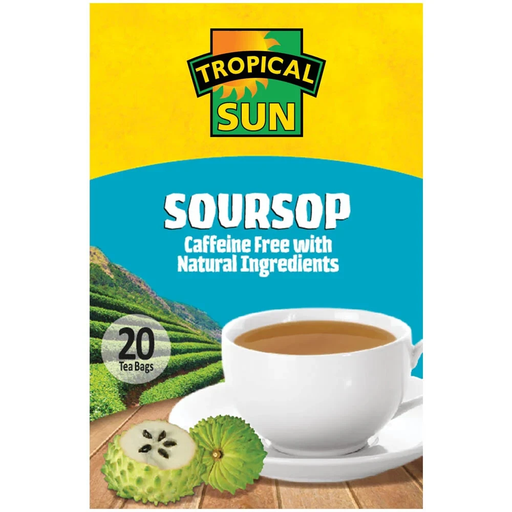
Tropical Sun Soursop Tea, 20 tea bags
A soursop option for a separate herbal pot rather than a black-tea substitute. Check the current pack’s caffeine statement and ingredients when serving a guest who needs a caffeine-free option; check the serving guidance if milk is planned.
View on Joybuy
 No image available
Tetley Decaffeinated Tea Bags, 80 bags, 250g
A decaffeinated tea option for guests seeking a more traditional cream-tea service with reduced caffeine. Do not assume decaffeinated means caffeine-free: check the current pack’s caffeine wording if avoiding caffeine altogether matters.
View on Joybuy
 No image available
Twinings Pure Peppermint Tea, 80 pack
A peppermint choice for guests who prefer a distinctly herbal cup alongside scones. Check the current pack’s caffeine declaration for anyone requiring a caffeine-free option, and its serving guidance if guests expect milk.
View on Joybuy
Cream tea questions
Does decaf tea mean caffeine-free?
No. Twinings says minor caffeine traces can remain after tea is decaffeinated. If a guest needs a caffeine-free drink, choose a product explicitly labelled caffeine-free and check its ingredients.
What can I serve with milk if a guest wants to avoid caffeine?
A labelled caffeine-free rooibos or honeybush infusion is worth considering. Teapigs says its Honeybush & Rooibos blend is naturally caffeine-free and can be served with or without milk; check the declaration on the pack you choose.
Are all herbal and fruit teas caffeine-free?
No. Twinings says most herbal and fruit infusions naturally contain no caffeine, but identifies blends containing mate or guarana as exceptions. Read the ingredients and caffeine statement for the exact blend.
Should I brew every tea for the same length of time?
Follow each product’s own brewing instructions rather than using one time for both black tea and herbal infusions. Keep the packs nearby when preparing more than one pot so each drink can be made and identified separately.


