Evening coffee drinkers
Decaf keeps coffee in an after-dinner routine while reducing caffeine compared with a regular version. It is not a zero-caffeine choice: NESCAFÉ’s UK decaf guidance says a small amount remains.


Choose a plain decaf instant coffee if you want a quick hot drink that you can customise with milk, a plant drink or winter flavourings. Compare the stated flavour style, jar size and preparation directions before choosing. Decaf has most of its caffeine removed, but it is not necessarily caffeine-free.
Decaf keeps coffee in an after-dinner routine while reducing caffeine compared with a regular version. It is not a zero-caffeine choice: NESCAFÉ’s UK decaf guidance says a small amount remains.
A plain soluble coffee gives you control over the milk, plant drink, sugar or spices added to a winter mug. Check the current ingredients if a dietary restriction affects those choices.
Jar size matters when several people use the same coffee. Choose a size that fits how often the household makes it, rather than assuming a larger jar suits every routine.
Start with the caffeine distinction, then choose a coffee style and format that fit the way you make winter drinks.
| Priority | What to check | Your needs |
|---|---|---|
| Remaining caffeine | Look for a clearly labelled decaf product. Do not read “decaf” as “caffeine-free”; NESCAFÉ’s UK guidance says some caffeine remains. | I want to keep an evening coffee routine while reducing caffeine, rather than assuming my drink contains none. |
| Flavour style | Compare descriptions for the specific product: NESCAFÉ describes Original Decaf as bold, while Kenco positions its Decaf as balanced and gives it an intensity rating of 7. These descriptions are not independent taste-test results. | For a mug I drink black or with milk, I want a flavour description that matches my usual preference. |
| Coffee format | Check whether the product is plain soluble coffee or a blend with ground coffee. Kenco says Millicano Decaff combines decaffeinated instant coffee with finely milled whole beans. | I may prefer a plain base for adding spices, or want to try a blend containing ground coffee. |
| Preparation | Read the directions on the particular jar. NESCAFÉ specifies one teaspoon of Gold Blend Decaf with 200ml of hot water; Tesco Classic Decaffeinated Coffee calls for hot, not boiling water. | My winter drink needs to be straightforward to make, with room to add milk or a plant drink afterwards. |
| Jar and ingredients | Choose a pack size that suits how often you make coffee, and read the current label for ingredients and directions, especially when dietary restrictions matter. | A larger jar may suit regular household use; for ingredients, I need to check the pack I actually buy. |
Decaffeination removes most caffeine, not necessarily all of it. That distinction matters if you need to keep track of caffeine from more than one drink or food.
Check the current product information and do not treat the word “decaf” as a zero-caffeine guarantee.
A plain coffee jar and a coffee sachet with added ingredients are different products. The distinction matters when choosing additions or checking dietary requirements.
Read the label on the product you receive before using it, particularly if you need to check allergens or whether it suits a vegan diet.
These brand and product-line descriptions can help narrow a flavour or format preference; they do not describe every product a brand makes.
Original Decaf and Gold Blend Decaf offer different stated coffee styles within the brand’s instant-decaf range.
Kenco Decaf is a standard instant-coffee option; Millicano Decaff combines instant coffee with finely milled whole beans.
Sainsbury’s describes Douwe Egberts Decaff Instant Coffee 95g as freeze-dried coffee with medium strength 3.
Sainsbury’s describes Carte Noire Decaffeinated Instant Coffee 100g as a freeze-dried option.
Tesco Classic Decaffeinated Coffee is a 200g instant-coffee jar made with Robusta and Arabica beans, according to Tesco Groceries.
Sainsbury’s Gold Roast Decaffeinated Instant Coffee Granules is a 200g freeze-dried option.
These jars offer different decaf instant-coffee formats and sizes for making drinks at home. Match the exact product to your preferred preparation and check its current label before use.
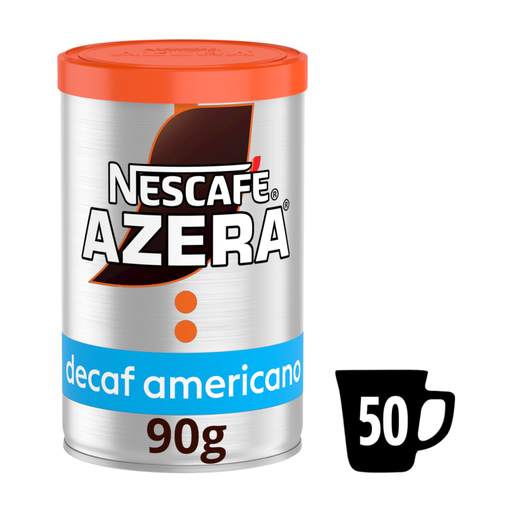 No image available
A 90g decaf instant-coffee option for an Americano-style hot drink. Check the pack directions for the amount to use.
 No image available
A 300g jar of plain decaf soluble coffee for households making regular mugs. NESCAFÉ says most caffeine in Original Decaf is removed using water, not that the coffee contains none.
 No image available
A 100g decaf instant-coffee jar for a straightforward hot drink that you can customise after preparation. Check this pack’s directions and ingredients rather than assuming they match another Kenco size.
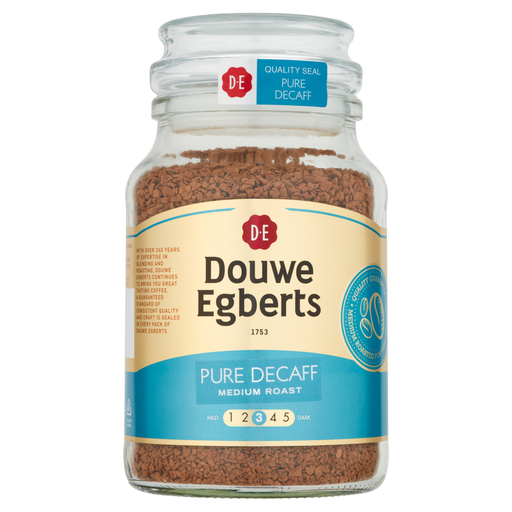 No image available
A 190g jar of decaf instant coffee. If you are choosing it specifically for hot winter drinks, check the jar’s hot-water directions before buying; do not assume directions for another Douwe Egberts product apply.
No. NESCAFÉ’s UK decaf guidance says most caffeine is removed but a small amount remains. If avoiding caffeine matters for a medical reason, seek individual clinical advice rather than assuming a decaf label means zero caffeine.
Follow the directions for the jar you buy. NESCAFÉ specifies one teaspoon of Gold Blend Decaf with 200ml of hot water, while Tesco Classic Decaffeinated Coffee calls for hot, not boiling water. Those instructions should not be applied automatically to other products.
Some specified plain coffees list coffee alone: NESCAFÉ describes Original Decaf as 100% coffee, and Sainsbury’s lists decaffeinated soluble coffee for its Gold Roast decaf. That does not establish the ingredients of every decaf product or a milk-based sachet; read the current label if allergens matter.