Choose decaffeinated loose black tea if the drinker wants measured leaves and they or a carer can manage hot water and an infuser safely. A decaf pyramid involves fewer preparation steps, while a caffeine-free infusion is a different drink for someone who needs to avoid caffeine rather than reduce it. Decaf can retain traces of caffeine, according to Twinings; for people following iron-deficiency dietary advice, University Hospitals Coventry and Warwickshire NHS Trust advises keeping tea or coffee at least one hour away from meals.
Who is each format for?
The choice depends on whether familiar black tea, avoiding caffeine or simpler preparation matters most to the drinker.
Traditional-tea drinkers reducing caffeine
Decaffeinated black tea preserves the familiar type of drink, including the option of adding milk, without being caffeine-free. University Hospitals of Leicester NHS Trust notes that caffeine can worsen urgency and frequency for some people with overactive bladder symptoms; individual advice still matters.
People who need help preparing tea
Loose leaves need measuring and straining. A pre-portioned decaf pyramid or teabag removes those steps, although the person or carer must still be able to handle hot water safely.
Households following iron-deficiency dietary advice
Tea choice does not replace the person’s dietary plan. University Hospitals Coventry and Warwickshire NHS Trust advises people following its guidance for iron deficiency anaemia to avoid tea or coffee within one hour before or after meals.
What should you check before choosing?
Decaf loose black tea
Choose when: The drinker wants to measure leaves for a pot or infuser and prefers traditional black tea.
Bear in mind: Preparation involves measuring, straining and cleaning, and decaf can retain caffeine.
Decaf loose-leaf pyramid
Choose when: A black-tea drink is wanted without measuring loose leaves; Twinings All Day Decaf is one such pyramid format.
Bear in mind: A pyramid is not loose leaves poured from a pouch, and decaf is not caffeine-free.
Caffeine-free infusion
Choose when: Avoiding caffeine matters more than having a traditional black-tea drink.
Bear in mind: Check the exact blend: Twinings notes that infusions containing mate or guarana can contain caffeine.
| Priority | What to check | Your needs |
|---|
| Caffeine |
Confirm whether the exact product is decaffeinated black tea or a caffeine-free infusion. Check infusion ingredients for mate or guarana. |
I want to reduce caffeine while keeping a familiar tea, or avoid it and accept a different type of drink. Twinings says traces can remain in decaf tea. |
| Preparation |
Check whether the pack contains loose leaves, pyramids or teabags, and whether an infuser or strainer is needed. Consider who will handle the hot water. |
Measuring and straining leaves may be manageable with help; otherwise, I would look for a pre-portioned format. |
| Pack size |
Compare the stated serving amount with the pack size and available dry storage. Whittard states 2g per cup for its 100g decaf loose tea; Bettys lists Taylors Decaffeinated Leaf Tea in a 1kg bag. |
For an occasional drinker, I would check that the pack can be stored and used conveniently. A larger household may have different needs. |
| Meals and drinks |
Check any individual fluid or dietary plan. For people following iron-deficiency dietary advice, University Hospitals Coventry and Warwickshire NHS Trust advises leaving at least one hour between tea or coffee and meals. |
I want tea to fit around meals and other drinks. The NHS says tea can count towards fluid intake, but it does not replace food or an individual care plan. |
Common buying mistakes
-
Assuming decaf means caffeine-free
Twinings says small traces of caffeine can remain in decaffeinated tea, a distinction that matters when the requirement is to avoid caffeine.
Check whether reduced caffeine is sufficient. If considering an infusion instead, inspect its ingredients for caffeinated botanicals such as mate or guarana.
-
Choosing loose leaves without considering preparation
Measuring leaves, straining tea and handling hot water add steps that the drinker or carer must be able to manage.
Compare a true loose-tea pack with a decaf pyramid or teabag before choosing a format for everyday use.
Loose tea may also call for an infuser or strainer and an airtight storage container.
-
Serving tea with an iron-focused meal
University Hospitals Coventry and Warwickshire NHS Trust says tea or coffee with a meal can greatly decrease iron absorption for someone following its iron-deficiency anaemia guidance.
Follow the person’s clinical dietary advice; the Trust advises avoiding tea or coffee within one hour before or after meals.
-
Assuming a brand’s loose tea is also decaf
A brand may sell loose tea and decaf teabags as separate products. The format and caffeine status of one do not establish those of the other.
Check both details on the exact pack, particularly when considering Yorkshire Tea, Ringtons or Fortnum & Mason products.
Brand and product-format references
These examples distinguish loose decaf black tea from pyramids, teabags and infusions; a brand name alone does not identify the format.
Whittard of Chelsea
Decaffeinated English Breakfast is a 100g pack of loose black tea.
- Whittard states 2g per cup and 50 cups per pack.
- Loose leaves need measuring and an infuser or strainer.
Bettys
Bettys sells Taylors Decaffeinated Leaf Tea as a 1kg bag of loose black tea.
- Bettys describes a carbon-dioxide decaffeination process for this product.
- Consider whether a 1kg pack suits the household’s use and storage space.
Twinings
All Day Decaf is available as a pre-portioned loose-leaf pyramid rather than a pouch of loose leaves.
- Twinings specifies 3–5 minutes of brewing for this pyramid.
- Twinings says its decaf tea can retain traces of caffeine.
Yorkshire Tea
The Yorkshire Decaf product listed by Bettys contains 80 teabags.
- A teabag avoids measuring and straining loose leaves.
- Yorkshire Tea describes its decaf and loose-tea ranges separately; check the exact pack rather than assuming its loose tea is decaffeinated.
Ringtons
The Ringtons decaf products described in its collection are teabags or bundles.
- Its Decaf Tea Bags page identifies black tea as the ingredient.
- That teabag listing does not establish a decaffeinated loose-leaf equivalent.
Fortnum & Mason
Fortnum & Mason’s dedicated support information identifies Earl Grey and Royal Blend teabags as its decaffeinated teas and distinguishes them from caffeine-free infusions.
- The support information makes the distinction between decaf tea and caffeine-free infusions.
- Check the exact product’s format and ingredients; category wording does not establish a loose-leaf decaf black tea.
Joybuy infusion options
These Joybuy options are herbal alternatives for someone considering a different drink from decaffeinated loose black tea. Check the exact pack format if preparation steps matter.
 No image available
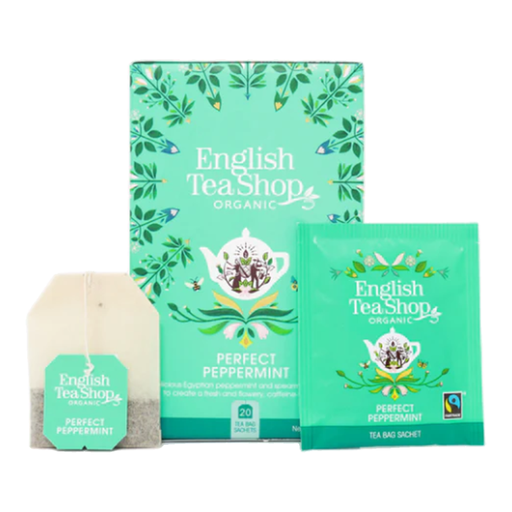
English Tea Shop Organic Perfect Peppermint, 20g
Consider this peppermint option if an infusion, rather than traditional decaf black tea, suits the drinker. Check the pack’s ingredients and preparation instructions against their preferences.
View on Joybuy
 No image available
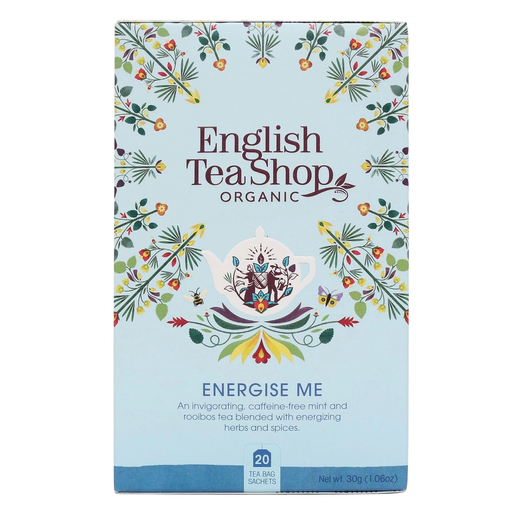
English Tea Shop Organic Wellness Energize Me, 30g
This is an option for someone considering a herbal drink instead of decaf black tea. Check the ingredients and whether its pack format suits the person who will prepare it.
View on Joybuy
Questions about decaf tea
Does decaf tea contain no caffeine?
No. Twinings says small traces can remain in decaffeinated tea. If caffeine must be avoided rather than reduced, check the ingredients of a caffeine-free infusion: Twinings identifies mate and guarana as exceptions among botanical ingredients.
Can tea count towards an older person’s fluid intake?
Yes. The NHS says tea and coffee count towards fluid intake. Follow any individual fluid plan rather than using general guidance in place of it, and do not treat tea as a substitute for food.
When should someone following iron-deficiency dietary advice drink tea?
University Hospitals Coventry and Warwickshire NHS Trust advises avoiding tea or coffee within one hour before or after meals for people following its iron-deficiency anaemia dietary guidance. Follow the person’s clinician or dietitian advice if their plan differs.
Is loose tea or a pyramid easier to prepare?
A pyramid removes the need to measure and strain loose leaves, but both formats still involve hot water. Whittard specifies 2g per cup for its Decaffeinated English Breakfast loose tea; Twinings All Day Decaf comes in a pre-portioned pyramid. Choose according to what the drinker or carer can manage safely.


