Students who want a black-tea-style lunch drink
An actual decaffeinated loose black tea suits a lunch break if you prefer that format and can bring an infuser. Whittard of Chelsea lists its Decaffeinated English Breakfast as a 100g loose-tea pouch.


If you want decaffeinated black tea made from loose leaves at lunch, Whittard of Chelsea’s 100g Decaffeinated English Breakfast pouch is a smaller-pack option; Bettys’ 1kg Taylors Decaffeinated Leaf Tea makes more sense if you drink it frequently or share a kitchen. Both require a way to brew and clear away loose leaves, so a decaf tea bag may be more practical between lectures if the format matters less. Decaf can retain traces of caffeine; if you need a drink labelled caffeine-free, consider an infusion instead and check its ingredients.
An actual decaffeinated loose black tea suits a lunch break if you prefer that format and can bring an infuser. Whittard of Chelsea lists its Decaffeinated English Breakfast as a 100g loose-tea pouch.
A kitchen with a teapot or strainer and somewhere to empty used leaves makes loose tea easier to prepare between lectures. Sharing or frequent use also gives you a reason to consider Bettys’ 1kg Taylors pack rather than buying a large bag for occasional cups.
Decaffeinated black tea and a herbal or fruit infusion answer different preferences. Twinings notes that minor traces of caffeine can remain in decaf tea and that some infusion blends contain mate or guarana, so check the ingredients of the drink you choose.
Decide whether loose leaves, a black-tea flavour or a quick clean-up matters most for your lunch break. Then check the product format and pack size before choosing how to brew it.
| Priority | What to check | Your needs |
|---|---|---|
| Black-tea style | Look for decaffeinated black tea if you want a conventional tea cup. Check whether the listing describes leaves, pyramid bags or standard tea bags; decaf does not necessarily mean caffeine-free. | I would rather have a decaffeinated black tea at lunch than switch to a mint or fruit infusion. |
| Loose-leaf format | Confirm that the product is a pouch or caddy of loose leaves, not a product described as loose pyramid bags. Make sure you can use an infuser or strainer and dispose of the wet leaves. | Brewing loose leaves matters to me, and I have somewhere to clean up afterwards. |
| Pack size | Compare the amount you are likely to use. Whittard of Chelsea lists 100g and estimates 50 cups at 2g per cup; Bettys lists Taylors Decaffeinated Leaf Tea in a 1kg bag. | A smaller pouch fits occasional cups, while a larger bag is worth considering if our kitchen shares the tea or I make it regularly. |
| Lunch-break preparation | Check the brewing equipment and instructions for the product. Bettys directs a 4–5 minute infusion followed by pouring through a strainer; a portioned bag avoids handling loose, wet leaves. | Between lectures, I may prefer a bag if carrying an infuser and clearing away leaves would be awkward. |
| Caffeine wording | Read the particular product’s caffeine statement and ingredients. Twinings says minor traces can remain in decaf tea and identifies mate and guarana as exceptions among herbal and fruit infusions. | If a caffeine-free label matters more to me than black-tea flavour, I will check an infusion’s ingredients rather than assume that “decaf” means the same thing. |
Decaffeination can leave traces of caffeine. Twinings describes minor traces in its decaf range, while Ringtons says its decaf tea retains less than 0.2% caffeine.
If you want a drink labelled caffeine-free instead, check a herbal or fruit infusion’s ingredients. Twinings notes that blends containing mate or guarana are exceptions to its general description of these infusions.
A pyramid bag can make preparation simpler, but its leaves remain in a portioned bag. It will not give you the same brewing format as a pouch of loose tea.
Check the stated format before ordering. Choose a decaf bag deliberately if carrying equipment or disposing of leaves would be inconvenient at university.
Bettys’ Taylors Decaffeinated Leaf Tea comes in a 1kg bag. That is a substantially larger amount to keep and use than Whittard of Chelsea’s 100g pouch, particularly for one occasional drinker.
Consider how often you will make tea and whether anyone shares it. Check the pack’s storage instructions and where an opened bag can be kept.
The format matters as much as the brand: these ranges include loose decaf tea, portioned decaf tea and other loose teas, which should not be treated as interchangeable.
Its Decaffeinated English Breakfast is listed as a 100g pouch of decaffeinated loose black tea.
Bettys lists Taylors Decaffeinated Leaf Tea as a 1kg decaffeinated black-tea blend.
All Day Decaf comes in loose pyramid tea bags, a portioned alternative for carrying between lectures.
Yorkshire Tea describes Decaf and its Yorkshire Tea and Yorkshire Gold loose teas as separate parts of its range.
Fortnum & Mason says its decaffeinated teas are Earl Grey and Royal Blend tea bags; it separately describes its infusions as caffeine-free.
Ringtons lists decaf black tea in a 50-bag format and lists other teas in its loose-leaf range.
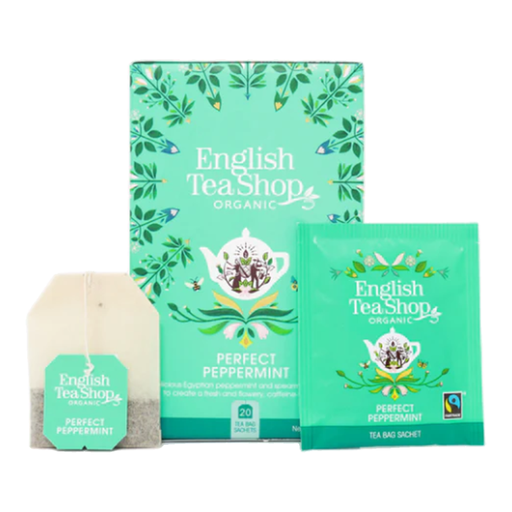
This peppermint and spearmint tea-bag infusion is an alternative for a lunch break when an infusion appeals more than decaffeinated loose black tea. It does not provide the loose-leaf or black-tea format discussed above.
 No image available
For a lunch break without a loose-leaf infuser, this is a portioned mint infusion rather than decaffeinated black tea. The listing describes 70% peppermint and 30% spearmint in compostable tea bags and gives a caffeine figure of 0 mg; check the final pack label if that figure is important to your choice.
No: decaf tea can retain traces of caffeine. Twinings says minor traces remain in decaffeinated tea and describes its decaf range as decaffeinated to 0.2%; Ringtons says its decaf tea retains less than 0.2%. For a drink labelled caffeine-free, check an infusion’s ingredients, including whether it contains mate or guarana.
Bring an infuser or use a teapot and strainer, and make sure you have a way to dispose of the wet leaves. Bettys’ instructions for Taylors Decaffeinated Leaf Tea, for example, say to pour the brewed tea through a strainer.
Follow the instructions for the tea you buy. Whittard of Chelsea uses 1 teaspoon, or 2g, per cup for its Decaffeinated English Breakfast and estimates 50 cups from 100g. Bettys gives a different teapot method for Taylors Decaffeinated Leaf Tea: one teaspoon per person plus one for the pot, infused for 4–5 minutes.
Yes, if an easier clean-up matters more to you than brewing loose leaves. Twinings’ All Day Decaf pyramid bags and Ringtons’ decaf tea bags are portioned formats, so neither is actual loose-leaf tea.
Yes, particularly if you are choosing it for its caffeine wording or need to avoid a particular ingredient. Twinings notes that most herbal and fruit infusions naturally contain no caffeine, but identifies blends with mate or guarana as exceptions; check the ingredients of the specific pack rather than relying on the category name.