If avoiding caffeine at bedtime matters more than drinking traditional matcha, consider a naturally caffeine-free matcha-style powder such as Clearspring Kuwa Matcha: it is made from mulberry leaves, not tea leaves. Conventional matcha contains caffeine; decaffeinated tea is another hot-drink option, but it may retain some caffeine, according to the British Heart Foundation.
Who is each option for?
Matcha-latte drinkers avoiding caffeine
If the green powdered-drink ritual matters more than tea-leaf matcha, a naturally caffeine-free alternative may fit. Clearspring describes its Kuwa Matcha as mulberry-leaf powder, so it is a different drink from traditional matcha.
Matcha drinkers watching their evening caffeine
Traditional matcha is still an option when caffeine fits your routine. JING Tea states that matcha naturally contains caffeine, so check the amount of powder used rather than treating a small-looking drink as decaf.
Evening tea drinkers who can skip matcha
If a warm drink matters more than a whisked powder, consider decaffeinated tea or a naturally caffeine-free herbal infusion. They differ in caffeine status as well as ingredients: the British Heart Foundation notes that decaf tea can retain caffeine.
What should you check before choosing?
Decide whether your non-negotiable is avoiding caffeine, keeping the powdered-drink ritual or drinking tea made from tea leaves; then check the ingredients and caffeine information for the particular product.
| Priority | What to check | Your needs |
|---|
| Caffeine near bedtime |
Check whether the product is naturally caffeine-free, decaffeinated or conventional matcha. For a tea-leaf powder, check the caffeine information against the amount you use. |
I would rather avoid caffeine close to bedtime. In Good Housekeeping UK’s self-selected 2025 sleep survey of more than 1,400 readers, 51% reported avoiding caffeine too close to bedtime; that figure describes its respondents, not matcha buyers generally. |
| Powdered-drink ritual |
Check that a powder is intended for a hot drink or latte, and read its ingredient list. Clearspring describes Kuwa Matcha as naturally caffeine-free mulberry-leaf powder, not tea-leaf matcha. |
I want a green powder I can prepare as a hot drink, even if it does not have the same ingredients as traditional matcha. |
| Meaning of decaf |
Look for the manufacturer’s caffeine information and the serving size. The British Heart Foundation explains that decaffeinated tea may still contain caffeine. |
If residual caffeine matters to me, the word ‘decaf’ alone is not enough to settle the choice. |
| Tea type and format |
Distinguish powdered matcha from decaffeinated tea bags and herbal infusions. Check the ingredients of blends that use ‘matcha’ in their name. |
A tea bag would suit me if I mainly want a warm drink; I would choose a powder if whisking a latte is the part I want to keep. |
Common buying mistakes
-
Assuming a caffeine-free matcha-style powder is traditional matcha
Clearspring’s Kuwa Matcha is made from mulberry leaves, whereas its conventional matcha is green tea powder. The ingredient change matters if tea-leaf matcha is what you want.
Choose a mulberry-leaf powder for its stated caffeine-free status only if a matcha-style drink, rather than traditional matcha, meets your needs.
-
Reading ‘decaf’ as ‘no caffeine’
Decaffeinated tea can retain caffeine, according to the British Heart Foundation. That distinction matters when you are deliberately avoiding it near bedtime.
Check the manufacturer’s caffeine information; if you need a drink described as naturally caffeine-free, check the ingredients as well as the front-of-pack wording.
-
Ignoring the amount of matcha powder used
Conventional matcha contains caffeine. Clearspring cites approximately 32mg per gram of dry powder for its Premium Grade Matcha, so the amount used affects the caffeine in that drink.
Use the caffeine information for your particular product and powder portion when deciding whether conventional matcha belongs in your evening routine.
-
Relying on a blend’s caffeine-free claim without reading its ingredients
The Waitrose listing for Pukka Mint Matcha calls the blend naturally caffeine-free while also listing sencha green tea and matcha. Those statements warrant clarification before treating that blend as caffeine-free.
Check the current pack and ask the manufacturer about its caffeine status if that claim determines your purchase.
Relevant brand references
These examples clarify how different products use the terms matcha, decaf and caffeine-free; a brand name alone does not establish the caffeine status of every item it sells.
Clearspring
Clearspring sells both Kuwa Matcha, a mulberry-leaf powder it describes as naturally caffeine-free, and conventional green-tea matcha.
- Kuwa Matcha offers a powdered hot-drink option without using tea leaves.
- It is not traditional matcha. Clearspring cites approximately 32mg caffeine per gram for its separate Premium Grade Matcha.
JING
JING Tea distinguishes caffeine-containing matcha from its naturally caffeine-free herbal infusions.
- Its product categories help separate tea-leaf matcha from herbal drinks.
- A herbal infusion does not retain matcha’s powdered tea-leaf format.
M&S
M&S offers decaffeinated black tea bags for shoppers who are content to switch from matcha to brewed tea.
- The tea-bag format provides a straightforward non-matcha hot drink.
- Decaffeinated is not necessarily caffeine-free, as the British Heart Foundation explains.
Waitrose
Waitrose lists decaffeinated green tea separately from products described as matcha blends.
- The ingredient lists help distinguish green tea bags from drinks containing matcha.
- Its Pukka Mint Matcha listing pairs a caffeine-free claim with sencha green tea and matcha ingredients; check the current pack and manufacturer information before relying on that claim.
Teapigs
Teapigs lists matcha alongside separate caffeine-free tea options.
- Shoppers willing to change drink format can consider its caffeine-free tea range.
- A caffeine-free herbal tea is not decaffeinated matcha.
Joybuy hot-drink options
These options cover tea-bag alternatives to a bedtime matcha latte and one roasted tea powder for those who still want a latte-style preparation. The roasted powder contains caffeine; the decaffeinated green tea should not be assumed caffeine-free.
 No image available
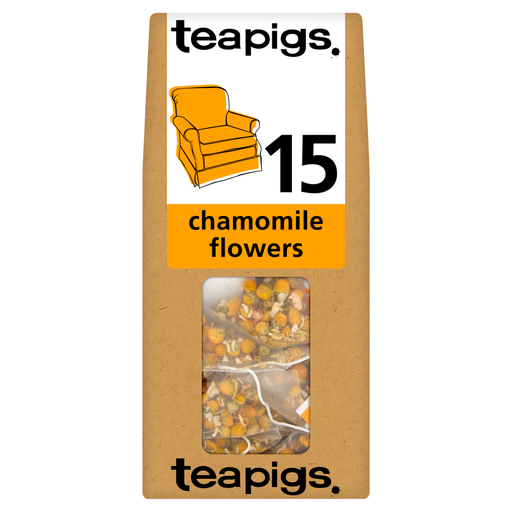
Teapigs Chamomile Flowers, 15 tea bags, 180g
A chamomile tea-bag option when you want an evening infusion rather than matcha or a powdered latte. Check the pack’s caffeine statement if avoiding caffeine is essential.
View on Joybuy
 No image available
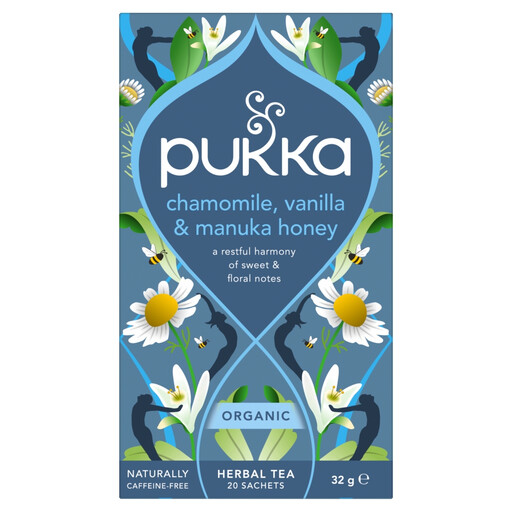
Pukka Chamomile Vanilla & Manuka Honey, 20 sachets, 32g
An herbal tea-bag alternative if keeping matcha’s powdered format is not important. Check the ingredients if you have a chamomile-family allergy, and follow the pack’s guidance if you are pregnant.
View on Joybuy
 No image available
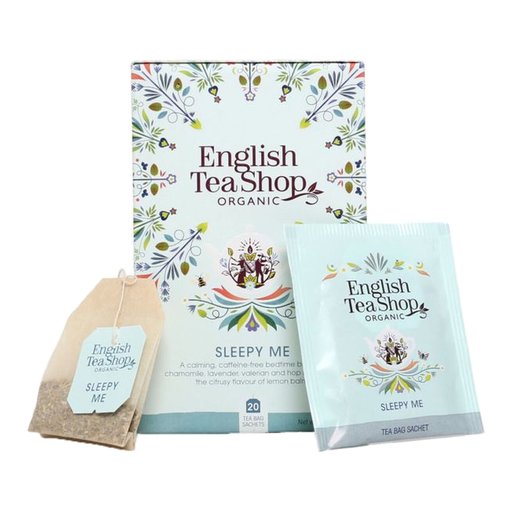
English Tea Shop Organic Sleepy Me, 20 sachets, 30g
A tea-bag drink to consider instead of a matcha latte. Its herbal blend is described as caffeine-free; check the current pack’s ingredients and brewing instructions.
View on Joybuy
 No image available
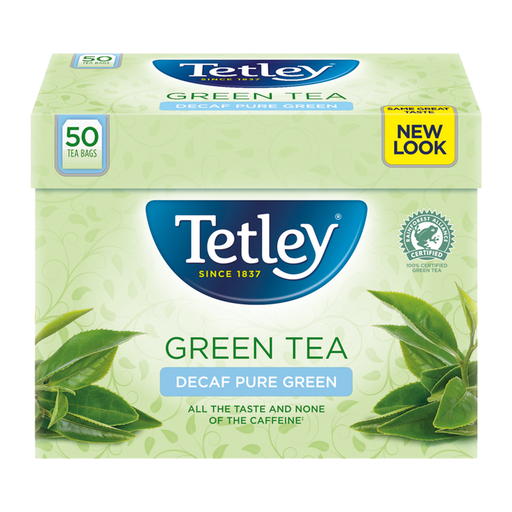
Tetley Decaffeinated Green Tea, 50 tea bags, 100g
A decaffeinated green-tea option if you want tea leaves but not matcha powder. Decaf does not establish zero caffeine; check the manufacturer’s caffeine information per prepared cup if residual caffeine matters.
View on Joybuy
 No image available
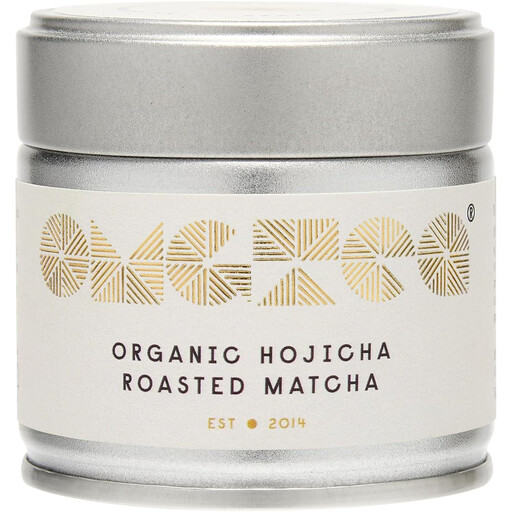
OMGTea Organic Hojicha Roasted Matcha, 30g
A roasted tea powder for a hot, latte-style drink rather than a caffeine-free substitute. It contains caffeine, so check the product’s caffeine information and the amount of powder you would use before choosing it for bedtime.
View on Joybuy
Questions about bedtime matcha
Can traditional matcha be caffeine-free?
Traditional matcha is powdered tea leaf and naturally contains caffeine, as JING Tea explains. A product such as Clearspring Kuwa Matcha is described as naturally caffeine-free because it is made from mulberry leaves instead; it is a matcha-style alternative, not traditional matcha.
Does decaf tea contain no caffeine?
Not necessarily. The British Heart Foundation explains that decaffeinated tea can retain caffeine. Check the caffeine information for the particular tea and serving if avoiding residual caffeine matters to you.
What can I use for a caffeine-free matcha-style latte?
Consider a powder explicitly described as naturally caffeine-free and intended for hot drinks or lattes. Clearspring describes its mulberry-leaf Kuwa Matcha in those terms; check its preparation instructions, and expect a different ingredient base from tea-leaf matcha.
What should I check on a matcha blend?
Read the current pack’s ingredients and caffeine claim, particularly if the name includes ‘matcha’ but the drink is presented as caffeine-free. The Waitrose listing for Pukka Mint Matcha contains both a caffeine-free claim and sencha green tea and matcha in its ingredient list, so ask the manufacturer for clarification before relying on that claim.


