Caffeine-sensitive brunch drinkers
If the whisked drink matters more than tea-leaf ingredients, compare decaf matcha with naturally caffeine-free mulberry- or nettle-leaf powders. A decaf claim alone does not establish zero caffeine.


Choose genuine decaf matcha if drinking green-tea matcha matters more than avoiding caffeine entirely: Enle describes its product as “98% Caffeine Free”, which is not a zero-caffeine claim. If avoiding caffeine is the priority, a naturally caffeine-free mulberry- or nettle-leaf powder keeps the whisked-drink format but is not tea-leaf matcha. Ordinary matcha remains an option for brunch when its caffeine content is acceptable to you.
The choice starts with whether you want less caffeine in genuine matcha or a caffeine-free drink made from a different leaf.
If the whisked drink matters more than tea-leaf ingredients, compare decaf matcha with naturally caffeine-free mulberry- or nettle-leaf powders. A decaf claim alone does not establish zero caffeine.
If you specifically want green-tea matcha, look for a genuine decaf product and check its current caffeine information. A powder made from another plant offers a different flavour and ingredient.
If the powder will go into milk, an iced drink or baking, check directions for those uses. Clearspring gives a latte method for its caffeine-free Kuwa Matcha and notes that it froths less than conventional matcha.
Read the ingredient and caffeine statements first, then check how the powder works in the drink or recipe you plan to make.
| Priority | What to check | Your needs |
|---|---|---|
| Caffeine | Distinguish a decaf claim from an explicit caffeine-free claim. If choosing decaf matcha, check the current caffeine amount for the serving you intend to make. | I want to reduce caffeine but still drink tea-leaf matcha, or I need a powder described as naturally caffeine free. |
| Ingredients | Read the ingredient line: green-tea matcha, mulberry leaf and nettle leaf are different powders. Clearspring lists its Kuwa Matcha as 100% organic Japanese mulberry-leaf powder. | The green-tea ingredient matters to me, or I am happy to change the leaf to avoid caffeine. |
| Brunch preparation | Check directions for milk-based or iced drinks and the amount of powder used. Clearspring’s Kuwa Matcha latte method uses 2g powder, 60ml warm water and 200ml plant milk; Clearspring says it froths less than conventional matcha. | I mainly make lattes, so the preparation method and expected foam matter more than a ceremonial description. |
| Flavour | Check whether the powder is tea leaf or an alternative. Wild Cornish Tea Co describes its nettle-leaf powder as earthy, with kale-like notes. | I want a familiar green-tea matcha flavour, or I am open to a more herbal drink. |
| Daily caffeine | Count caffeine from other foods and drinks as well as the brunch serving. The NHS advises no more than 200mg of caffeine a day during pregnancy. | If I am pregnant, I need to consider the whole day’s caffeine intake, not just what goes into one cup. |
Enle calls its ceremonial matcha “98% Caffeine Free”. That wording does not say there is no caffeine left in a serving.
If you need a caffeine-free option, check for that explicit description and read the ingredient line. If reduced-caffeine tea-leaf matcha suits you, check the current serving information before buying.
Clearspring Kuwa Matcha is made from mulberry leaves, while Wild Cornish Tea Co’s Nettle Matcha is made from nettle leaves. Neither has the same ingredient as conventional green-tea matcha.
Decide whether tea-leaf ingredients or caffeine avoidance matters more before choosing between genuine matcha and a leaf alternative.
A description of the powder does not tell you how your brunch latte will froth. Clearspring says its Kuwa Matcha froths less than conventional matcha.
For a latte or iced drink, check the maker’s preparation directions and serving amount alongside the ingredient and caffeine information.
Caffeine may also come from other drinks and foods consumed that day. The NHS pregnancy guidance sets a daily limit of 200mg, rather than a limit for one brunch drink.
If pregnancy guidance applies, consider total daily intake. For a caffeine restriction related to a medical condition or medicines, seek individual advice: the European Food Safety Authority says its general caffeine assessment does not cover those circumstances.
These examples show how differently named powders can meet different brunch needs; a brand’s matcha and caffeine-free ranges should not be treated as interchangeable.
Enle sells a 30g product described by the brand as ceremonial decaf matcha for people who want to retain tea-leaf matcha.
Clearspring offers conventional green-tea matcha and a separate, naturally caffeine-free Kuwa Matcha made from mulberry leaves.
The brand presents its nettle-leaf powder as a caffeine-free alternative for hot or iced matcha-style drinks and recipes.
JING Tea provides a conventional matcha reference alongside a separate decaffeinated-tea range.
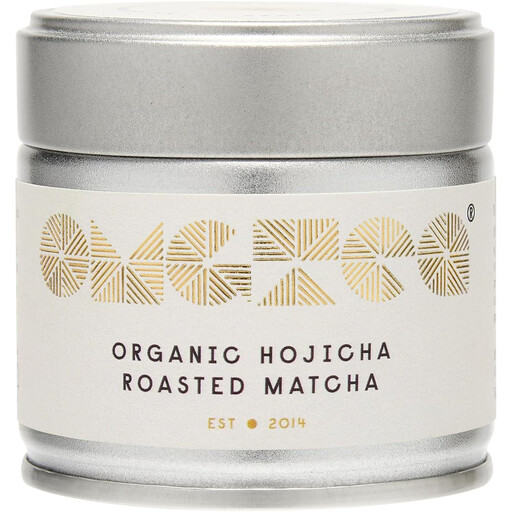
This roasted matcha is an option for a brunch drink when some caffeine is acceptable. It is not a substitute for a powder described as caffeine free.
 No image available
For a Sunday brunch when roasted matcha appeals and some caffeine is acceptable. This is not a caffeine-free choice; check the current packaging for caffeine per serving and preparation directions before deciding how much to use.
No. Decaf matcha can contain residual caffeine: Enle describes its ceremonial decaf product as “98% Caffeine Free”, not zero caffeine. Clearspring describes its Kuwa Matcha as naturally caffeine free, but it is made from mulberry leaves rather than green-tea leaves.
Choose a powder explicitly described as naturally caffeine free if that matters more than drinking tea-leaf matcha. Clearspring’s mulberry-leaf Kuwa Matcha recipe uses 2g powder, 60ml warm water and 200ml plant milk; Clearspring says it froths less than conventional matcha.
Yes, if caffeine is acceptable to you, but ordinary matcha is not decaf. Clearspring estimates approximately 32mg of caffeine per 1g of dry matcha powder using Japanese food-composition data from 2015; check your product’s information and the amount your recipe uses rather than treating that estimate as a measurement of every matcha.
The NHS advises no more than 200mg of caffeine a day during pregnancy, counting sources beyond tea. Ordinary matcha contains caffeine, and a decaf claim does not necessarily mean zero; check the product’s serving information when considering the day’s total.
No. The European Food Safety Authority says its general caffeine assessment does not consider possible adverse effects for people with a disease or medical condition, or caffeine taken in combination with medicines. Ask a clinician or pharmacist for advice about a restriction that applies to you.