Organisers providing a caffeine-free option
Offer a clearly named alternative alongside caffeinated drinks. A powdered mulberry-leaf product can be prepared in a latte-style drink, but should not be labelled as conventional matcha.


If a conference needs a caffeine-free green drink, choose a product explicitly labelled caffeine-free and check what plant it contains. Clearspring Kuwa Matcha is made from mulberry leaf, so describe it as a matcha-style alternative rather than conventional green-tea matcha. Offer conventional matcha separately as a caffeinated drink, with ingredient and allergen information for each finished recipe.
The choice depends on whether attendees need no caffeine, want conventional matcha, or need clear information about the finished drink.
Offer a clearly named alternative alongside caffeinated drinks. A powdered mulberry-leaf product can be prepared in a latte-style drink, but should not be labelled as conventional matcha.
Check the tea ingredient and the supplier’s caffeine information before describing a drink as decaf. Conventional powdered green-tea matcha contains caffeine.
Keep ingredient and allergen information for the powder and every addition, including milk, plant drinks, syrups and garnishes. The Food Standards Agency says catering businesses must provide allergen information for both prepacked and non-prepacked food and drink.
Set the caffeine requirement first, then check the ingredient, serving information and recipe that attendees will actually receive.
Choose when: the drinks station needs an option explicitly labelled caffeine-free.
Trade-off: Clearspring’s Kuwa Matcha is mulberry leaf rather than green tea, so its menu name must make that distinction clear.
Choose when: a caffeinated powdered green-tea drink meets the catering brief.
Trade-off: it cannot fill the caffeine-free slot; check the chosen product and serving size before communicating caffeine amounts.
| Priority | What to check | Your needs |
|---|---|---|
| Caffeine status | Read the current pack’s caffeine claim and ingredient list. Do not treat a green powder or a matcha grade as evidence that it is decaffeinated. | I need a drink explicitly identified as caffeine-free for attendees who avoid caffeine, rather than an assumed low-caffeine option. |
| Caffeinated servings | For conventional matcha, check the caffeine amount against the supplier’s stated quantity of powder and the portion you plan to serve. Clearspring cites approximately 32 mg per 1 g of dry powder for its Premium Grade Matcha; that figure is specific to its product. | If I serve green-tea matcha, I want to name it as caffeinated and give attendees information relevant to the actual recipe. |
| Preparation and menu wording | Check how the powder is prepared for the planned drinks and trial the intended recipe. Describe a mulberry-leaf drink as a matcha-style alternative, not green-tea matcha. | For a staffed or self-service station, I want each drink name to distinguish the caffeine-free alternative from conventional matcha. |
| Finished-drink ingredients | Keep ingredient and allergen details for each powder, milk, plant drink, syrup and garnish used. Check the information for every served variation, not just the base powder. | I need attendees to be able to identify what is in the drink they choose. The Food Standards Agency says allergen information must be provided for prepacked and non-prepacked drinks in catering. |
Clearspring lists Kuwa Matcha as 100% organic Japanese mulberry leaf powder, while its conventional matcha is green-tea powder. Treating the two as identical obscures both the ingredient and the caffeine distinction.
Name both clearly on the menu, such as “caffeine-free mulberry-leaf matcha-style latte” and “caffeinated green-tea matcha latte”.
“Premium” and “ceremonial” do not mean decaf. JING includes its Organic Matcha Ceremonial Grade in its high-caffeine tea collection.
Use the selected supplier’s caffeine information and your intended serving size instead of relying on the grade name.
Milk, plant drinks, syrups and garnishes change the ingredients and may change the allergens in the drink served to attendees.
Keep ingredient and allergen information for each finished recipe, including variations prepared at the station.
These product lines illustrate different drinks and shopping routes; a brand’s broader range does not establish that a particular product is caffeine-free.
Offers both mulberry-leaf Kuwa Matcha and conventional green-tea matcha.
A reference for conventional matcha when a caffeinated drink is acceptable.
Has a matcha collection that buyers can consider for a conventional tea shortlist.
Lists conventional matcha powder and single-serve matcha sachet formats.
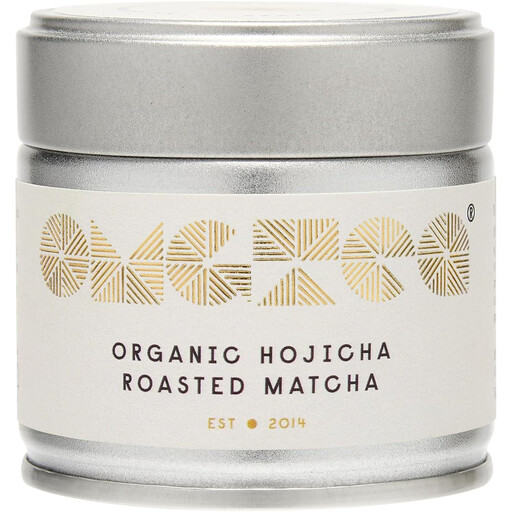
This roasted matcha option is relevant when the catering plan allows caffeine; it should not fill a caffeine-free drinks slot.
 No image available
For a conference station serving roasted matcha where caffeine is acceptable, check the current pack’s caffeine information against the amount used in each drink. The named tin contains 30g; confirm the planned serving size and finished-drink ingredients before ordering for the event.
No. Conventional matcha is powdered green tea and contains caffeine. Clearspring cites approximately 32 mg per 1 g of dry powder for its Premium Grade Matcha; check the chosen product and serving size rather than applying that figure to every matcha.
It can be considered when the brief calls for a caffeine-free green powdered drink: Clearspring describes it as naturally caffeine-free and lists 100% organic Japanese mulberry leaf powder as its ingredient. Call it a mulberry-leaf matcha-style drink, not conventional green-tea matcha.
Identify conventional matcha as caffeinated and check the selected product’s information against the portion served. The NHS advises pregnant people not to exceed 200 mg of caffeine a day, so do not imply that an unspecified matcha serving is caffeine-free or suitable for everyone.
The Food Standards Agency says catering businesses must provide allergen information for both prepacked and non-prepacked food and drink. Keep details for the powder and every addition to each finished drink, including milk, plant drinks, syrups and garnishes, available to attendees.