If avoiding caffeine is the priority, choose a clearly labelled caffeine-free powder made from a non-tea plant, such as mulberry leaf, or a caffeine-free herbal infusion; neither is traditional matcha. Decaffeinated green tea keeps the tea-leaf ingredient but is brewed rather than whisked and may retain trace caffeine. Ordinary matcha is a choice only if you are willing to measure and count its caffeine, not if you need a decaf drink.
Who is each drink for?
Matcha-latte drinkers avoiding caffeine
If you want a green powder-and-milk drink at elevenses without caffeine from tea leaves, look at non-tea powders rather than conventional matcha. Clearspring describes its mulberry-leaf Kuwa Matcha as naturally caffeine-free; the ingredient is not green tea.
Tea drinkers reducing caffeine
If keeping a tea-leaf drink matters more than whisking a powder, decaffeinated green tea offers a brewed alternative. JING Tea notes that decaffeinated tea can still contain trace caffeine, so it is a different choice from a naturally caffeine-free infusion.
Pregnant shoppers counting caffeine
The NHS advises no more than 200mg of caffeine a day during pregnancy, counting sources beyond tea. Check the caffeine in the amount of powder you actually use and include other drinks and foods in that daily total.
What should you check before choosing?
Choose the drink type first: a caffeine-free non-tea powder, decaffeinated brewed tea or measured conventional matcha. Then check the exact ingredients, caffeine wording and serving size on the product you intend to prepare.
Caffeine-free matcha-style powder
Choose it when: You want a powder-based elevenses drink while avoiding caffeine from tea leaves; Clearspring describes its 100% mulberry-leaf Kuwa Matcha as naturally caffeine-free.
Bear in mind: Mulberry leaf is not the green-tea leaf used in traditional matcha, so the ingredient and flavour are different.
Decaffeinated green tea
Choose it when: You prefer a brewed tea made from tea leaves and reducing caffeine is sufficient.
Bear in mind: It will not make a whisked matcha drink, and JING Tea says trace caffeine can remain after decaffeination.
Conventional matcha
Choose it when: The green-tea powder itself matters to you and you are prepared to count the caffeine in a measured serving.
Bear in mind: A smaller scoop changes the amount consumed but does not make matcha decaffeinated.
| Priority | What to check | Your needs |
|---|
| Caffeine status |
Read the ingredient list for green tea or another plant. Check whether the exact product says naturally caffeine-free or decaffeinated; the terms do not mean the same thing. |
I want to avoid caffeine, not merely reduce it, and still make a green drink at elevenses. |
| Serving amount |
For ordinary matcha, compare the stated caffeine amount with its specified weight of powder. Clearspring estimates about 32mg per 1g of its Premium Grade Matcha; Waitrose lists 68mg per 2g serving for Perfect Ted powder. |
A measured mid-morning cup lets me count its caffeine alongside the other sources I consume that day. |
| Drink format |
Check whether you are buying a powder to whisk or mix with milk, or tea bags or leaves to brew. A decaffeinated green-tea bag does not produce a whole-powder matcha drink. |
For elevenses, I would rather have a straightforward brewed cup than prepare a whisked powder—or the other way round. |
| Conflicting wording |
Compare caffeine claims with the ingredients on the current pack. A Waitrose listing describes Pukka Supreme Matcha Green as naturally caffeine-free while also listing green tea and matcha. |
If a label and ingredient list appear to disagree, I want to resolve that before treating the drink as caffeine-free. |
Common mistakes when choosing decaf matcha
-
Assuming “matcha” means caffeine-free
Traditional matcha is ground green-tea leaf and contains caffeine. A matcha-style product made from another plant is a different ingredient, even if it is prepared as a green powder drink.
For caffeine avoidance, check both the main ingredient and an explicit caffeine-free statement for the exact product. Words such as “organic” or “ceremonial” do not establish its caffeine status.
-
Treating decaffeinated tea as zero-caffeine tea
Decaffeination reduces caffeine in tea leaves, but JING Tea says traces can remain. That distinction matters if you need to avoid caffeine rather than reduce it.
Choose decaffeinated green tea for a brewed, reduced-caffeine drink; consider a clearly labelled naturally caffeine-free non-tea option when residual caffeine is unsuitable.
-
Trusting a caffeine claim without checking ingredients
The Waitrose listing for Pukka Supreme Matcha Green calls the tea naturally caffeine-free yet lists green tea at 98% and matcha at 2%. Those statements should not be treated as confirmation of a caffeine-free drink.
Check the current pack and manufacturer information before buying if the caffeine status is decisive.
-
Using an unmeasured scoop of ordinary matcha
Caffeine figures apply to stated amounts of powder: Clearspring estimates about 32mg per 1g of its Premium Grade Matcha, while Waitrose lists 68mg per 2g serving for Perfect Ted powder.
If you are counting caffeine, measure your serving against the figure for that product rather than assuming one scoop has a fixed amount.
Brand and retailer references
These examples help distinguish ingredients and caffeine claims; they do not imply that every product from a brand has the same caffeine status.
Clearspring
Clearspring lists both a mulberry-leaf matcha-style powder and conventional green-tea matcha.
- Its Kuwa Matcha contains 100% organic Japanese mulberry leaf powder and is described by Clearspring as naturally caffeine-free.
- Its Premium Grade Matcha contains green tea; Clearspring estimates approximately 32mg caffeine per 1g of dry powder.
JING Tea
JING Tea distinguishes conventional matcha from caffeine-free infusions and decaffeinated tea.
- Its guidance explains that true matcha comes from Camellia sinensis, while decaffeinated tea has been processed to remove most caffeine.
- JING Tea says decaffeinated tea may retain traces of caffeine; its matcha guidance estimates roughly 60–70mg for a 1–2g serving.
Waitrose
Waitrose product listings illustrate why the serving figure and ingredient list both matter.
- Its Perfect Ted Matcha Green Tea Powder listing states 68mg caffeine per 2g serving and lists matcha as the sole ingredient.
- Its Pukka Supreme Matcha Green listing pairs a naturally caffeine-free description with green tea and matcha ingredients; check the current pack and manufacturer information before relying on that claim.
M&S
M&S explains conventional matcha and separately lists decaffeinated tea bags.
- M&S describes matcha as ground, shade-grown green-tea leaves, with the whole leaf consumed in the drink.
- Its listed decaffeinated tea bags are a brewed tea product, not matcha powder.
Joybuy options for elevenses
These options cover a decaffeinated brewed green tea and two matcha powders for shoppers who are measuring rather than avoiding caffeine. Check each product’s current pack if its precise caffeine amount matters to your choice.
 No image available
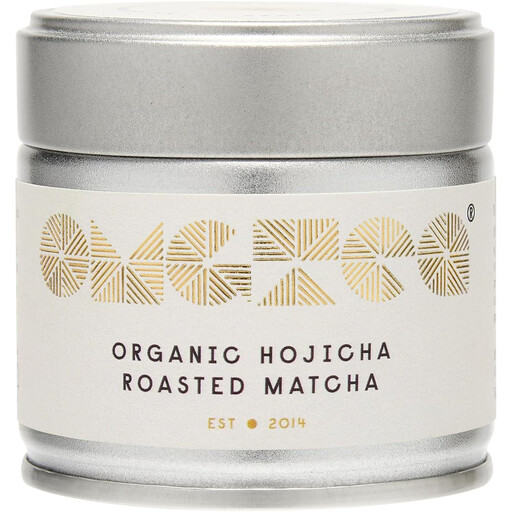
OMGTea Organic Hojicha Roasted Matcha 30g
This roasted matcha powder keeps the powder-drink format for elevenses, but it is not a caffeine-free choice. The pack is 30g; check its serving instructions and caffeine figure if you are counting your intake.
View on Joybuy
 No image available
Tetley Green Tea Decaffeinated, 50 Tea Bags, 100g
Choose these tea bags for a brewed decaffeinated green tea rather than a whisked matcha drink. The pack contains 50 tea bags and is labelled 100g; decaffeinated tea can retain trace caffeine, so check the current pack if you need an exact amount per cup.
View on Joybuy
 No image available
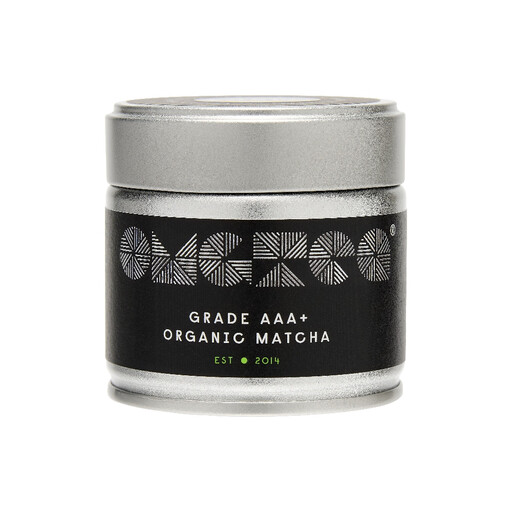
OMGTea Organic Matcha AAA+ 30g
This 30g matcha powder is for a conventional matcha drink, not a decaf elevenses. If you are reducing caffeine rather than avoiding it, measure the powder you use and check the pack’s caffeine information for that serving.
View on Joybuy
Questions about caffeine and matcha
Is a caffeine-free matcha-style drink traditional matcha?
Not if its powder comes from a different plant. Traditional matcha is ground green-tea leaf from Camellia sinensis and contains caffeine; Clearspring’s naturally caffeine-free Kuwa Matcha, for example, is made from mulberry leaf. Check the ingredient list rather than the word “matcha” alone.
Does decaffeinated green tea contain no caffeine?
Not necessarily. JING Tea explains that decaffeinated tea can retain trace caffeine. If avoiding residual caffeine matters to you, check for a clearly labelled naturally caffeine-free non-tea alternative instead.
How much caffeine is in an ordinary matcha serving?
It depends on the product and the weight of powder used. Clearspring estimates approximately 32mg per 1g of its Premium Grade Matcha, while Waitrose lists 68mg per 2g serving for Perfect Ted Matcha Green Tea Powder. Use the figure and serving size for the exact product you prepare.
How should I count matcha caffeine during pregnancy?
Count the caffeine in your measured matcha serving alongside other sources during the day. The NHS advises no more than 200mg of caffeine a day during pregnancy and notes that caffeine also occurs in drinks and foods beyond tea.
What if a caffeine claim conflicts with the ingredients?
Do not treat the claim alone as confirmation. Waitrose’s Pukka Supreme Matcha Green listing describes the tea as naturally caffeine-free but lists green tea and matcha as ingredients; check the current pack and manufacturer information before choosing it for caffeine avoidance.


