Night-shift workers planning daytime sleep
You want a drink with a shift snack while being mindful of caffeine before going home to sleep. NHS night-shift guidance advises minimising caffeine in the evening.


Ordinary green-tea matcha contains caffeine, so it is not the choice if you want to avoid caffeine before planned daytime sleep. For a whiskable green powder, look for one explicitly labelled caffeine-free and check its ingredients: a mulberry-leaf alternative is not green-tea matcha. If a brewed drink will do, consider a naturally caffeine-free infusion or a decaffeinated tea, checking the wording on the individual pack.
You want a drink with a shift snack while being mindful of caffeine before going home to sleep. NHS night-shift guidance advises minimising caffeine in the evening.
You want a powder for a latte, smoothie or recipe, but need to distinguish caffeine-free alternatives from ground green-tea matcha. Clearspring describes its mulberry-leaf Kuwa Matcha as naturally caffeine-free.
You would rather brew a tea alongside your snack than use a powder. Decaffeinated tea and naturally caffeine-free herbal infusions offer different ingredients and preparation from matcha.
Decide whether avoiding caffeine or keeping the whisked-powder format matters more, then check the ingredients and caffeine wording of the exact product.
| Priority | What to check | Your needs |
|---|---|---|
| Caffeine wording | Distinguish an explicit caffeine-free claim from a decaffeinated label. Check the current pack if the amount of caffeine matters to you. | I want to avoid caffeine before planned sleep, rather than assume that anything labelled tea or matcha is suitable. |
| Ingredients | Check whether the powder contains ground green-tea leaf or another plant. Clearspring lists 100% mulberry leaf for its caffeine-free Kuwa Matcha; it estimates approximately 32 mg of caffeine per 1 g of its regular dry matcha. | If I choose a green powder, I want to know whether I am buying genuine matcha or a matcha-style substitute. |
| Preparation | Choose a powder for whisking or adding to a recipe, or tea bags for a brewed drink. Clearspring suggests lattes and baking for Kuwa Matcha; decaffeinated tea bags are a different format. | A drink alongside my snack may be enough, or I may specifically need a powder for a latte or recipe. |
| Shift timing | Consider when you plan to drink caffeinated matcha relative to your shift and sleep. NHS night-shift guidance advises minimising caffeine in the evening. | Later in my shift, I would rather check the caffeine status than rely on matcha being a type of tea. |
Clearspring Kuwa Matcha contains mulberry leaf, while the brand’s regular matcha contains ground green-tea leaf. The names describe different ingredients.
Read the ingredient list before choosing: a caffeine-free plant powder may suit the preparation you want without being genuine green-tea matcha.
Ordinary matcha contains caffeine. Clearspring estimates approximately 32 mg per 1 g of its regular dry matcha, and NHS night-shift guidance advises minimising caffeine in the evening.
If avoiding caffeine is your priority, check for an explicit caffeine-free claim rather than relying on the word matcha.
A brewed tea can accompany a snack, but it does not provide a powder to whisk into a latte, smoothie or baking recipe.
Choose the format around how you intend to prepare the drink or snack, not just its caffeine wording.
A category can include both decaffeinated teas and naturally caffeine-free infusions. Marks & Spencer also advises reading the pack because product information can change.
Check the individual pack for its ingredients, caffeine wording and allergen information before purchase.
These brands illustrate the difference between green-tea matcha, caffeine-free powder alternatives and brewed teas; their ranges are not interchangeable.
Offers both regular green-tea matcha and Kuwa Matcha, a mulberry-leaf powder.
Offers brewed-tea alternatives alongside a separate matcha range.
Its decaffeinated tea bags offer a brewed-tea format rather than a powder.
Its tea range includes decaffeinated products and naturally caffeine-free infusions.
These tea bags are options for a brewed drink alongside a night-shift snack. They do not provide a whiskable matcha-style powder; check each pack’s caffeine wording against your needs.
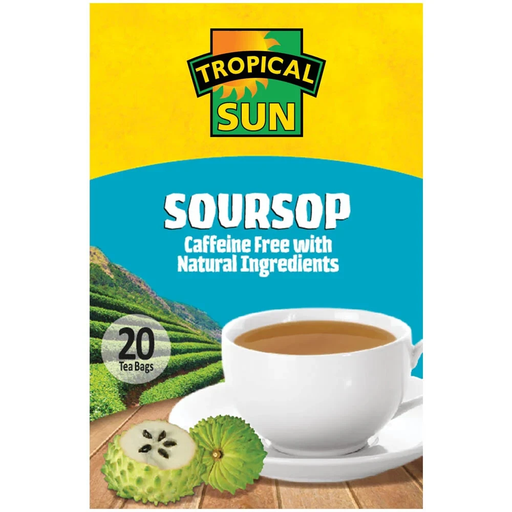 No image available
A tea-bag option for a brewed drink with a snack, rather than a powder for a matcha-style latte. Check the pack’s caffeine wording if avoiding caffeine is essential.
 No image available
Choose this tea-bag format if you want a lemon-and-ginger drink with your snack, not a powder for whisking or baking. Check the current pack for its caffeine wording.
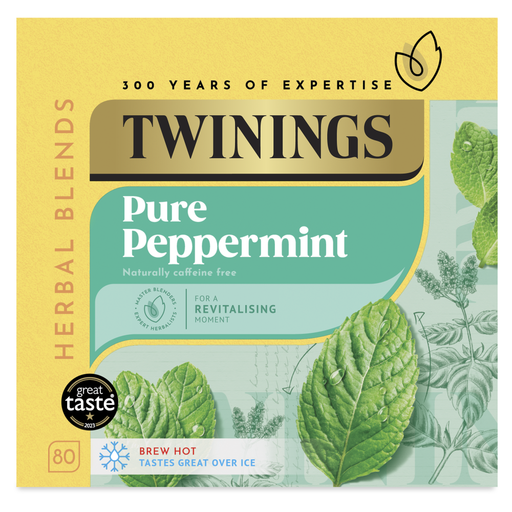 No image available
A peppermint tea-bag option when a brewed drink will do instead of a matcha-style powder. Check the pack if you need to confirm its caffeine status.
 No image available
Consider this if you want brewed green tea rather than matcha powder. It is labelled decaffeinated, not caffeine-free; check the current pack if the amount of caffeine per cup matters to you.
No. Ordinary matcha is ground green-tea leaf and contains caffeine. Clearspring estimates approximately 32 mg of caffeine per 1 g of its regular dry matcha, so check the specific product rather than treating matcha as decaffeinated.
Look for a powder explicitly labelled caffeine-free, then read its ingredients. Clearspring describes its Kuwa Matcha as naturally caffeine-free, made from 100% organic Japanese mulberry leaf and suitable for lattes; it is a substitute, not green-tea matcha.
If avoiding caffeine is the priority, look for an infusion explicitly labelled naturally caffeine-free. If you want a conventional brewed-tea format, consider a decaffeinated tea and check that product’s caffeine wording; JING’s range includes both naturally caffeine-free peppermint and decaffeinated Ceylon.
Yes, if you are deciding whether to have a caffeinated drink before planned sleep. Ordinary matcha contains caffeine, and NHS night-shift guidance advises minimising caffeine in the evening. Consider your shift timing and the caffeine status of the exact drink you choose.