If avoiding caffeine is the priority, choose a naturally caffeine-free powder such as Clearspring Organic Japanese Kuwa Matcha for a matcha-style latte, but check the ingredients: it is mulberry leaf, not conventional green-tea matcha. Choose conventional matcha for its tea-leaf character only if its caffeine fits your needs. Decaffeinated tea bags are another option for an ordinary cup of tea, not a substitute for whisked powder.
Who is each option for?
Matcha-style latte drinkers avoiding caffeine
If whisking a green powder matters more than using tea leaf, a naturally caffeine-free mulberry-leaf powder keeps the drink format without being conventional matcha. Clearspring identifies its Kuwa Matcha as 100% mulberry leaf.
Traditional matcha drinkers managing caffeine
If you want ground green-tea leaf, check the caffeine information rather than assuming a premium or ceremonial label means decaf. Clearspring states that its conventional matcha contains approximately 32 mg caffeine per 1 g of dry powder.
Evening tea drinkers who do not need powder
If the aim is a hot drink rather than a whisked latte, a naturally caffeine-free herbal infusion or decaffeinated tea bag may suit the occasion. JING Tea notes that decaffeinated true tea can retain trace caffeine.
What should you check before buying?
Caffeine-free leaf powder
Choose it when: You want to whisk a green powder into a latte while avoiding caffeine; Clearspring describes its mulberry-leaf Kuwa Matcha as naturally caffeine-free.
Trade-off: It is not green-tea matcha, and Clearspring says it froths less than ordinary matcha.
Conventional matcha
Choose it when: Ground green-tea leaf is the point of the drink and caffeine is acceptable.
Trade-off: It is not a decaf route: Clearspring states that its premium matcha contains approximately 32 mg caffeine per 1 g of dry powder.
Tea bags or herbal infusions
Choose them when: You want an ordinary cup of tea or herbal infusion rather than a whisked powder.
Trade-off: Tea bags do not provide matcha’s powder preparation; JING Tea also notes that decaffeinated true tea can retain trace caffeine.
| Priority | What to check | Your needs |
|---|
| Caffeine status |
Read the caffeine statement and distinguish naturally caffeine-free ingredients from decaffeinated tea, which can retain traces according to JING Tea. Do not infer decaf status from a premium or ceremonial label. |
I want to avoid caffeine, not simply choose a different kind of green drink. |
| Ingredient identity |
Check whether the ingredient is green-tea leaf or another plant. Clearspring lists 100% mulberry leaf in Kuwa Matcha and 100% matcha green-tea powder in its conventional product. |
The flavour and identity of conventional matcha matter to me more than a similar-looking powder. |
| Preparation |
Check that the product is a powder if you plan to whisk it or use it in a latte. Clearspring gives a latte method for Kuwa Matcha but notes that it froths less than ordinary matcha; tea bags serve a different use. |
I want to make a hot or iced latte, rather than brew an ordinary cup of tea. |
| Total caffeine |
Check the powder amount per drink alongside caffeine from other foods and drinks. Clearspring states approximately 32 mg per 1 g of its dry conventional matcha. For pregnancy, the NHS advises no more than 200 mg caffeine a day from all sources. |
I need to account for the caffeine in a serving as part of my day, not assume matcha is decaf. |
Common buying mix-ups
-
Assuming green-tea matcha is decaf
Conventional matcha contains ground tea leaf. Clearspring states that its premium matcha contains approximately 32 mg caffeine per 1 g of dry powder.
If caffeine avoidance is essential, check an explicit caffeine statement rather than relying on words such as “premium” or “ceremonial”.
-
Assuming every caffeine-free “matcha” is tea
Clearspring Kuwa Matcha is mulberry-leaf powder, whereas its conventional matcha is green-tea powder. Clearspring also notes that Kuwa Matcha froths less when whisked.
Read the ingredient list: choose the mulberry-leaf format for a caffeine-free powder, or green-tea matcha when tea-leaf identity matters and caffeine is acceptable.
-
Buying tea bags for a powder-based drink
Decaffeinated tea bags make an ordinary brewed drink; they do not supply the powder used for a whisked matcha-style latte.
Decide how you will prepare the drink before choosing between tea bags and a caffeine-free leaf powder.
-
Relying on an older online ingredient listing
Waitrose advises that product recipes can change, which matters when checking ingredients or allergens.
Read the current pack before use, particularly if an allergy, intolerance or dietary requirement affects your choice.
Brand and product references
Clearspring
Clearspring lists both a naturally caffeine-free mulberry-leaf powder and conventional matcha made from green-tea leaf.
- Its Organic Japanese Kuwa Matcha is listed as 100% organic Japanese mulberry-leaf powder and naturally caffeine-free.
- Kuwa Matcha is not conventional matcha. Clearspring states that its separate premium green-tea matcha contains approximately 32 mg caffeine per 1 g of dry powder.
JING Tea
JING Tea describes conventional matcha alongside separate decaffeinated-tea and caffeine-free herbal-infusion options.
- Its product information distinguishes green-tea matcha from herbal infusions that contain no tea leaf.
- JING Tea states that matcha contains caffeine and that decaffeinated true tea can retain trace amounts.
M&S
M&S lists decaffeinated tea bags for shoppers who want a brewed cup rather than matcha powder.
- Its UK product information identifies an 80-bag decaffeinated tea product.
- Tea bags do not provide a whisked matcha-style powder or conventional matcha.
Joybuy powder option
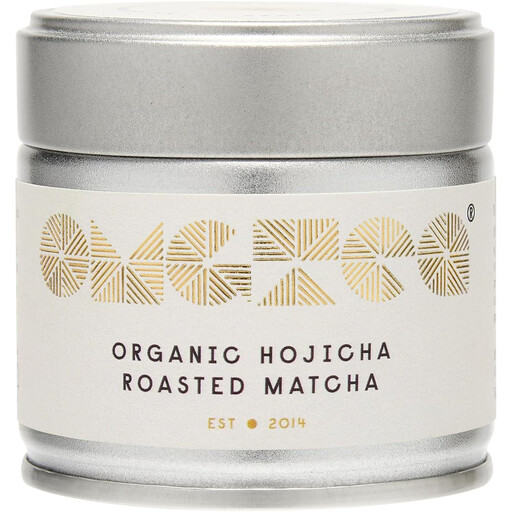
This roasted powder is an option for a matcha-style drink when caffeine is acceptable; it is not a caffeine-free or confirmed decaffeinated choice.
 No image available
OMGTea Organic Hojicha Roasted Matcha 30g
Consider this roasted powder for a latte-style drink if avoiding caffeine is not essential. Its product information describes caffeine as present, so do not treat it as a decaf matcha.
View on Joybuy
Questions about decaf matcha
Is caffeine-free “matcha” always made from tea?
No. Clearspring lists its naturally caffeine-free Kuwa Matcha as 100% Japanese mulberry-leaf powder, not conventional green-tea matcha. Check the ingredient list if tea-leaf identity matters to you.
Does decaffeinated tea contain no caffeine at all?
Not necessarily. JING Tea explains that decaffeinated true tea has most of its caffeine removed but can retain traces. A naturally caffeine-free herbal infusion is a different product made without tea leaf.
How can I make a caffeine-free matcha-style latte?
Clearspring’s Kuwa Matcha recipe whisks 1 tsp (2 g) of its mulberry-leaf powder with 60 ml warm water, then adds 200 ml plant milk; it can be served warm or over ice. Clearspring notes that it froths less than ordinary matcha.
How does conventional matcha count towards caffeine intake during pregnancy?
Count it as a source of caffeine, not a decaf drink. The NHS advises pregnant people to have no more than 200 mg caffeine a day from all sources. Clearspring states approximately 32 mg caffeine per 1 g of its dry conventional matcha powder, so the amount used and other caffeine consumed that day both matter.
Should I check the pack if I have an allergy or intolerance?
Yes. Waitrose advises checking the product label because recipes can change; use the current pack when ingredients or allergen information affect your choice.


