Who is this choice for?
The useful distinction is between choosing an enjoyable drink and addressing an individual nutrition or health concern.
Older adults considering less caffeine
Decaf offers a familiar coffee option when caffeine appears to aggravate symptoms. NHS Tayside notes that caffeine can worsen some bladder and bowel symptoms, while NHS inform lists drinking lots of caffeine among common causes of palpitations.
Carers choosing everyday drinks
A carer can choose a drink the person enjoys without treating it as a substitute for meals or an individual care plan. Norfolk and Waveney Integrated Care System notes increased malnutrition risk among people living in care homes or requiring care.
Households with a pod machine
The machine narrows the choice before blend or cup style does: Nespresso Original and Vertuo capsules are distinct, Tassimo uses T DISCs, and Dolce Gusto pods are made for Dolce Gusto machines.
What should you check before buying?
Start with the machine and the person’s preferred drink, then check caffeine, ingredients and how coffee fits into their wider food and fluid routine.
| Priority |
What to check |
Your needs |
| Machine fit |
Read the machine’s system name and the pack’s compatibility wording. Check Original versus Vertuo, or whether the pod is a Tassimo T DISC or a Dolce Gusto capsule. |
I already have a pod machine, so the blend needs to fit it; a preferred flavour cannot make an incompatible capsule usable. |
| Caffeine |
Check whether the exact variant is decaffeinated. Consider whether caffeine appears to aggravate symptoms; NHS Tayside identifies caffeine as a possible factor in bladder and bowel symptoms. |
Someone who enjoys coffee may prefer a decaf option if caffeine seems troublesome. Age alone does not decide whether to switch. |
| Milk ingredients |
Read the full ingredient and allergen information for the exact variant. NESCAFÉ Dolce Gusto lists whole milk powder in Café au Lait Decaf, unlike a coffee-only recipe. |
For a person avoiding milk, I need to check the recipe rather than assume every decaf pod contains only coffee. |
| Nutrition |
Use the exact drink’s nutrition panel if its energy or protein contribution matters. Do not treat a milk-coffee pod as a replacement for an assessed nutrition plan. |
If the concern is poor appetite or malnutrition risk, choosing a pod cannot establish what the person needs; their care plan or a clinician should guide that decision. |
| Fluid routine |
Consider coffee alongside the person’s other drinks and any individual fluid advice. The NHS identifies older adults as being at greater risk of dehydration. |
I want coffee to remain an enjoyable part of the day without assuming that choosing a larger cup settles the person’s fluid needs. |
| Drink style |
Check whether the pod makes an espresso, lungo, Americano or milky drink, and confirm the intended serving size. Nespresso lists Melozio Decaffeinato for a 230 ml Vertuo mug. |
A mug-sized coffee may suit a different routine from an espresso, but I still need the right capsule system and ingredients. |
Brand and pod-system references
These examples help identify capsule families and drink styles; a brand name alone does not establish compatibility with a particular machine.
Nespresso
Nespresso offers decaf capsules for its separate Original and Vertuo systems, including Volluto Decaffeinato and the 230 ml mug-format Melozio Decaffeinato, according to Nespresso UK.
- There are decaf options for different cup formats.
- Check whether the owned machine is Original or Vertuo before choosing a capsule.
NESCAFÉ Dolce Gusto
The brand lists Americano, Lungo and Café au Lait decaf pods for Dolce Gusto machines.
- The range includes black-coffee and milky decaf styles.
- Café au Lait Decaf lists whole milk powder; check the exact pack if milk is a concern.
Tassimo
Tassimo UK lists decaf coffee styles in its T DISC range, including Kenco Decaff Americano.
- The decaf range offers a choice of coffee styles for Tassimo owners.
- Tassimo states that its T DISCs are compatible only with Tassimo machines.
Lavazza
Lavazza UK distinguishes its Decaf capsules compatible with Nespresso Original from Dek Cremoso capsules for its own A Modo Mio system.
- Decaf choices exist for two specified capsule systems.
- The Nespresso Original-compatible and A Modo Mio formats must not be confused.
Joybuy coffee pod options
These decaf pod options are relevant to a familiar coffee routine. Check machine compatibility for each pack; neither product should be chosen as nutritional support.
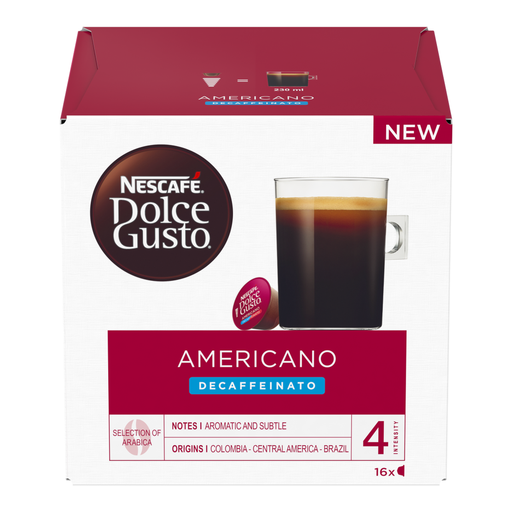 Image unavailable
NESCAFÉ Dolce Gusto Americano Decaf Pods, 16 capsules, 128g
A decaf Americano option for someone who prefers black coffee and owns a Dolce Gusto machine. Joybuy lists decaffeinated roast and ground coffee as the ingredients. Check the exact pack against any individual dietary requirements; coffee alone is not nutritional support.
View on Joybuy
 Image unavailable
Morrisons The Best Fairtrade Decaf Pods, 54g
Another decaf pod choice for a familiar coffee routine. Confirm that its capsule format fits the intended machine, and check the exact ingredients and nutrition information if they affect the person’s choice. Do not use coffee pods in place of individual nutrition advice.
View on Joybuy
Frequently asked questions
Can coffee pods provide nutrition support for an older person?
No coffee pod can establish that an individual’s nutritional needs are being met. A milk-containing drink differs from a coffee-only pod, but concerns about poor appetite, weight loss, swallowing or a prescribed diet call for the person’s care plan or appropriate clinical advice.
Should an older person automatically choose decaf?
No. Decaf is worth considering when caffeine appears to aggravate symptoms or the person wants to reduce it; age alone is not a reason to switch. NHS Tayside notes that caffeine can worsen some bladder and bowel symptoms, and NHS inform lists drinking lots of caffeine among common causes of palpitations.
How do I know which pods fit the machine?
Identify the machine’s exact system before choosing a blend. Nespresso Original and Vertuo use separate capsule formats, Tassimo specifies T DISCs for Tassimo machines, and Dolce Gusto pods are intended for Dolce Gusto machines.
Can a decaf coffee pod contain milk?
Yes. NESCAFÉ Dolce Gusto lists whole milk powder in Café au Lait Decaf, so decaf does not mean milk-free. Read the ingredient and allergen information for the exact variant when milk needs to be avoided.
Does a mug of coffee settle an older person’s fluid needs?
No single drink establishes that someone is getting enough fluid. The NHS identifies older adults as being at greater risk of dehydration and advises moderation with caffeine; consider coffee as part of the person’s wider drinking routine and follow any individual fluid advice.


