Evening black-tea drinkers
If you want your usual plain or milky cuppa after dinner, decaffeinated black tea keeps the black-tea base while reducing caffeine. Choose a plain blend rather than assuming every tea sold for bedtime has the same flavour.


Choose decaffeinated black tea if you want a familiar evening cuppa while reducing caffeine; a flavoured decaf blend offers a different taste but still contains decaffeinated tea. If avoiding residual caffeine matters more than black-tea flavour, look for an infusion labelled caffeine-free and check its ingredients: Twinings notes that decaf tea can retain traces of caffeine.
If you want your usual plain or milky cuppa after dinner, decaffeinated black tea keeps the black-tea base while reducing caffeine. Choose a plain blend rather than assuming every tea sold for bedtime has the same flavour.
Decaf tea and a caffeine-free infusion are different choices. Twinings says minor traces can remain in decaffeinated tea; check an infusion’s label and ingredients if avoiding residual caffeine is your priority.
Check claims on the exact pack. Clipper describes an organic and Fairtrade decaf tea, while Typhoo states Rainforest Alliance certification for its 80-bag decaf product; those details should not be assumed to apply to every product from either brand.
Choose it when: you want a conventional black-tea cup with less caffeine.
Bear in mind: decaffeination does not necessarily remove every trace of caffeine, according to Twinings.
Choose it when: you want black tea with additional flavours; Yorkshire Tea Bedtime Brew includes lemon balm, lemongrass, nutmeg and vanilla.
Bear in mind: those ingredients change the flavour, and its decaffeinated black-tea base is not established as caffeine-free.
Choose it when: avoiding residual tea-leaf caffeine matters more than keeping a black-tea flavour.
Bear in mind: an infusion will taste different from black tea; check the label and ingredients rather than assuming every herbal blend is caffeine-free.
| Priority | What to check | Your needs |
|---|---|---|
| Caffeine | Check whether the pack says decaffeinated or caffeine-free. If it gives a caffeine figure, check which product and measure it describes; figures on different bases cannot be compared directly. | I want less caffeine with my evening tea, or I need to avoid even the traces that Twinings says can remain in decaf tea. |
| Flavour | Look for a plain black-tea blend if you want a familiar cuppa. Read the ingredients of bedtime blends for added herbs, spices and flavourings. | A standard black tea suits my usual routine; a cup flavoured with lemon balm, lemongrass, nutmeg and vanilla would be a different choice. |
| Ingredients | Check whether an infusion contains tea leaves or other potentially caffeinated ingredients such as mate or guarana. Check individual botanicals if particular ingredients matter to you. | If I choose an infusion to avoid caffeine, I want its label and ingredients to support that choice. |
| Pack and sourcing | Compare the tea-bag count and the specific organic, Fairtrade or certification statements on the product you intend to buy. | Pack size matters for my regular cups, while any sourcing claim I rely on needs to apply to that exact tea. |
Twinings explains that decaffeinated tea can retain minor traces of caffeine. That distinction matters if your aim is avoidance rather than reduction.
Check the label and ingredients. For an infusion, look for a caffeine-free statement and check for ingredients such as mate or guarana.
Yorkshire Tea Bedtime Brew contains decaffeinated black tea alongside lemon balm, lemongrass, nutmeg and vanilla, so it is a different flavour choice from plain decaf black tea.
Choose a plain Everyday or English Breakfast style for a conventional cuppa; choose a flavoured blend when its listed ingredients appeal to you.
Organic, Fairtrade and packaging statements relate to particular products and materials, not automatically to every decaf tea bag carrying the same brand.
Check the current pack for the specific certification or material statement that matters to you.
Offers a plain decaf option and the separately flavoured Bedtime Brew described by Yorkshire Tea.
Lists several decaf tea styles and distinguishes decaffeinated tea from caffeine-free infusions.
Describes its Organic & Fairtrade Everyday Decaf as a plain decaffeinated black-tea blend.
Offers an 80-bag decaf black-tea product described by Typhoo as made with Kenyan tea.
These tea bags suit the decaffeinated black-tea route: a familiar tea-based cup with reduced caffeine, rather than a caffeine-free infusion or a flavoured bedtime blend. Compare their pack details and check the product label if residual caffeine is important to your choice.
 No image available
A decaffeinated black-tea choice for a familiar evening cuppa. The pack contains 80 tea bags and weighs 250g; check the pack’s caffeine information if avoiding residual traces matters to you.
 No image available
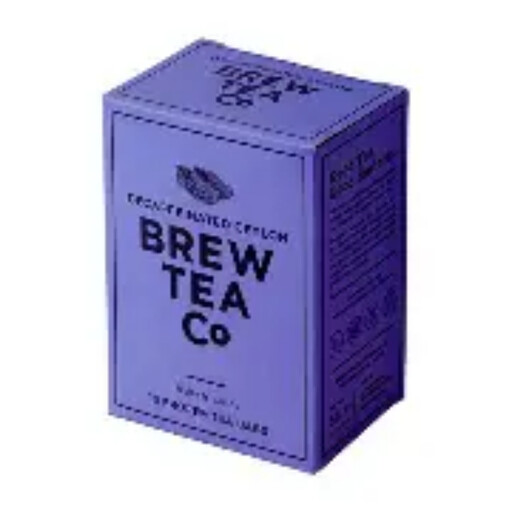
For an evening black-tea cup rather than an infusion, this product is described as CO2-decaffeinated Ceylon black tea in whole-leaf pyramid bags. It contains 40 bags and weighs 200g; decaffeinated does not by itself mean caffeine-free.
 No image available
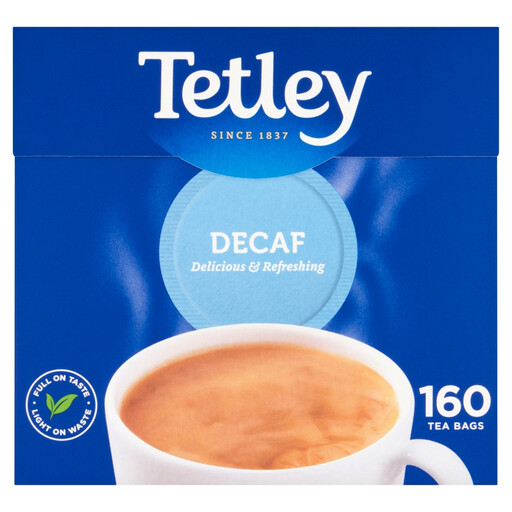
A larger stated pack for a regular decaf black-tea routine, with 160 tea bags weighing 500g. Check the pack if you need a specific residual-caffeine figure or brewing instructions.
 No image available
A plain decaffeinated black-tea option if organic and Fairtrade statements are part of your choice. This listing is for 80 tea bags weighing 277g; check the exact pack for caffeine information if you need it.
 No image available
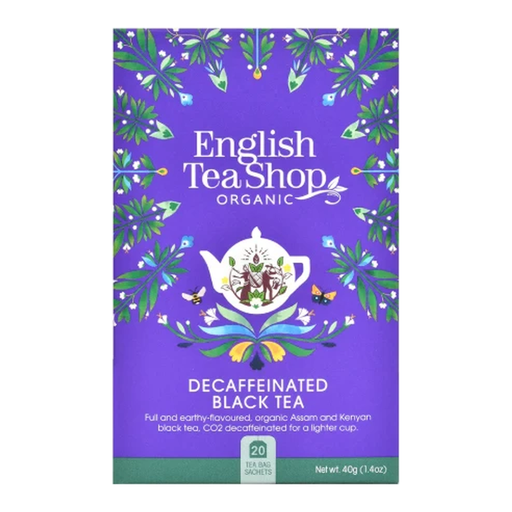
An organic decaffeinated black-tea option in a 20g format. If a precise caffeine amount affects your choice, check what the pack’s stated caffeine value measures before comparing it with another tea.
Not necessarily. Twinings explains that decaffeination removes nearly all the caffeine from tea but can leave minor traces. If avoiding caffeine is the aim, choose an infusion labelled caffeine-free and check its ingredients, including for mate or guarana.
Choose decaf black tea for a conventional tea flavour with reduced caffeine; choose a caffeine-free infusion if avoiding residual tea-leaf caffeine matters more. The European Food Safety Authority notes that a single 100 mg caffeine dose close to bedtime may delay sleep onset and shorten sleep duration in some adults; that finding does not measure the caffeine in a particular cup of decaf tea.
Count decaf tea as a possible source of caffeine rather than assuming it contains none. NHS guidance for pregnancy says to have no more than 200 mg of caffeine a day from all sources, including tea; ask your midwife or clinician about your individual circumstances.
Not always. Yorkshire Tea Bedtime Brew contains decaffeinated black tea with lemon balm, lemongrass, nutmeg and vanilla. If you want a plain cuppa, compare the ingredient list with a plain decaf black tea before choosing.
No: a bedtime label describes how a tea is presented, not a demonstrated sleep effect. Yorkshire Tea describes Bedtime Brew as decaffeinated black tea with added herbs and spices; judge it by its ingredients, flavour and caffeine information rather than treating its name as a promise.